
Plants
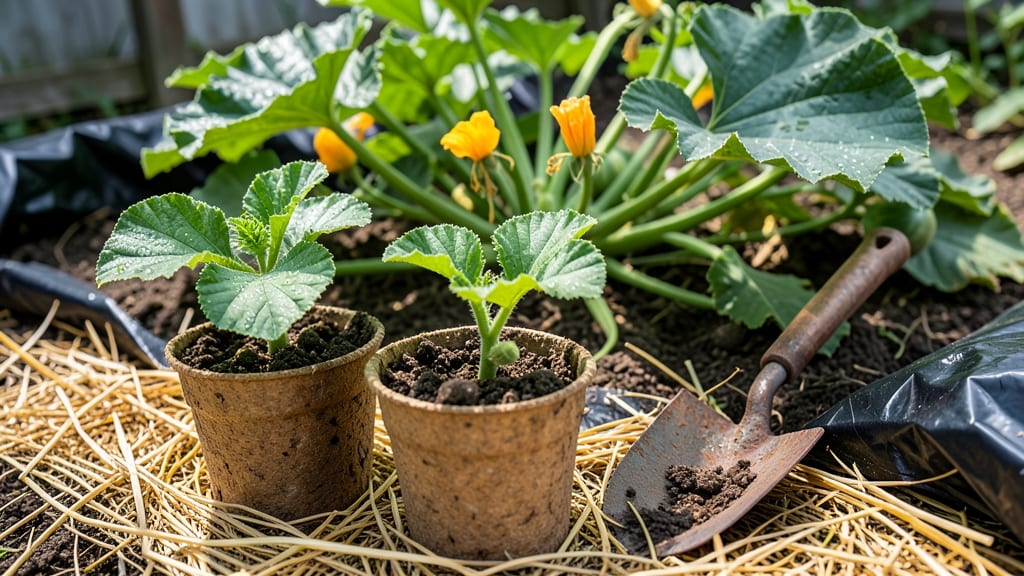
Planting your pumpkins 🎃 at the right time in Pennsylvania isn’t just about following a calendar—it’s about aligning with your hardiness zone, soil warmth, and that first frost date you just can’t predict. Get the timing wrong, and you might end up with wilted vines or underripe fruit before Halloween.
The good news? With the right strategy, you can maximize your harvest window and enjoy homegrown pumpkins that outshine the grocery store every time.
Most Pennsylvania gardeners in zones 5b-7a should aim to plant pumpkin seeds between mid-April and mid-June, but the exact date depends on whether you’re starting indoors or direct-sowing—and whether you’re growing early varieties or waiting for that classic fall harvest.
I’ll break down the best windows for your specific zone, so you can avoid common mistakes like planting too early in cold soil or missing the frost-free date entirely.
Here’s the game-changer: even if spring feels unpredictable, a few simple adjustments—like using row covers or transplanting seedlings—can give your pumpkins the head start they need.
Whether you’re a first-time grower or a seasoned gardener, these tips will help you beat Pennsylvania’s quirks and grow pumpkins that thrive from vine to harvest.
Ready to turn your backyard into a pumpkin patch? Let’s dive into the exact dates, soil prep, and pro tips that’ll set you up for a bigger, healthier harvest—no guesswork required.
Best pumpkin planting dates in Pennsylvania by hardiness zones (2024 guide)
Pennsylvania’s USDA hardiness zones 4a-7b create a challenge for pumpkin growers—plant too early, and frost will kill tender seedlings. Plant too late, and your 90-day varieties won’t mature before first frost. The key is knowing your last frost date and soil temperature requirements (60°F+ for germination).
Most Pennsylvania gardeners aim for mid-April to mid-June planting, but your exact window depends on whether you’re growing direct-sown seeds or transplants. Northern zones (4a-5b) have shorter seasons, while southern zones (6a-7b) can extend planting into early July for late varieties like ‘Mammoth Gold Cube’.
🌱
| Zone | Last Frost Date | Direct Sow Window | Transplant Window | Soil Temp (°F) |
|---|---|---|---|---|
| 4a-5a | May 1-15 | May 15-June 1 | April 15-May 10 | 60-65°F |
| 5b-6a | April 15-May 1 | April 30-May 31 | April 1-May 15 | 60-65°F |
| 6b-7a | April 1-May 15 | April 15-June 15 | March 15-April 30 | 60-68°F |
| 7b | March 15-April 1 | March 30-June 30 | March 1-April 15 | 60-70°F |
For zone 4a-5a gardeners, I recommend focusing on early-maturing varieties like ‘Jack Be Little’ (75 days) or ‘Cinderella’ (80 days). These give you a better chance of harvest before first frost in mid-October.
In zones 6b-7b, you can experiment with longer-season varieties like ‘Howden’ (100 days) or ‘Sugar Pie’ (90 days).
Transplanting is a game-changer for northern zones. Start seeds indoors 4-6 weeks before your last frost date, using biodegradable pots to avoid root disturbance. Harden off seedlings for 7-10 days before transplanting, and choose overcast days to reduce transplant shock.
Soil temperature is non-negotiable—pumpkin seeds won’t germinate below 60°F. Use a soil thermometer to monitor conditions. If your soil is still cool in May, consider black plastic mulch to warm it up 5-10°F faster than bare soil.
I’ve seen this extend the planting window by 2-3 weeks in my zone 5b garden.
Pro tip: In zones 6a-7b, you can make two plantings—one in early April for early varieties and another in early June for late varieties.
This strategy maximizes your harvest window from August through October. Just be sure to space mounds 4-6 feet apart to prevent powdery mildew from spreading.
🎃
If you’re in zone 4a, don’t despair—row covers can extend your season by 2-4 weeks. Install floating row covers immediately after planting to protect seedlings from late frosts.
Remove covers when flowers appear to allow bee pollination. I’ve successfully grown ‘Small Sugar’ pumpkins this way in my zone 4b garden, harvesting in early September.
For all zones, mark your calendar for September 15-October 1 as your harvest window. Use a sharp knife to cut pumpkins from the vine, leaving 3-4 inches of stem attached.
Cure harvested pumpkins in a dry, shady spot at 80-85°F for 10 days to develop their flavor and storage life.
How to adjust planting dates for Pennsylvania’s unpredictable spring weather
Pennsylvania’s spring weather can be as unpredictable as a toddler’s mood—one day it’s 70°F, the next, frost threatens. For pumpkins, which need consistent warmth to germinate, these swings can derail your harvest.
The key is flexibility: knowing when to plant early, when to wait, and how to protect seedlings when Mother Nature throws a curveball. I’ve learned the hard way that rigid planting dates often lead to disappointed gardeners.
Your first line of defense is a 3-step risk assessment. Check your local last frost date (usually mid-April in most of PA), but don’t rely solely on averages. Use a soil thermometer—pumpkin seeds need soil temps of at least 60°F to sprout reliably.
If your soil is still chilly, you’re not ready. Waiting a week or two can mean the difference between a thriving patch and a sad, frozen seedling.
- Use row covers to extend your planting window by 2-3 weeks. Lightweight fabric (like frost cloth) traps heat and protects seedlings from late frosts. Remove covers when flowers appear to prevent pollination issues.
- Start seeds indoors 2-3 weeks before your last frost date. Transplant seedlings when soil is 60°F+ and nighttime temps stay above 50°F. Harden off seedlings for 5-7 days to avoid transplant shock.
- Plant succession crops every 2 weeks until early June. This ensures a staggered harvest if early plantings fail due to unexpected frost or pest pressure. Choose varieties with 75-90 day maturity for fall harvests.
If you’re planting directly in the ground, aim for mid-May in cooler zones (like Zone 5b) and early May in warmer areas (like Zone 7a). But here’s the secret: pumpkins are forgiving if you adjust.
I once planted mine on June 1 in central PA, and with consistent watering and a late start, I still got 10 small but sweet pumpkins by Halloween.
For extra insurance, use black plastic mulch to warm the soil faster. It also suppresses weeds and retains moisture—critical in Pennsylvania’s inconsistent rainfall. Pair this with a drip irrigation system to keep roots consistently moist.
I’ve seen soil temps rise 10°F+ faster with black plastic, giving seedlings a head start in chilly springs.
Don’t forget about transplanting shock. If you’re moving seedlings from pots or indoor starts, water them deeply the day before transplanting. Bury stems slightly deeper than they were in pots—this encourages stronger root growth.
After transplanting, use a shade cloth for the first few days to reduce stress from direct sun.
Finally, monitor your pumpkins for squash vine borers, a common PA pest. If you’re planting late, these pests may have already laid eggs. Use row covers during flowering to prevent egg-laying, or apply neem oil as a preventive measure. A little extra effort now can save your entire crop.