
Flowers
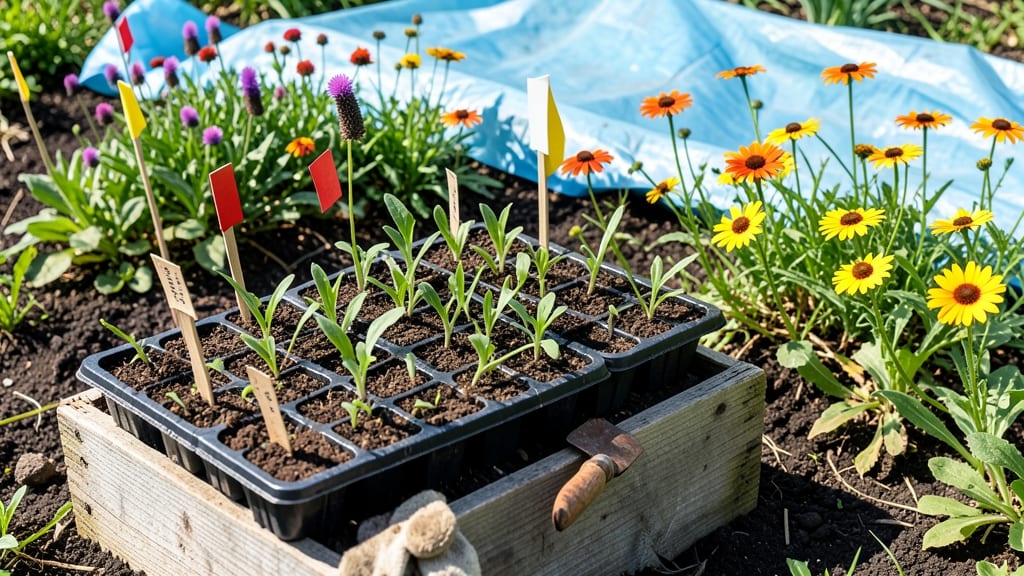
Planting flowers in Colorado isn't as simple as waiting for spring—your elevation could mean the difference between vibrant blooms and frost-killed dreams. From Denver's urban gardens to the high-altitude alpine beds, timing matters more than you might think.
I've spent years watching Colorado gardens transform from frozen ground to lush landscapes, and the key to success isn't just the calendar—it's understanding your specific zone. Whether you're in the Front Range or Western Slope, knowing when to plant can save you from wasted effort and disappointed blooms.
What you'll discover here are the exact windows for your region, from last frost dates to soil prep tips tailored to Colorado's diverse climates. No more guessing games—just proven strategies to help your garden thrive, no matter where you live in the Centennial State.
Let's dive into how to time your planting perfectly, so you can enjoy a garden bursting with color all season long. Your flowers will thank you!
Colorado’s flower planting zones by elevation: last frost dates by region
Colorado’s dramatic elevation shifts—from 3,000 feet on the plains to over 10,000 feet in the mountains—create wildly different planting windows. A marigold in Colorado Springs might thrive in May, while the same plant in Aspen waits until July.
Understanding your last frost date is the first step to avoiding frost-killed blooms and maximizing your flower season.
Most Colorado gardeners work within three broad elevation zones, each with distinct frost patterns. The Lowlands (3,000–5,000 ft)—think Denver and Fort Collins—typically see their last frost around mid-April to early May.
The Foothills (5,000–7,500 ft), like Colorado Springs and Boulder, average late April to mid-May. Meanwhile, high-altitude Mountain zones (7,500+ ft), including Aspen and Leadville, can delay last frosts until June or even July.
| Zone & Location | Elevation Range | Avg. Last Frost Date | Safe Planting Window | Microclimate Notes |
|---|---|---|---|---|
| Lowlands: Denver, Fort Collins, Greeley | 3,000–5,000 ft | Mid-April to early May | Late April–May 15 | Urban heat islands push dates 5–7 days earlier. |
| Foothills: Colorado Springs, Boulder, Golden | 5,000–7,500 ft | Late April to mid-May | May 1–June 1 | South-facing slopes warm 10 days faster than north exposures. |
| Mountains: Aspen, Leadville, Durango | 7,500–10,000+ ft | June 1–July 15 | June 15–July 15 | Alpine zones can have late May frosts even after "safe" dates. |
| Western Slope: Grand Junction, Pagosa Springs | 4,500–7,000 ft | Early April–May 1 | March 20–April 30 | Drier climate means earlier soil warming but watch for windburn. |
Even within these zones, microclimates can shift your timeline by weeks. For example, a south-facing slope in Boulder might warm enough for petunias by May 1, while a north-facing yard in the same city waits until June 1.
Urban areas like Denver experience heat islands that accelerate soil warming, while rural high-altitude spots can linger in frost risk long after official dates.
To refine your timing, use the 50°F soil temperature rule: Most flowers thrive when soil reaches this mark. In Denver, this typically aligns with mid-May, but in Aspen, it can stretch into late June.
For container gardens, which warm faster, you can plant 2–3 weeks earlier than in-ground beds—just protect them with row covers on chilly nights.
Hardy perennials like coneflowers and lavender tolerate cooler soils and can go in as early as April 1 in Lowlands, while tender annuals like geraniums need to wait until after your last frost.
Always check local CoCoRaHS frost reports or your county extension office for year-to-year variations—Colorado’s weather is famously unpredictable.
First-time gardeners often make the mistake of planting tender bulbs like dahlias too soon, only to lose them to late frosts. Instead, start these in containers indoors 6–8 weeks before your last frost, then transplant after Memorial Day.
For high-altitude gardeners, consider cold-hardy varieties like Alpine poppies or Rocky Mountain penstemons, which thrive in cooler conditions.
Pro tip: Mark your calendar with three key dates—your average last frost, a 2-week buffer (for late frosts), and your first frost date in fall. This helps plan both spring and fall plantings.
In Colorado Springs, for example, the first frost often hits by October 15, giving you a 5-month growing window for annuals.
If you’re unsure about your exact zone, use the USDA Plant Hardiness Zone Map (Colorado spans zones 4–7) and cross-reference with elevation data. For instance, zone 5 in Denver (5,280 ft) behaves differently than zone 5 in Fort Collins (5,050 ft) due to local weather patterns.
When in doubt, err on the side of caution—f
Best annual & perennial flowers to plant by Colorado’s planting windows
Colorado’s three distinct elevation zones—Lowlands (3,500–5,500 ft), Foothills (5,500–7,500 ft), and Mountains (7,500+ ft)—dictate wildly different planting windows. In Denver (Zone 5b), you might plant zinnias in May, while Aspen (Zone 4b) gardeners wait until June.
The key? Choosing frost-hardy annuals and perennials that thrive in your microclimate.
For Lowland zones (e.g., Pueblo, Colorado Springs), start cool-season annuals like pansies and snapdragons in early April. High-altitude gardens (e.g., Leadville, Durango) should wait until mid-May for heat-loving zinnias or marigolds to avoid frost damage. Perennials like coneflowers and lavender are safer bets for all zones—they establish roots early and rebound after late frosts.
| Zone/Elevation | Best Annuals | Best Perennials | Planting Window | Cold-Start Tip |
|---|---|---|---|---|
| Lowlands (3,500–5,500 ft) | Marigolds, Zinnias, Petunias | Coneflowers, Black-Eyed Susans | April 15–May 15 | Use row covers for late frosts |
| Foothills (5,500–7,500 ft) | Snapdragons, Pansies, Calendula | Lavender, Russian Sage, Columbine | May 1–May 30 | Start seeds indoors 4–6 weeks early |
| Mountains (7,500+ ft) | Sweet Alyssum, Lobelia, Nasturtiums | Penstemon, Yarrow, Hosta | May 15–June 15 | Choose short-season varieties |
My top 3 frost-hardy annuals for Colorado gardens are marigolds (repel pests), zinnias (long bloom time), and nasturtiums (edible and cold-tolerant). For perennials, coneflowers and lavender are my go-tos—they survive Zone 4 winters and return year after year with minimal care.
In high-altitude zones, opt for dwarf varieties like miniature zinnias or short lavender to avoid wind damage.
If you’re in a high-elevation microclimate (e.g., near Rocky Mountain National Park), extend your season by starting annuals indoors in March. Use grow lights to harden off seedlings before transplanting after May 15.
For perennials, divide clumps in early spring (before buds swell) to rejuvenate plants. This trick works especially well for daylilies and iris, which thrive in Colorado’s dry climates.
Pro tip: Mulch heavily in fall with straw or wood chips to protect perennials from freeze-thaw cycles. In Lowland zones, you can even plant fall-blooming mums as early as July 1 for September–October color.
Just remember—Colorado’s weather is unpredictable, so always have row covers on hand for unexpected late frosts.
For container gardening (common in urban Denver or Colorado Springs), choose compact perennials like dwarf lavender or miniature roses. These thrive in pots and can be moved to protected spots during cold snaps.
Annuals like bacopa or lobelia also work well in containers, giving you flexibility to adjust placement based on microclimate shifts.