
Companion Plants
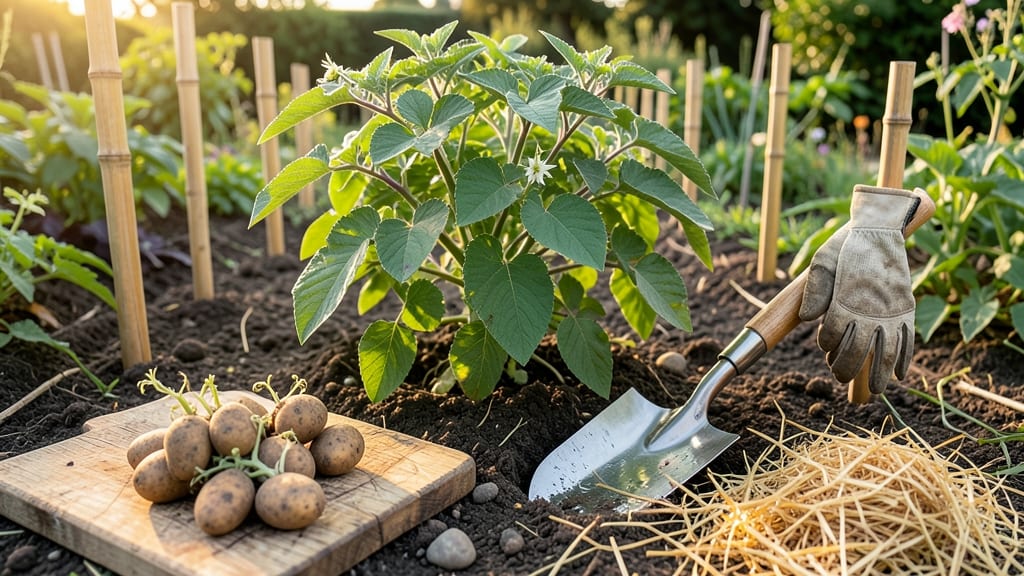
Planting potatoes in Zone 5b at the wrong time can mean the difference between a bountiful harvest and wasted effort—especially when early varieties need precise timing to thrive. The key lies in understanding your zone’s unique chill-hour requirements and frost risks, which often arrive earlier than you might expect.
For gardeners in Zone 5b, the ideal window opens as soon as the soil reaches 45°F—typically in early April—but early varieties like Yukon Gold or Red Pontiac need even more care.
Planting too soon risks frost damage, while waiting too long can delay your harvest. The secret? Chill-hour matching ensures your potatoes wake up just as the ground warms.
Whether you’re starting with seed potatoes or seedlings, timing matters. In this guide, I’ll break down exactly when to plant for maximum yield, how to adjust for late frosts, and which varieties perform best in Zone 5b’s unpredictable spring. Let’s get those 🥔 growing right!
You’ll also discover how container growing can extend your planting window and when to expect your first harvest—because even in Zone 5b, a little strategy goes a long way toward a perfect spud season.
Zone 5b potato planting timeline: chill-hour requirements explained
In Zone 5b, timing your potato planting correctly hinges on chill-hour requirements—typically 350-500 hours below 40°F (4°C). Early varieties like Yukon Gold and Red Pontiac need this cold exposure to break dormancy, while late varieties like Kennebec are more flexible.
Planting too early risks frost damage, but waiting too long cuts harvest time. Let’s break down the ideal window.
Your last frost date in Zone 5b usually falls around April 15, but soil warmth matters more than air temperature. Potatoes thrive when soil reaches 45°F (7°C)—use a soil thermometer to confirm.
For early varieties, aim to plant 2-4 weeks before the last frost, while late varieties can wait until mid-April or later.
Here’s your Zone 5b potato planting timeline, accounting for chill hours, soil warmth, and frost risk:
For early varieties, prioritize planting in late February or March—even if soil feels cold—because they’ve already accumulated enough chill hours. Use black plastic mulch to warm soil faster and reduce frost risk.
If your area experiences unpredictable late frosts, opt for container growing to move pots indoors during cold snaps.
Soil temperature is your true guide, not calendar dates. Test soil depth at 4 inches (where potatoes grow best). If it’s below 45°F (7°C), wait.
Cold soil stunts root growth, leading to smaller tubers. Pro tip: Plant seed potatoes in warm compost for 2 weeks before outdoor planting to jumpstart sprouting.
Zone 5b’s short growing season demands efficiency. Stagger plantings every 2 weeks to extend harvest time. For example, plant Yukon Gold in early March for a June harvest, then add Kennebec in late April for a July-August yield. This staggered approach ensures a continuous supply of fresh potatoes.
Watch for frost warnings after planting. If frost is forecast within 48 hours, cover plants with row fabric or straw mulch.
Young potato plants are delicate, but established foliage (3+ inches tall) can tolerate light frost. Never plant when nighttime temps drop below 32°F (0°C)—even hardened seed potatoes will fail.
Harvest timing varies by variety but aligns with 70–120 days after planting. Early potatoes like Irish Cobbler are ready in 60–70 days, while Russet Burbank takes 90–110 days.
Dig a test tuber when flowers appear—if it’s golf-ball sized and skin is tough, it’s harvest time. Leave late varieties in the ground until foliage yellows completely.
Remember: Zone 5b’s chill hours are your secret weapon. Early varieties thrive with 500+ hours below 40°F (4°C), while late varieties need as few as 150 hours. Match your potato choice to your local chill accumulation data for the best results. Happy planting!
How to adjust planting dates for early vs. late varieties in Zone 5b
In Zone 5b, timing your potato planting is everything—especially when you're juggling early, mid-season, and late varieties. Early potatoes like Irish Cobbler need to hit the ground when soil temps reach 45°F, while late varieties like Fingerling can wait until after the last frost.
The key? Stagger your plantings for a continuous harvest.
I’ve found that starting early varieties 4-6 weeks before the last frost date (around March 15 in Zone 5b) gives them enough chill hours to mature before summer heat sets in. Meanwhile, late varieties planted in late May avoid early blight while still producing tubers before frost arrives in October.
| Variety Type | Planting Window | Soil Temp | Days to Maturity | Harvest Time |
|---|---|---|---|---|
| Early (Irish Cobbler) | March 15-April 1 | 45-50°F | 70-90 days | Early June |
| Mid-Season (Russet Burbank) | April 15-May 1 | 50-55°F | 90-110 days | Mid-July |
| Late (Fingerling) | May 15-June 1 | 55-60°F | 110-120 days | Late August |
For early varieties, I recommend planting seed potatoes in containers indoors 4-6 weeks before the target outdoor date. This gives them a head start and ensures they’re ready to transplant when soil conditions are ideal.
Use lightweight potting mix and keep them in a sunny window until soil warms up.
Mid-season varieties like Russet Burbank thrive when planted 2-3 weeks after the last frost. This timing balances the need for warm soil with avoiding late spring frosts. I’ve had the best luck with these planted in well-drained raised beds, which warm up faster than in-ground soil.
Late varieties, such as Fingerling potatoes, are perfect for succession planting in late May. They handle summer heat better than early types and produce tubers even when days are long. Just be sure to hill soil around stems every 2 weeks to prevent greening and encourage tuber formation.
Pro tip: Use straw mulch around all potato plants to regulate soil temperature and retain moisture. This is especially critical in Zone 5b, where spring temps can swing wildly from day to night. A 3-inch layer of straw keeps roots cool and prevents cracking.