
Companion Plants
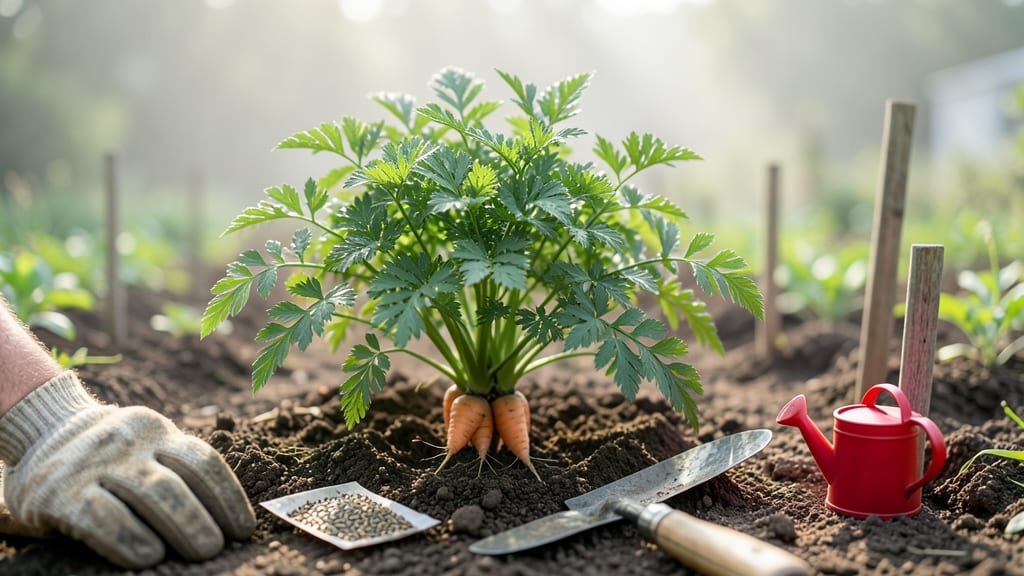
Timing your 🥕 carrot planting in Zone 6 can mean the difference between a bountiful harvest and a disappointing patch of stunted roots. If you plant too early, cold soil will slow germination, while waiting too long risks a shorter growing season before frost.
The key is knowing exactly when to start seeds indoors or directly in the garden for maximum success.
In Zone 6 (General), where last frosts typically arrive around mid-April, your best window for planting carrots begins 4-6 weeks before that date. That means getting seeds in the ground by early March for a spring harvest, or planning a late-summer planting in July for a fall crop.
Understanding these exact weeks gives your carrots the head start they need to develop strong, sweet roots before cooler weather sets in.
You might think container gardening limits your options, but it actually gives you more control over timing. With containers, you can start seeds indoors in late February, then transplant outdoors once soil temperatures reach a consistent 50°F.
This strategy extends your growing season and lets you enjoy fresh carrots even if your outdoor soil is still too cold for direct sowing.
Whether you're a first-time gardener or a seasoned pro, mastering these planting windows ensures you'll have crisp, homegrown carrots from late spring through fall. Let's break down the exact steps to time your planting perfectly for Zone 6's unique climate challenges.
Carrot planting timeline in Zone 6: exact weeks before last frost for best results
Getting your carrot planting timed right in Zone 6 means the difference between sweet, crisp roots and bitter, stunted failures. Since Zone 6 experiences mid-April last frost and mid-October first frost, you have a narrow window to maximize growth before cold sets in.
The key? Planting when soil temperatures hit 50°F (10°C) and counting back from frost dates to ensure full maturity.
For most carrot varieties, you need 70-80 days from seed to harvest. That means your final spring planting must occur 4-5 weeks before your average last frost date.
In Zone 6, that translates to early to mid-April for your last spring batch. Miss this window, and you risk woody roots or immature harvests before winter arrives.
Here’s the critical timeline you need to follow for Zone 6 success, including soil temperature thresholds and frost risk calculations:
| Planting Window | Soil Temp Threshold | Weeks Before Last Frost | Frost Risk | Best Varieties |
|---|---|---|---|---|
| Early Spring (March) | 45-50°F (7-10°C) | 8-10 weeks | Low (cold frames help) | 'Early Nantes', 'Paris Market' |
| Mid-Spring (April) | 50-55°F (10-13°C) | 4-5 weeks | Moderate (use row covers) | 'Danvers Half Long', 'Chantenay' |
| Late Summer (July) | 60-65°F (15-18°C) | 10-12 weeks before first frost | High (extend with mulch) | 'Bolero', 'Solar Yellow' |
| Early Fall (August) | 55-60°F (13-15°C) | 8-10 weeks | Moderate (use cold frames) | 'Nantes', 'Rainbow' |
I always plant my first spring batch in early March under cold frames to jumpstart growth. By the time soil warms to 50°F (10°C), those seeds have already sprouted, giving them a head start.
For fall planting, I stick to late July to ensure roots mature before first frost hits in mid-October.
One common mistake is planting too early when soil is still cold. If you sow seeds in February, they’ll rot in chilly, wet soil. Always check soil temperature with a soil thermometer—carrot seeds need warmth to germinate.
Aim for 50°F (10°C) minimum, and wait until April 1st if your soil is slower to warm.
For container gardening in Zone 6, use deep pots (12+ inches) and plant 2-3 weeks earlier than in-ground beds. Containers warm up faster, but they also dry out quicker, so water consistently.
My balcony carrots in 5-gallon buckets always produce smaller roots, but they’re still sweet and ready for harvest 60 days after planting.
Don’t forget about succession planting! In Zone 6, you can squeeze in 3-4 plantings per season by staggering seeds every 2-3 weeks. Start with early varieties in March, then follow with medium-maturity types in April, and finish with late-season varieties in July.
This ensures a continuous harvest from June through October.
If you’re worried about late-season frosts, protect your fall carrots with row covers or straw mulch. I’ve harvested crisp carrots in November by covering beds with floating row covers once temperatures dip below 40°F (4°C). Just remember to remove covers during the day to prevent overheating.
For best results, always test your soil’s pH (6.0-7.0) and amend with compost before planting. Carrots hate compacted soil, so loosen beds with a broadfork to encourage straight, smooth roots. And if you’re planting in heavy clay, mix in sand or perlite to improve drainage.
Timing your carrot harvest is just as critical as planting. Pull roots when they’re 3/4 to 1 inch in diameter—any larger, and they’ll toughen up. In Zone
How to extend your carrot harvest in Zone 6: succession planting strategies
If you love fresh, homegrown carrots but hate the idea of a short harvest window, succession planting is your secret weapon. In Zone 6, where the growing season stretches from mid-April to mid-October, strategic planting lets you enjoy crisp roots from June through October.
The key is timing—planting new batches every 2-3 weeks ensures a steady supply without overwhelming your garden space.
Carrots thrive in cool weather, so focus on spring and fall plantings while avoiding the heat of summer. Early spring plantings start in March, while late summer sowings begin in July.
Each batch should mature in 60-80 days, giving you overlapping harvests. Pair this with companion planting to deter pests and boost growth naturally.
Here’s how to maximize your harvest with a foolproof succession schedule:
-
1. Start in Early Spring (March 1-15)
Sow seeds 4-6 weeks before last frost (Zone 6: mid-April). Use cold-hardy varieties like 'Early Nantes' or 'Paris Market' for faster growth.
-
2. Plant Every 2-3 Weeks (March-June)
Space batches 2-3 weeks apart until mid-June. Stop planting by July 1 to avoid summer bolting (flowering).
-
3. Late Summer Revival (July 15-August 1)
Sow heat-tolerant varieties like 'Danvers' or 'Chantenay' after soil temps drop below 80°F. This ensures roots grow before first frost (mid-October).
-
4. Companion Planting Boost
Plant carrots with onions, leeks, or rosemary to repel pests. Avoid planting near dill or parsley, which attract carrot flies.
-
5. Adjust for Containers
In pots, plant 2-3 seeds per container (5" deep). Use well-draining mix and water daily to prevent cracking.
Don’t let summer heat derail your plans—choose shorter-day varieties like 'Little Finger' for late-season success. Mulch with straw or grass clippings to retain moisture and regulate soil temperature. With this strategy, you’ll enjoy harvests every 3-4 weeks from June through October, even in Zone 6’s shorter season.
Pro tip: Mark your planting dates on a garden calendar to track progress. If a batch bolts (sends up flowers), pull it immediately—this signals the end of its productive life. By rotating crops and timing plantings, you’ll turn your garden into a year-round carrot factory without extra effort.
🌱