
Plants
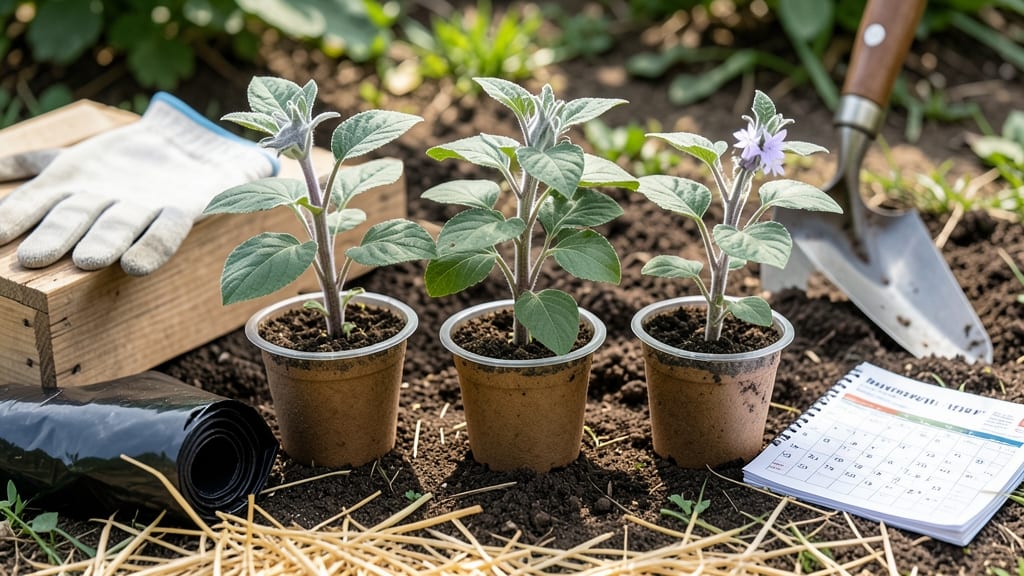
Planting eggplant in Zone 7 at the wrong time means watching your seedlings wilt before they even get a chance to thrive—because these heat-loving plants hate cold soil and frost.
The key to a bountiful harvest lies in waiting until after your last frost date, when soil temperatures hit a steady 70°F+, typically between late April and early June.
I’ve learned the hard way that rushing eggplant 🍆 into the ground too soon leads to stunted growth or worse. But timing it perfectly—just 2-4 weeks before your region’s last frost—gives those tender starts the warmth they crave while still maximizing your growing season.
Let’s break down the exact windows and pro tips to ensure your eggplants take off like a summer rocket.
Zone 7’s climate can be tricky, with some areas (like northern sub-zones) needing a later start than southern pockets. Whether you’re planting in containers or directly in the ground, we’ll cover how to adjust for your specific microclimate.
Ready to turn your garden into a purple paradise? Let’s get those eggplants in the soil the right way.
From heat-resistant varieties to soil prep secrets, you’ll discover how to stretch your harvest from July all the way to October. No more wasted seedlings—just juicy, homegrown eggplants that’ll make your neighbors jealous. Let’s dive in.
Exact weeks before last frost to plant eggplant in Zone 7
Eggplants are heat-lovers, but planting them too early in Zone 7 risks frost damage to tender seedlings. The last frost date in most of Zone 7 falls around March 15, but eggplants need warm soil—at least 60°F (15°C)—to thrive.
This means you should wait 8-12 weeks after your last frost before planting, depending on your specific sub-zone and method.
For in-ground planting, aim to start seeds indoors 8-10 weeks before your last frost date. Transplant seedlings outdoors only after soil temperatures consistently stay above 60°F (15°C). In containers, you can push the timeline slightly earlier by 1-2 weeks since pots warm up faster in sunlight.
Use the USDA Plant Hardiness Zone Map to find your exact last frost date. For example, Zone 7a (average last frost: March 20) allows for earlier planting than Zone 7b (average last frost: April 5). Adjust your planting window accordingly—this difference can mean 2-3 weeks in your schedule.
| Planting Method | Weeks Before Last Frost | Soil Temp Requirement | Transplant Window |
|---|---|---|---|
| In-Ground Seeds | 10-12 weeks | 60°F+ (15°C+) | Late May to early June |
| In-Ground Seedlings | 6-8 weeks | 65°F+ (18°C+) | Early to mid-May |
| Containers (Direct Sow) | 8-10 weeks | 60°F+ (15°C+) | Late April to early May |
| Containers (Seedlings) | 4-6 weeks | 65°F+ (18°C+) | Early May |
If you're growing eggplants in containers, you can start seedlings indoors 4-6 weeks before your last frost date. Containers heat up faster in sunlight, allowing for an earlier transplant. Use black pots to absorb more heat, or place containers on heat mats to warm the soil faster.
For direct sowing outdoors, wait until soil temperatures are consistently above 60°F (15°C). Use a soil thermometer to check—eggplants won’t germinate well in cooler soil. In Zone 7b, this typically means waiting until mid-May, while Zone 7a gardeners should hold off until late May.
To calculate your exact planting window, subtract 8-12 weeks from your last frost date. For example, if your last frost is April 15, start seeds indoors around February 15 for in-ground planting.
If you're using containers, you can start slightly later, around March 1, since they warm up faster.
For late-season harvests, consider using row covers or black plastic mulch to extend the growing season by 2-3 weeks. This helps protect plants from unexpected early fall frosts, which can occur as early as October 15 in Zone 7.
Mulching also keeps soil warm longer, encouraging faster growth.
Always monitor weather forecasts in the weeks leading up to planting. A late frost can wipe out seedlings overnight, so have a backup plan—like row covers or a greenhouse
Remember, eggplants are sensitive to cold, but they also bolt (flower prematurely) in extreme heat. Aim for a balanced growing season with consistent warmth—70-85°F (21-29°C) is ideal. With the right timing, you’ll enjoy a bountiful harvest from July to October.
Best heat-resistant eggplant varieties for Zone 7’s hot summers
Zone 7’s summer heat can turn eggplants into wilting disappointments if you pick the wrong variety. The key is selecting heat-tolerant types that thrive in 90°F+ temperatures while resisting common diseases like powdery mildew.
I’ve grown these varieties myself and can confidently recommend the top 5 that perform best in my Virginia garden.
For small spaces, compact varieties like Fairy Tale save room while still delivering high yields. Larger plants like Black Beauty need more space but produce heavier fruit. Let’s break down the pros and cons of each to help you decide which fits your garden best.
Heat-Resistant Eggplant Varieties Comparison
Fairy Tale
Pros:
- Compact (18" tall)
- Early producer (60 days)
- Disease-resistant
Cons: - Smaller fruit (4-6 oz)
- Needs staking for support
Black Beauty
Pros:
- Classic glossy fruit
- High yield (10+ fruits)
- Heat-tolerant
Cons: - Needs more space
- Prone to cracking in extreme heat
Ichiban
Pros:
- Japanese hybrid (thick skin)
- Drought-tolerant
- Resists pests
Cons: - Longer maturity (85 days)
- Less compact (24" tall)
Rosa Bianca
Pros:
- Striped fruit (unique look)
- Sweet flavor
- Compact (18-24")
Cons: - Lower yield
- Less heat-tolerant than others
Hansel
Pros:
- Dwarf variety (12-18")
- Early producer (55 days)
- Great for containers
Cons: - Small fruit (3-4 oz)
- Needs frequent watering
If you’re short on space, Fairy Tale or Hansel are my top picks—they’re compact but still productive. For larger gardens, Black Beauty delivers the biggest harvests, while Ichiban stands out for its drought resistance during Zone 7’s scorching summers.
My personal favorite is Rosa Bianca—the striped fruit is stunning, and the flavor is sweeter than most varieties. However, it’s not as heat-tolerant, so I only grow it in partial shade during the hottest weeks of July and August.
For container gardening, Hansel is unbeatable. I’ve grown it in 5-gallon pots on my balcony, and it still produced dozens of eggplants over the summer. Just remember to water deeply and fertilize regularly to keep it thriving in limited soil.
No matter which variety you choose, always mulch heavily to retain moisture and prune regularly to improve airflow. These simple steps can double your yield in Zone 7’s intense heat.