
Plants
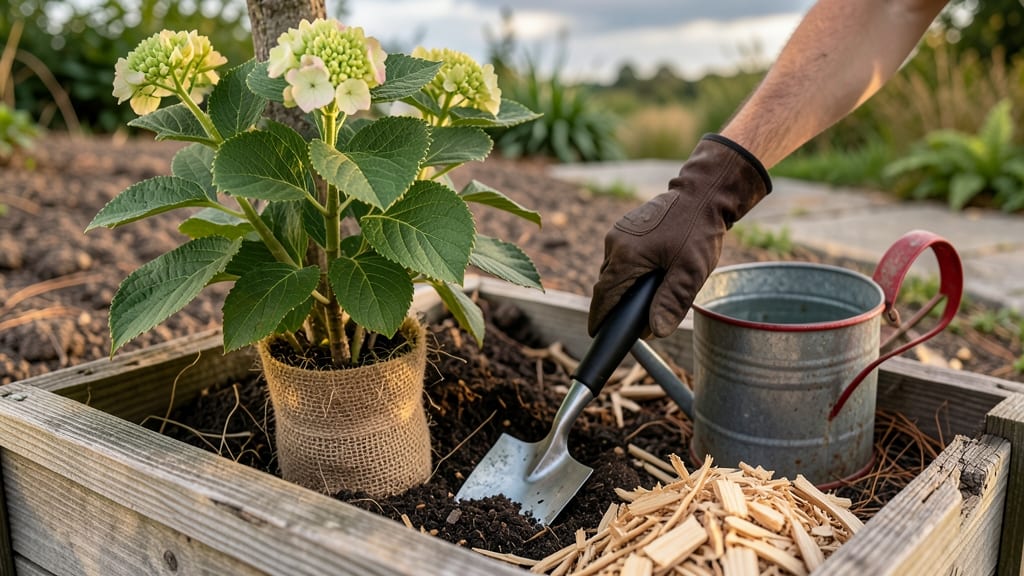
Planting hydrangeas in the ground at the wrong time can mean the difference between a lush, blooming shrub 🌸 and a struggling plant that never quite thrives.
The best window to plant hydrangeas—typically April through May—depends on your climate zone and whether you're starting with bare roots or a container-grown plant.
I’ve learned the hard way that rushing hydrangeas into cold soil or waiting too long can stunt their growth. In USDA Zone 6a, where many gardeners live, timing is everything: too early, and frost will damage delicate roots; too late, and the plant won’t establish before winter.
Let’s break down the exact months for your region and how to prep your soil for success.
Whether you’re a first-time gardener or a seasoned pro, knowing when to plant hydrangeas sets the stage for years of vibrant blooms. You’ll discover how to check soil readiness, avoid common pitfalls, and even transplant established plants without stress. Ready to get those roots in the ground the right way?
The key is understanding your local frost dates and soil temperature—because hydrangeas hate being planted in cold, soggy ground. I’ll walk you through everything you need to know to plant hydrangeas at the perfect moment, so you can enjoy their stunning flowers year after year.
Best planting months for hydrangeas by USDA climate Zone
Planting hydrangeas at the right time ensures they establish strong roots and thrive for years. Timing depends on your USDA climate zone, soil temperature, and whether you're planting bare-root or container-grown shrubs.
In colder zones (3-5), aim for early spring planting, while warmer zones (8-11) can plant year-round with adjustments. Soil temperature should be consistently above 50°F (10°C) for optimal root growth.
Container-grown hydrangeas offer more flexibility than bare-root plants.
They can be planted anytime soil isn't frozen, but spring planting gives them the full growing season to establish. Bare-root hydrangeas, however, need cooler soil temperatures—plant them in early spring or fall when temperatures are mild. Southern states (zones 8-11) can plant hydrangeas in late winter, while Northern states (zones 3-6) should wait until after the last frost.
Soil temperature is your best guide. Use a soil thermometer to check—hydrangeas prefer 55-65°F (13-18°C). If your soil is still cold, delay planting to avoid root shock. Regional adjustments matter too: In Zone 7, you can plant as early as March, while Zone 4 gardeners should wait until May.
Here’s a quick reference for bare-root vs. container-grown planting windows by zone:
| USDA Zone | Bare-Root Planting Window | Container-Grown Planting Window | Ideal Soil Temp | Regional Notes |
|---|---|---|---|---|
| 3-4 | Late April - Early May | April - June | 50-55°F (10-13°C) | Wait until after last frost. Mulch heavily for winter. |
| 5-6 | Early April - Mid-May | March - June | 55-60°F (13-16°C) | Northern states: Plant in spring. Southern states in zone 6 can plant in fall. |
| 7-8 | March - April or Sept-Oct | Year-round (avoid extreme heat) | 60-65°F (16-18°C) | Fall planting works well in mild winters. Water deeply after planting. |
| 9-10 | January - February or Sept-Oct | Year-round (avoid summer heatwaves) | 65-70°F (18-21°C) | Plant in cool months to avoid transplant shock. Mulch to retain moisture. |
| 11 | January - March or Sept-Oct | Year-round (avoid frost) | 65-75°F (18-24°C) | No frost risk—plant anytime. Water consistently in dry climates. |
For Zone 3-5 gardeners, focus on early spring planting. Soil temperature is critical—wait until it warms to 50°F (10°C) or higher.
In Zone 6-7, you have flexibility: Plant in spring or fall, but avoid extreme heat. Southern zones (8-11) can plant almost year-round, but fall planting gives roots time to establish before summer heat.
If you’re planting bare-root hydrangeas, soak roots in water for 1-2 hours before planting. For container-grown plants, water thoroughly the day before transplanting. Amend soil with compost to improve drainage—hydrangeas hate soggy roots. In sandy soil, mix in peat moss; in clay soil, add perlite.
Pro tip: Mulch after planting to retain moisture and regulate soil temperature. Use 3-4 inches of mulch, keeping it 6 inches away from the stem.
This protects roots in hot summers and cold winters. In Zone 4-5, add an extra layer of mulch in late fall to insulate roots.
Adjust your planting timeline based on local weather patterns. If your area has unpredictable frosts, err on the side of planting later. For example, Michigan gardeners (Zone 5) might wait until mid-May, while Texas gardeners (Zone 8) can plant in January.
Always check your last frost date and adjust accordingly.
Container-grown hydrangeas are more forgiving, but spring planting still gives them the best head start. If you plant in late summer or fall, water 2-3 times per week until roots establish. Bare-root plants need immediate watering after planting—soak the soil deeply to eliminate air pockets around roots.
Remember: Hydrangeas are long-lived—planting at the right time ensures decades of vibrant blooms. Follow your zone’s guidelines, monitor soil temperature, and give your hydrangeas the best possible start. With the right timing, you’ll enjoy lush, healthy shrubs for years to come! 🌸
How to tell if your soil is ready for hydrangeas (with warning signs)
Before you rush to plant your hydrangeas, checking your soil conditions is just as important as timing. Cold soil or incorrect moisture levels can shock roots and stunt growth. I’ve learned the hard way—planting too early in chilly Northern climates can leave hydrangeas struggling for months to establish.
Ideal soil temperature for planting hydrangeas is 60°F or higher. In Southern states, this might mean waiting until late spring, while Northern gardeners can often plant in early spring as temperatures warm. The key is balancing warmth with moisture—hydrangeas hate soggy roots but need consistent dampness to thrive.
Here’s the critical red flag: If your soil feels cold to the touch (below 50°F) or is still frozen or waterlogged, delay planting. Hydrangeas planted in unprepared soil are more prone to root rot and poor blooming.
Even if your local nursery says it’s planting season, your microclimate might tell a different story.
⚠️ Warning: Planting Too Soon or Too Late
Northern Climates (Zones 3-6): Wait until after last frost AND soil temps reach 60°F+. Planting in April-May is ideal, but check for frozen ground—never plant in waterlogged soil.
Southern Climates (Zones 7-11): Plant in early spring (Feb-Mar) or fall (Oct-Nov), but avoid summer heat (above 85°F). Drought stress is a bigger risk here than cold.
Action Step: Bury a soil thermometer 4 inches deep for 3 days. If temps average 60°F+, your soil is ready!
Next, test your soil pH. Hydrangeas prefer acidic soil (pH 5.2-6.0) for vibrant blooms. Use a home pH kit or send a sample to your local cooperative extension service. If your soil is too alkaline (pH 7+), amend it with sulfur or peat moss before planting.
I once planted hydrangeas in alkaline soil and ended up with blue flowers instead of pink—the pH was the culprit!
Finally, check moisture levels. Hydrangeas need well-draining but consistently moist soil. Dig a hole and fill it with water—if it drains within 1-2 hours, your soil is ideal. If water pools for hours, amend with compost or sand to improve drainage.
A quick trick: Press your finger into the soil—if it feels damp but not soggy, it’s ready for planting.
For a quick checklist, Northern gardeners should aim for soil temps above 60°F, while Southern gardeners should avoid extreme heat (above 85°F). Always plant when your local frost risk has passed—hydrangeas are tender when young.
With these checks, you’ll give your hydrangeas the best possible start for lush, blooming growth.