
Plants
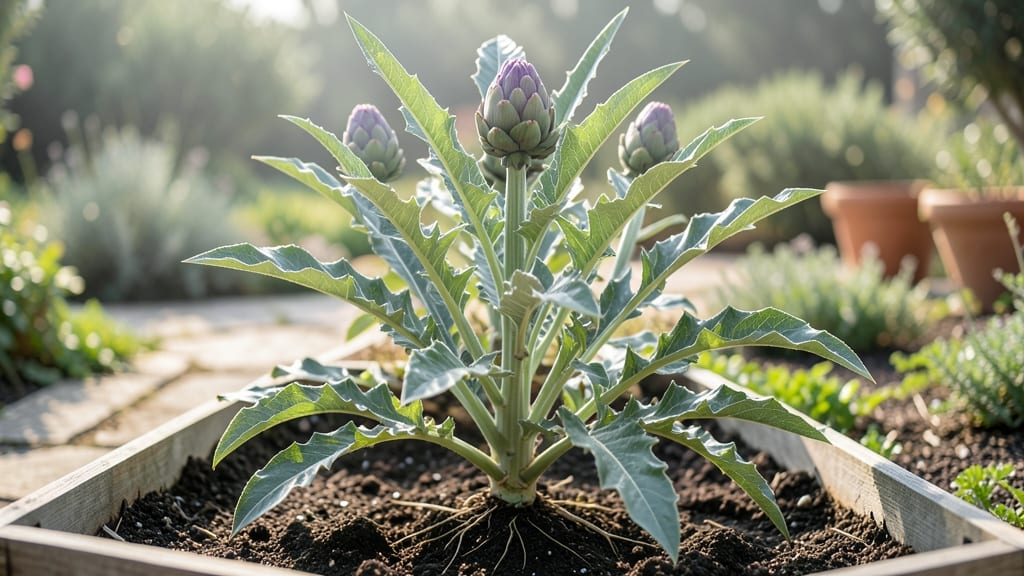
If you’ve ever wondered just how tall an artichoke plant 🌱 can grow, you’re in for a surprise—these Mediterranean plants can shoot up to 6 feet tall, making them a bold statement in any garden.
But before you picture them towering over your patio, here’s the good news: with the right variety and care, you can keep them manageable, even in containers.
The height of your artichoke depends on a few key factors, like the type you’re growing and your local climate. Globe artichokes, the classic variety, tend to reach their full 5-6 foot height in just one season, while dwarf varieties stay compact at 3-4 feet.
Whether you’re working with 6a zone conditions or a sunny balcony, knowing these details helps you plan your space wisely.
What if you’re short on room? No problem—simple tricks like trellising or choosing smaller varieties can transform your artichoke into a space-saving superstar. I’ll show you exactly how to keep these plants in check while still enjoying a bountiful harvest, no matter how limited your garden is.
From planting in April-May to harvesting in July-September, every step matters when it comes to controlling height. Let’s break down the best ways to grow artichokes that fit your space—without sacrificing those delicious, homegrown buds.


Artichoke plant height guide: how tall they grow in different climates
Artichoke plants can grow between 3 to 6 feet tall, depending on the variety and growing conditions. If you're planning your garden layout, knowing these height ranges will help you space plants properly and avoid overcrowding.
The most common types—globe artichokes and French artichokes—have distinct growth patterns that respond to sunlight, soil quality, and climate.
In USDA Zones 7-10, where artichokes thrive, mature plants often reach their full height of 5-6 feet if given ideal conditions. However, in cooler climates like Zone 6, growth may max out at 3-4 feet due to shorter growing seasons.
Understanding these variations ensures you choose the right variety for your region.
Let’s break down the key factors influencing artichoke plant height, including variety differences, sunlight exposure, and soil conditions, so you can optimize your garden for healthy, productive plants.
| Variety | Mature Height | Ideal Climate | Sunlight Needs | Notes |
|---|---|---|---|---|
| Globe Artichoke | 4-6 ft | Zones 7-10 | 6-8+ hours | Tallest variety; needs staking in windy areas |
| French Artichoke | 3-4 ft | Zones 6-9 | 6+ hours | More compact; thrives in cooler climates |
| Green Globe | 5-6 ft | Zones 7-10 | Full sun | Classic variety; needs rich, well-draining soil |
| Purple Globe | 4-5 ft | Zones 6-9 | 6-8 hours | Dwarf variety; great for containers |
| Imperial Star | 5-6 ft | Zones 7-10 | Full sun | Large buds; needs support |
If you’re growing globe artichokes like the Green Globe or Imperial Star, expect plants to reach their full 5-6 foot height in just 2-3 growing seasons. These varieties are perfect for larger gardens but require staking to prevent toppling in windy conditions.
In contrast, French artichokes like Purple Globe stay shorter—ideal for small spaces or container gardening.
Sunlight plays a critical role in height regulation. Artichokes need 6-8+ hours of full sun daily to grow to their full potential. In shady conditions, plants may grow 2-3 feet shorter and produce fewer buds.
If your garden lacks direct sunlight, consider growing dwarf varieties or using reflective surfaces to maximize light exposure.
Soil quality directly impacts growth height too. Artichokes thrive in well-draining, slightly acidic soil (pH 6.0-7.0). If your soil is clay-heavy or nutrient-poor, plants may grow taller but weaker, leading to floppy stems.
Amend your soil with compost or aged manure before planting to ensure sturdy growth and better bud formation.
In cooler climates (Zones 6 and below), artichokes may not reach their full height due to shorter growing seasons. To compensate, start seeds indoors 8-10 weeks before the last frost and transplant seedlings early.
Using black plastic mulch can also extend the growing season by 2-3 weeks, helping plants mature faster.
Pruning can also influence height. Regularly removing side shoots encourages taller, more upright growth, while pinching back the main stem can keep plants shorter. For container-grown artichokes, pruning is especially useful to control height and promote bushier growth, making them ideal for balconies or patios.
If you’re growing artichokes in hot climates (Zones 9-10), expect faster growth but potential stress during peak summer heat. Provide afternoon shade and consistent watering
Space-saving techniques: growing artichokes in containers and small gardens
Growing artichokes in small spaces is absolutely possible with the right approach. While traditional globe artichokes can reach 5-6 feet tall, compact varieties and smart techniques let you enjoy these Mediterranean delights in containers or tight garden beds.
The key is choosing dwarf varieties like 'Green Globe Improved' (3-4 ft) or 'Emerald' (4-5 ft), which stay significantly shorter than their standard counterparts.
For those with limited vertical space, trellising artichokes is a game-changer. By training vines upward, you can reduce ground footprint by up to 70% while still achieving a full harvest. This method works especially well for French artichoke varieties, which naturally produce long, slender stems ideal for climbing structures.
I've had great success using 5-foot bamboo trellises in my backyard, which kept plants contained while maximizing air circulation.
Traditional vs. Space-Efficient Growth
| Factor | Traditional Growth | Space-Efficient Growth |
|---|---|---|
| Height | 5-6 ft | 3-4 ft (dwarf) or 5 ft (trellised) |
| Space Needed | 3-4 sq ft per plant | 1-2 sq ft per plant |
| Yield Impact | Standard (10-15 buds) | Slightly reduced (8-12 buds) |
| Pruning Needs | Minimal | Regular (to control height) |
| Container Suitability | Not recommended | Yes (15+ gallon pots) |
Container gardening opens up possibilities for urban gardeners or those with patios and balconies. I've successfully grown artichokes in 18-gallon fabric pots filled with well-draining soil amended with compost. The secret is using a balanced fertilizer (like 5-10-10) every 4-6 weeks to compensate for limited root space.
Remember to place containers where they'll receive at least 6 hours of sunlight daily—artichokes are sun-hungry plants that won't tolerate shade.
Pruning plays a crucial role in managing artichoke height. For container-grown plants, I recommend pinching back the top growth when stems reach about 2 feet tall. This encourages bushier growth and prevents the plant from becoming leggy.
When trellising, focus on pruning side shoots to direct energy toward the main stem and developing buds. I've found that this method can reduce plant height by 30-40% while actually increasing bud production in the lower canopy.
One technique I've had particular success with is the "two-stem method" for container plants. When your artichoke seedlings develop their first true leaves, gently pinch off all but the two strongest stems. This creates a more compact plant that produces two main harvestable buds per plant rather than one.
The stems will naturally grow upward, making them perfect candidates for trellising if space allows. This method works especially well with French artichoke varieties like 'Violetto' or 'Blanca de Tudela'.
Don't forget about companion planting to maximize your small-space garden. Artichokes pair beautifully with bush beans, lettuce, and onions, all of which thrive in similar conditions but occupy less vertical space.
I've created a micro-garden bed where artichokes grow along one trellis edge while bush beans climb a separate trellis in front, creating a living tapestry that maximizes every inch of space. This arrangement also improves air circulation, reducing the risk of fungal diseases that can plague dense plantings.
With these space-saving techniques, you can enjoy homegrown artichokes even in the smallest of gardens. The key is starting with the right variety, providing proper support structures, and staying consistent with pruning and fertilization.
My smallest artichoke plant this year—a container-grown 'Emerald'—produced 12 perfect buds despite standing just 3.5 feet tall! 🌱🪴