
How To
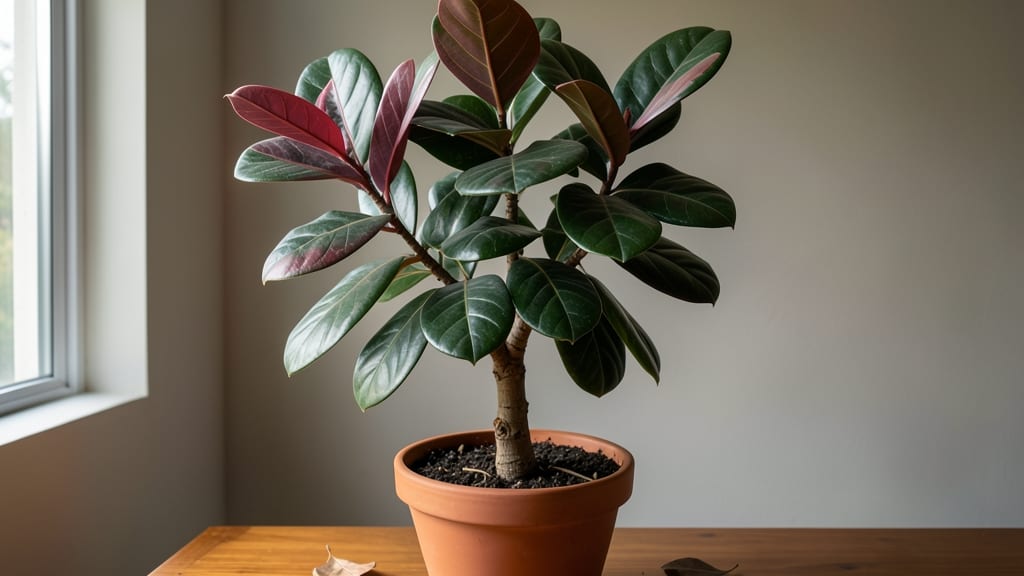
Wondering how tall your rubber plant 🌿 could grow if you gave it the perfect conditions? The answer might surprise you—these tropical beauties can stretch up to 10 feet indoors with the right care, turning your living space into a lush, green statement.
But here’s the catch: their height isn’t just about time—it’s about light, pot size, and even how you prune them. Whether you’re dealing with a leggy plant or hoping to encourage faster growth, understanding these factors is the key to controlling their vertical journey.
In this guide, I’ll break down exactly what influences rubber plant height, from fastest growth rates to common mistakes that stunt them. You’ll also discover simple pruning tricks to keep them at your ideal height—whether that’s a compact tabletop plant or a towering indoor tree.
Ready to turn your rubber plant into the perfect size for your space? Let’s dive into the care secrets that make all the difference.


Natural height limits of rubber plants indoors (with growth factors)
Rubber plants (Ficus elastica) are natural indoor giants, capable of reaching 6 to 10 feet tall indoors with ideal care. Their height varies dramatically based on light exposure, pot size, and pruning habits.
Unlike their outdoor counterparts, which can grow even taller, indoor rubber plants rely entirely on your care to reach their full potential. Understanding these growth factors helps you predict—and control—how quickly your plant will grow vertically.
Most rubber plants start small, growing just 1 to 2 feet in their first year. By year two, they typically reach 3 to 4 feet, and by year three, they can easily surpass 5 feet.
The key difference between 3-foot and 10-foot plants often comes down to a few critical care decisions. Let’s break down how each factor influences their height.
📌 SUMMARY TABLE: Rubber Plant Growth Factors
| Factor | Low Impact | Moderate Impact | High Impact |
|---|---|---|---|
| Light Exposure | Low light (1-2 ft/year) | Medium light (3-4 ft/year) | Bright indirect (5-7 ft/year) |
| Pot Size | Small pot (1-2 ft/year) | Medium pot (3-5 ft/year) | Large pot (6-10 ft/year) |
| Pruning | No pruning (tall and leggy) | Light pruning (3-6 ft) | Heavy pruning (2-4 ft, bushy) |
| Fertilization | None (slow growth) | Seasonal (3-5 ft/year) | Monthly (6-8 ft/year) |
| Variety | Dwarf varieties (3-5 ft) | Standard (6-10 ft) | Variegated (5-8 ft, slower growth) |
Light is the most critical factor in determining how tall your rubber plant grows. Plants in bright indirect light can grow 5 to 7 feet per year, while those in low light may only reach 1 to 2 feet annually.
Position your plant near an east or west-facing window for optimal growth. Avoid harsh direct sunlight, which can scorch the leaves and slow vertical development. If your space lacks natural light, consider supplementing with a grow light for 12-14 hours daily to maintain healthy growth rates.
Pot size directly affects root development, which in turn influences height. Rubber plants in small pots (under 6 inches) grow slowly, often reaching only 1 to 2 feet per year.
Upgrading to a 12-inch or larger pot can double their growth rate, allowing them to reach 6 to 10 feet in just a few years. Always choose pots with drainage holes to prevent root rot, which can stunt growth entirely.
Repotting every 2 to 3 years ensures your plant has enough space to grow vertically.
Pruning is the easiest way to control height, but many gardeners avoid it out of fear. Regular pruning—especially at the top of the plant—encourages bushier growth and prevents leggy stems.
If you want a shorter, fuller rubber plant, prune the top 2 to 3 inches in spring or early summer. The cuttings can be propagated to grow new plants, giving you both height control and free propagation material.
Just avoid heavy pruning in winter, as the plant enters a dormant phase and grows more slowly.
Fertilization plays a surprising role in height. Rubber plants fertilized monthly during growing season (spring and summer) can grow 6 to 8 feet per year, while those without fertilization may only reach 1 to 3 feet annually.
Use a balanced fertilizer (10-10-10) diluted to half-strength to avoid burning the roots. Over-fertilizing can lead to salt buildup in the soil, which stunts growth and damages leaves. Always water your plant thoroughly after fertilizing to flush out excess nutrients.
Not all rubber plants grow at the same rate. Dwarf varieties, like 'Burgundy' or 'Black Magic,' typically max out at 3 to 5 feet, while standard varieties can easily surpass 10 feet.
Variegated types, such as 'White Princess,' often grow slightly slower due to their higher energy demands for leaf coloration. If you’re aiming for a taller plant, choose a standard variety and provide optimal care. For a compact look, opt for dwarf varieties or prune regularly to maintain height.
Temperature and humidity also influence growth rates. Rubber plants thrive in 65°F to 80°F temperatures and benefit from 40% to 60% humidity. In dry indoor environments, growth can slow significantly. To boost height, place a humidifier nearby or mist the leaves regularly.
Avoid cold drafts, which can shock the plant and stunt growth. A consistent environment helps your rubber plant focus its energy
How to control rubber plant height: pruning and training techniques
Want to keep your rubber plant (Ficus elastica) from turning into a towering jungle giant? Pruning and training are your best tools. These techniques don’t just control height—they encourage bushier growth and create stunning shapes.
Whether you prefer a compact shrub or a cascading vine, mastering these methods will transform your plant’s structure while keeping it manageable.
Rubber plants grow quickly, especially with bright indirect light and proper care. Without intervention, they can easily reach 6–10 feet tall indoors. But with strategic pruning, you can redirect energy to lateral branches, creating a fuller, more balanced plant.
The key is timing—prune at the right growth stages and use the right tools for clean cuts that heal quickly.
✂️ Step-by-Step Pruning and Training Guide
- 1. Choose your goal: Decide if you want a bushier plant, a taller specimen, or a trailing vine. This determines your pruning approach.
- 2. Select the right tools: Use sterilized pruning shears for clean cuts or sharp scissors for smaller stems. Avoid tearing the plant.
- 3. Prune in spring or early summer: This is when the plant is actively growing. Avoid pruning in winter dormancy.
- 4. Cut just above a leaf node: Make your cut at a 45-degree angle about 1/4 inch above a leaf node to encourage new growth.
- 5. Propagate cuttings: Place cuttings in water or moist soil to root. This gives you new plants while controlling height.
- 6. Train vines with supports: Use trellises, stakes, or moss poles to guide growth. Tie stems gently with soft plant ties every few inches.
- 7. Fertilize after pruning: Use a balanced fertilizer (10-10-10) to support new growth. Apply every 4–6 weeks during the growing season.
For bushier growth, prune the top 1/3 of the plant to encourage lateral branches. If you want a taller plant, avoid heavy pruning and focus on trimming only the outer leaves.
Training vines is perfect for creating vertical gardens or hanging displays—just guide the stems along a support as they grow.
Remember, rubber plants respond well to pruning and will bounce back quickly with proper care. The key is consistency—prune regularly to maintain your desired shape and enjoy a plant that stays within your space’s limits. With these techniques, you’ll have a healthy, thriving rubber plant that’s both beautiful and manageable.
🌿