
Plants
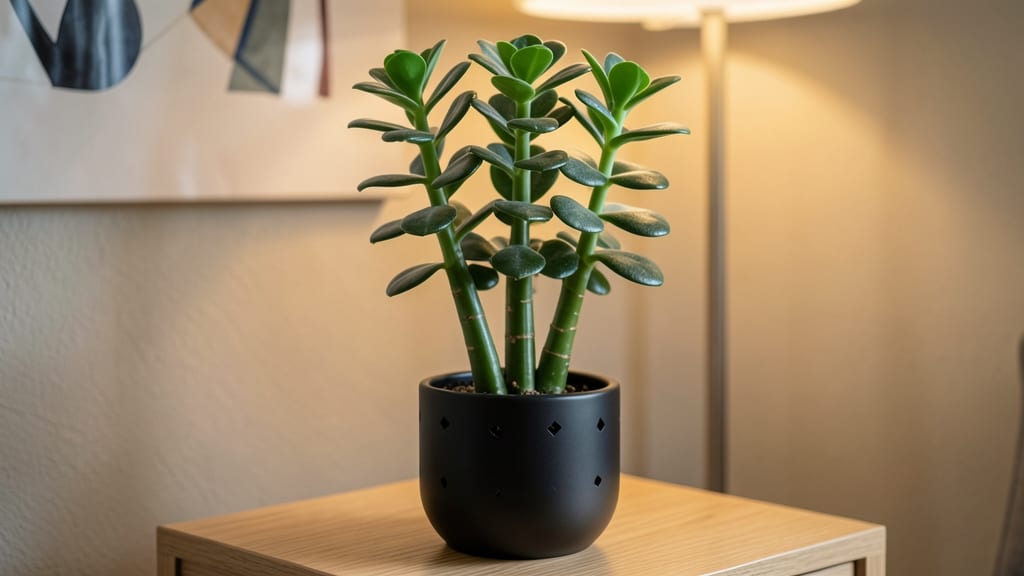
If you’ve ever wondered how tall your ZZ Plant 🌱 might grow before it becomes a ceiling-high jungle, the answer might surprise you. This hardy houseplant typically reaches 2-3 feet indoors—but with the right care, you can keep it compact or let it stretch its leaves toward the light.
The key to controlling its height lies in light exposure, pot size, and pruning. Too much sunlight or a cramped root system can send your ZZ Plant skyward, while proper care keeps it at a manageable size.
Whether you’re working with limited space or just love its glossy foliage, understanding these factors will help you shape its growth.
Let’s break down what influences your ZZ Plant’s height and how to adjust its care for the perfect fit in your home. From repotting tips to pruning tricks, you’ll discover exactly how to keep this low-maintenance plant at your ideal height—without sacrificing its stunning appearance.
Ready to turn your ZZ Plant into a statement piece without the space commitment? Here’s how to make it work for your home’s style and layout.


ZZ plant height limits: how tall can it grow indoors?
If you’ve ever wondered whether your ZZ plant (Zamioculcas zamiifolia) will eventually become a ceiling-high jungle monster, you’re not alone. While these plants are famously low-maintenance, their height growth can vary dramatically based on care.
Under ideal conditions, a mature ZZ plant typically reaches 3 to 4 feet tall indoors—but with optimal light and space, some varieties can stretch up to 6 to 10 feet over time.
The key lies in understanding how light exposure, pot size, and pruning habits influence their vertical growth.
Don’t panic if your plant is already towering over your bookshelf! With the right care, you can control ZZ plant height and keep it at a manageable size.
These plants grow slowly—about 6 to 12 inches per year—but their leafy stems can elongate significantly when given too much space or light. The good news?
A few simple adjustments can keep your ZZ plant at your desired height, whether you prefer a compact desk companion or a statement indoor tree.
Here’s the reality: Most ZZ plants sold in nurseries are 1 to 2 feet tall when purchased, but their growth potential depends entirely on your care routine. Without pruning or repotting, a single stem can grow 2 to 3 feet per year in ideal conditions. That means a 5-year-old ZZ plant could easily reach 10 feet tall if left unchecked—though this is rare in typical home settings.
| Growth Factor | Impact on Height | How to Control It |
|---|---|---|
| Light Exposure | Bright, indirect light = faster growth (up to 2 ft/year) | Place 3-5 ft from windows; avoid direct sun |
| Pot Size | Root-bound = slower growth; large pots = taller stems | Repot every 2-3 years; choose pots 1-2 inches larger than current root ball |
| Pruning Frequency | Regular pruning = bushier, shorter growth | Trim leggy stems in spring/summer; use clean scissors |
| Fertilizer Use | Over-fertilizing = faster but weaker growth | Feed once in spring with diluted fertilizer |
| Watering Habits | Overwatering = slower growth; underwatering = dormancy | Water when top 2 inches dry; avoid soggy soil |
One of the biggest misconceptions about ZZ plant growth is that they’ll inevitably become unmanageable giants. In reality, their height is 100% controllable with proper care.
For example, if you place your plant in a smaller pot (just 1-2 inches larger than its roots), you’ll naturally slow vertical growth while encouraging bushier foliage. This is especially useful for small-space living where ceiling heights are limited.
Light plays a crucial role in determining how tall your ZZ plant will grow. While these plants thrive in low-light conditions, they’ll stretch dramatically toward any available light source—a phenomenon called etiolation. If your plant is growing too leggy, it’s likely reaching for light.
To fix this, simply rotate the pot quarter-turn weekly so all sides receive even exposure. This encourages balanced growth and prevents one-sided elongation.
Pruning is another powerful tool for managing ZZ plant height. Unlike many houseplants, ZZ plants respond well to stem pruning, even if you cut back to the base.
Simply snip off the longest stems in early spring, and your plant will redirect energy into producing new, bushier growth. Pro tip: Propagate the cuttings in water or soil to create baby ZZ plants—it’s a great way to multiply your collection without cost!
If you’re dealing with a tall, leggy ZZ plant that’s already outgrown its space, don’t despair. You can reset its growth pattern by giving it a hard prune in spring. Cut back all stems to 4-6 inches tall, and within a few months, you’ll see compact, fuller growth emerge.
This method works especially well for overwintered plants that have become too tall and sparse.
For those with ceiling-height concerns, consider growing your ZZ plant as a multi-stem bush
5 Proven tips to control ZZ plant growth and keep it compact
Your ZZ plant may reach 3-4 feet tall indoors with proper care, but you can easily manage its size. The key is understanding how light exposure, pruning techniques, and repotting methods influence its growth rate.
With these strategies, you’ll keep your plant at your desired height—whether that’s a compact 18-inch tabletop size or a taller floor statement.
First, let’s address the most common concern: overgrowth. Many gardeners assume ZZ plants grow uncontrollably, but with the right approach, you can slow or even halt its vertical expansion. The secret lies in root-bound management and light manipulation.
For example, placing your plant in a north-facing window (indirect light) instead of bright direct sun can reduce growth by up to 30%.
⚠️ numbered highlights ⚠️
- 🌱 1. Prune at the base – Cut stems 1-2 inches above soil to encourage bushier growth.
- 🪴 2. Repot every 2-3 years – Use a 1-2 inch larger pot to control root spread.
- ☀️ 3. Limit direct sunlight – Indirect light slows vertical growth by 20-30%.
- ✂️ 4. Trim leggy stems – Cut 1/3 of stem length to redirect energy to side shoots.
- 💧 5. Water less in winter – Reduced watering slows growth during dormancy.
Let’s start with pruning techniques, the most effective way to control height. ZZ plants respond well to stem pruning—simply snip off the top 2-3 inches of a stem with clean, sharp pruning shears.
This triggers the plant to produce new side shoots, creating a fuller, bushier appearance. For best results, prune in spring or early summer when the plant is actively growing.
Another game-changer is repotting methods. ZZ plants thrive when slightly root-bound, but if you notice roots circling the pot, it’s time to upgrade the container. Choose a pot that’s only 1-2 inches larger in diameter than the current one.
This small increase prevents rapid growth spurts while still allowing room for expansion. Use a well-draining soil mix with perlite or sand to further control moisture and growth.
Don’t overlook the power of light manipulation. While ZZ plants tolerate low light conditions, they grow faster in bright, indirect light. To keep your plant compact, position it 3-4 feet from a window or use a sheer curtain to diffuse harsh sunlight.
This simple adjustment can reduce height growth by up to 50% over time. For even slower growth, move it to a north-facing window entirely.
Finally, root-bound management is crucial for controlling height. When roots fill the pot, they signal the plant to grow taller. To prevent this, gently loosen roots when repotting and trim any that are circling the pot.
This encourages outward growth instead of upward. Pair this with infrequent watering (every 2-3 weeks) to further slow vertical expansion during cooler months.
With these 5 proven tips, you’ll have a ZZ plant that stays at your ideal height—whether you prefer a small tabletop size or a taller floor statement.
The best part? These methods work for any ZZ plant variety, so you can apply them to your collection with confidence. Happy pruning! ✂️🌿