
How To
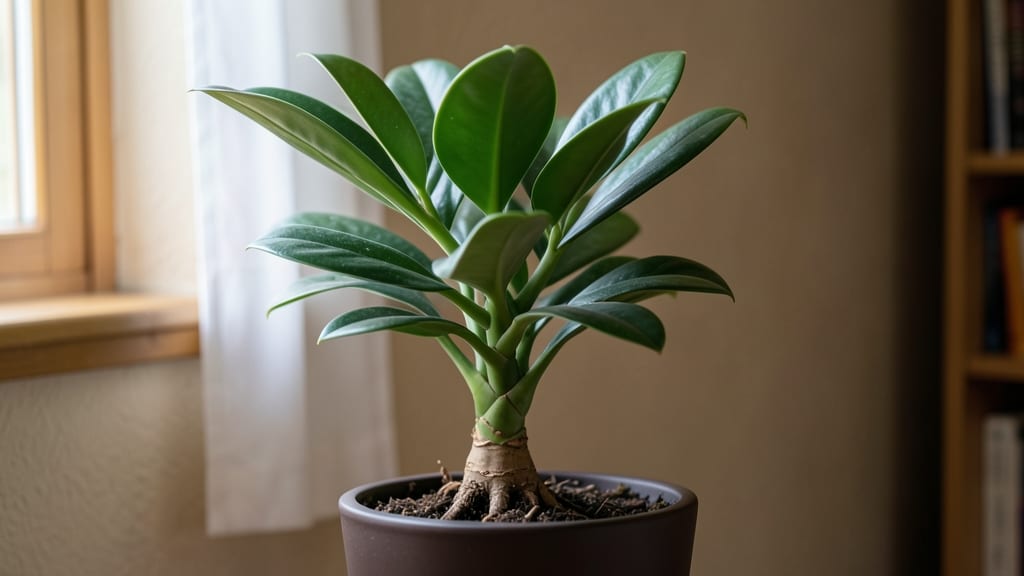
To grow your ZZ Plant 🌱 to its full potential—or keep it compact—you’ll need to know exactly how tall it can get under different conditions.
This hardy houseplant typically reaches 2 to 3 feet indoors, but with the right care (or lack thereof), it can stretch taller or stay smaller for years.
If you’re wondering whether your ZZ Plant will soon tower over your bookshelf or remain a manageable desk buddy, the answer lies in its environment. Light levels, pot size, and pruning habits all play a role in shaping its height—sometimes dramatically.
Let’s break down what to expect based on your setup.
For most gardeners, a ZZ Plant’s growth rate is slow but steady, gaining just 6 to 12 inches per year under ideal conditions. That means a 3-foot plant could take three years to mature—but if you’re in low light or a cramped pot, it might stay shorter.
The key is understanding how to guide its growth, whether you want a floor-filling statement plant or a compact tabletop centerpiece.
Ready to predict your ZZ Plant’s future? We’ll cover height ranges by indoor setup, how to control its size with simple tricks, and even how rare dwarf varieties stay under 1 foot. No guesswork—just science-backed insights to help you grow the perfect ZZ Plant for your space.


ZZ plant height ranges by indoor conditions: what to expect
Your ZZ plant (Zamioculcas zamiifolia) is a slow-growing marvel, but its final height depends heavily on its environment. Under ideal indoor conditions, most mature ZZ plants reach 2-3 feet tall, though some can stretch toward 4 feet with perfect care.
The key factors? Light exposure, pot size, and pruning habits—all of which I’ll break down with exact benchmarks.
If you’re planning your plant’s future placement, think of this as a growth roadmap. A seedling starts tiny—just 4-6 inches tall—but within 2-3 years, it can become a statement piece.
The difference between a compact 1.5-foot plant and a towering 3.5-foot giant often comes down to light intensity and container constraints. Let’s explore how each condition shapes your ZZ plant’s height trajectory.
| Growth Stage | Height Range (ft) | Time to Reach | Key Influencer |
|---|---|---|---|
| Seedling | 0.3–0.5 ft | 0–6 months | Pot size (small containers slow growth) |
| Juvenile | 1–1.5 ft | 1–2 years | Light (bright indirect = faster growth) |
| Mature (Standard) | 2–3 ft | 3–5 years | Pruning (none = vertical growth) |
| Overgrown (Unpruned) | 3.5–4 ft | 5+ years | Large pot + high light |
Notice how the juvenile stage (1–1.5 feet) takes 1–2 years—this is where most ZZ plants plateau if given low-light conditions. But if you place it near a south-facing window (with filtered light), you’ll see 2–3 inches of new growth per month during spring and summer.
The mature height of 2–3 feet is typical for unpruned plants in 10–12 inch pots.
Here’s a pro tip: If your ZZ plant starts leaning toward a window, it’s light-starved. Rotate the pot quarter-turns every 2 weeks to encourage even growth. This simple trick prevents lopsided stems and keeps your plant compact and bushy instead of stretching skyward.
Think of it as growth insurance—your ZZ plant will thank you with thicker foliage and slower vertical expansion.
Pot size plays a huge role in height control. A 6-inch pot will stunt growth to 1–1.5 feet, while a 14-inch pot can push a ZZ plant to 4 feet if left unpruned. The reason? Roots need space to store water and nutrients, which fuels upward growth.
If you’re aiming for a desk-sized plant, keep it in a smaller container and avoid fertilizing heavily. For a floor statement piece, upgrade to a 12-inch pot and place it in bright, indirect light.
Pruning is your secret weapon for managing height. If your ZZ plant reaches 3 feet and you’d prefer it shorter, simply trim the top 2–3 leaves in early spring. This encourages bushier growth from lower stems.
For a radical reset, cut back one-third of the plant—it’ll regrow from the base, often producing multiple stems and a fuller appearance. Just remember: never prune in winter, as the plant needs time to recover before its spring growth spurt.
Humidity levels also sneakily influence height. In dry indoor air (common in winter), ZZ plants grow 10–15% slower because their leaves transpire more water to stay turgid. To counteract this, place a pebble tray with water nearby or mist the leaves weekly.
You’ll notice faster vertical growth once humidity hits 40–50%. This is especially useful if you’re aiming for a taller plant but want to avoid over-potting.
Let’s talk about realistic timelines. A 1-year-old ZZ plant will typically be 12–18 inches tall, while a 3-year-old will hover around 2–2.5 feet. If your plant is older than 5 years and still under 2 feet, it’s likely light-deprived.
Move it to a sunroom or under grow lights (12–14 hours/day) to kickstart growth. Patience is key—ZZ plants are slow growers, but with the right conditions, they’ll reward you with lush, glossy leaves and impressive height.
One common mistake? Assuming all Z
How to control ZZ plant growth: pruning and repotting tips
If your ZZ Plant 🌱 is stretching toward the ceiling like it’s auditioning for a jungle gym, don’t panic—it’s simply responding to its environment. The good news? You can easily control its height with a few simple adjustments.
Start by understanding that ZZ Plants grow taller when they’re root-bound or searching for better light. In urban apartments with limited natural light, this often means reaching for the sky.
The solution? Pruning and repotting at the right times can keep it at your desired height, whether that’s a 2-foot desk buddy or a 3-foot statement plant.
For most indoor gardeners, the key to managing height lies in two practices: pruning leggy stems and repotting into the right-sized container.
A ZZ Plant left in the same pot for years will grow taller as it competes for resources, while repotting into a slightly larger container (just 1-2 inches bigger in diameter) can encourage bushier, slower growth.
Urban dwellers with small spaces should prioritize repotting every 2-3 years to prevent vertical sprawl. Humidity also plays a role—low humidity in apartments can lead to longer internodes (the spaces between leaves), making stems appear leggier. A simple pebble tray or humidifier can help maintain compact growth.
🌱 Pro Tip for Urban Gardeners
A ZZ Plant’s height is directly tied to its pot size. Use a container that’s only 1-2 inches wider than its root ball to slow vertical growth. For a compact 1-foot plant, opt for a smaller pot and prune regularly. In contrast, a larger pot (10+ inches) encourages faster, taller growth—ideal if you want a floor-filling centerpiece.
When it comes to pruning, timing is everything. The best time to trim your ZZ Plant is in the spring or early summer, when it’s entering its active growth phase. Use clean, sharp bypass pruners to snip stems just above a leaf node (where leaves emerge).
This encourages new shoots to grow from that node, creating a fuller, bushier plant. If you’re dealing with a tall, leggy stem, you can also prune it back by one-third to promote branching.
Just avoid heavy pruning in fall or winter, as the plant is dormant and won’t recover as quickly.
Don’t overlook the humidity factor, especially in dry urban apartments. ZZ Plants are drought-tolerant but thrive in 40-50% humidity. If your home is drier, the plant may stretch its stems to access moisture, leading to a taller, less compact appearance.
To combat this, place your ZZ Plant near a humidifier or group it with other plants to create a microclimate. A quick fix? Mist the leaves lightly once a week—just avoid soaking the soil, as ZZ Plants hate soggy roots.
For those who love a bushy, low-growing ZZ Plant, consider pinching back new growth when the plant is young. Simply use your fingers to pinch off the tips of the stems, encouraging the plant to branch out instead of growing tall.
This works best on plants under 2 feet tall and is a great way to shape your ZZ Plant from the start. If you’ve already got a towering ZZ Plant, don’t worry—you can still prune it back and enjoy a fuller, more manageable size in just a few months.
Finally, remember that light levels are the ultimate growth controller. While ZZ Plants tolerate low light, they’ll grow taller and leggier in search of more.
If your plant is stretching toward a window, it’s time to rotate the pot or move it to a brighter spot (but avoid direct sunlight, which can scorch the leaves).
With the right balance of pruning, pot size, and humidity, you can keep your ZZ Plant at the perfect height for your space—whether that’s a compact desk plant or a floor-filling beauty.