
How To
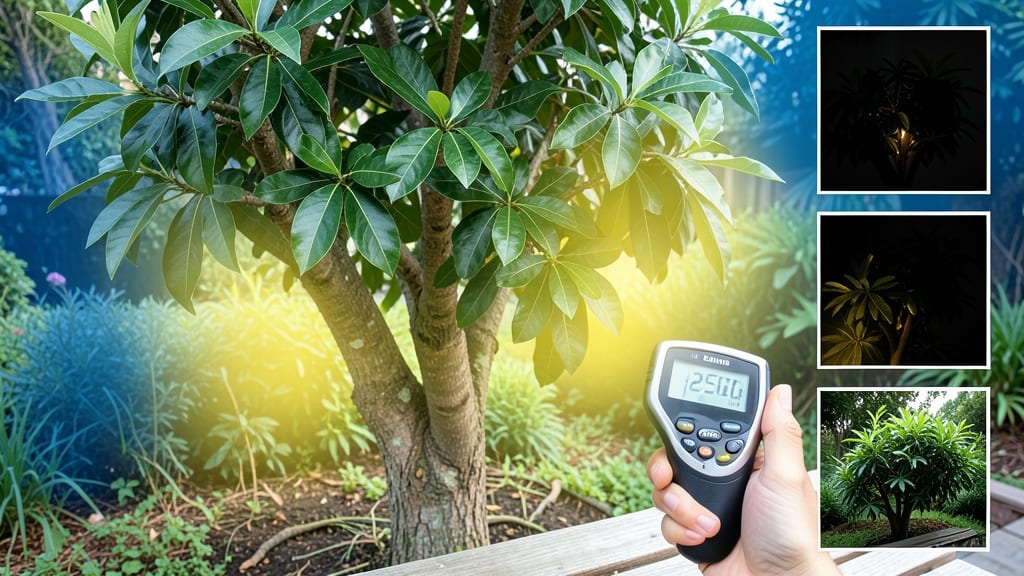
Wondering how much light your 🥑 avocado plant really needs to stay healthy? You’re not alone—this is the #1 question that separates thriving trees from struggling ones. Too little sun, and your plant will stretch weakly toward the window; too much, and those lush leaves can crisp at the edges.
The good news? Getting it right isn’t complicated once you know the ideal balance.
Avocado plants crave bright, indirect light for at least 6 hours daily, but direct midday sun can scorch tender leaves. Whether you’re growing yours indoors by a sunny window or outdoors in your 6a zone, small adjustments make all the difference.
Let’s break down exactly what your plant needs—and how to spot when it’s getting it wrong.
From seedling to mature tree, light requirements shift, and indoor setups need extra care. I’ll show you how to create the perfect light environment, whether you’re dealing with a dim apartment or a greenhouse overflowing with sunshine. Ready to give your avocado the glow-up it deserves?
Skip the guesswork and learn how to adjust light exposure for faster growth, fuller foliage, and even better chances of fruit. By the end, you’ll know exactly how to keep your 🥑 avocado plant thriving—no more yellow leaves or stunted growth!

Optimal sunlight requirements for avocado plants by growth stage
Avocado plants are sun-worshippers, but their light needs change dramatically from seedling to mature tree. As a gardener who’s nursed more avocado plants than I can count, I’ve learned the hard way that too little light stunts growth while too much light can scorch delicate leaves.
The key is understanding how to adjust sunlight exposure at each stage of development—especially when transitioning between indoor and outdoor environments.
For seedlings (first 6-12 months), indirect light is safest. These young plants have tender leaves that can’t handle direct sun yet. Place them near a south-facing window where they’ll receive 4-6 hours of filtered sunlight daily.
If outdoors, provide morning sun only (6 AM–12 PM) and shield them from harsh afternoon rays. I once lost a seedling to sunburn because I moved it too quickly into full sun—don’t make my mistake!
Here’s a quick reference for sunlight needs by growth stage—this will help you avoid common pitfalls like leaf scorch or leggy growth:
| Growth Stage | Sunlight Needs | Indoor Placement | Outdoor Transition |
|---|---|---|---|
| Seedling (0-12 months) | 4-6 hours indirect light | South-facing window, 3-5 ft away | Acclimate to 2 hours morning sun weekly |
| Juvenile (1-3 years) | 6-8 hours direct light | South or west window, no obstruction | Gradually increase to 4-6 hours daily sun |
| Mature (3+ years) | 8+ hours full sun | Grow lights or large greenhouse | Full sun exposure year-round (zones 9-11) |
When transitioning indoor avocado plants to outdoors, I recommend a 2-week acclimation period. Start by placing your plant in a shaded outdoor spot for 1-2 hours daily, then gradually increase exposure. Watch for leaf curling or wilting—these are red flags that your plant isn’t ready for more sun.
For mature trees, afternoon sun (1 PM–5 PM) is actually more beneficial than morning sun because it provides the intense light needed for fruit production.
In tropical climates (zones 9-11), avocado trees thrive outdoors with year-round full sun. However, if you’re in a cooler zone (6-8), protect young trees from frost damage by moving them indoors or using frost cloth during winter.
I’ve seen avocado trees in zone 7 survive winters by wrapping the trunk with burlap and placing them against a south-facing wall for passive solar heating.
One common misconception is that avocado plants need direct midday sun at all stages. While mature trees can handle it, seedlings and young plants will burn within hours of exposure.
Instead, focus on morning sunlight for seedlings and evening sunlight for mature trees in hot climates. This balance prevents heat stress while still providing the photosynthesis boost they need.
If you’re growing avocados indoors year-round, supplement natural light with a full-spectrum LED grow light (12-16 hours daily). Place the light 12-18 inches above the plant and adjust as it grows.
I use a 24W LED bulb on a timer for my indoor avocado, and it’s produced healthier leaves than my window-only plants. Just remember: consistency is key—avocado plants hate erratic light cycles.
For container-grown avocados, rotate the pot quarter-turns weekly to ensure even light exposure. This prevents one-sided growth and keeps your plant balanced. I also recommend using a light-colored container (like terracotta) to reflect extra light onto the leaves.
Dark pots absorb heat and can stress the roots in hot conditions.
Finally, pay attention to your avocado’s leaf color—it’s the best indicator of light needs. Yellowing leaves mean too little light, while brown or crispy edges signal sunburn. If you notice slow growth despite proper watering, it’s time to move your plant to a sunnier spot.
With the right light balance, your avocado will reward you with lush, glossy foliage and—if you’re lucky—even a few avocados!
Signs your avocado plant is getting too much or too little light
Your avocado plant’s leaves tell a story about its light conditions. If the leaves turn yellow or develop brown crispy edges, it’s a cry for help—either too much scorching sun or not enough energy.
I’ve seen avocado seedlings wilt dramatically when moved from shade to harsh afternoon light, so spotting these signs early can save your plant.
Start by checking the leaf color. Healthy avocado leaves stay deep green and glossy. If they’re pale or yellowing, your plant needs more bright indirect light.
On the flip side, white or brown patches on leaves mean sunburn from too much direct light, especially those harsh afternoon rays.
⚠️ callout warning
🌱 Light Crisis Alert!
Avocados need 6+ hours of sunlight daily, but direct midday sun can scorch leaves. Indoor plants near south-facing windows thrive, while outdoor plants need afternoon shade in hot climates. Yellow leaves = too little light; brown patches = too much.
💡 Quick Fix: Rotate your plant weekly for even growth and use sheer curtains to filter harsh light.
Don’t overlook growth patterns. If your avocado plant grows tall and leggy with large spaces between leaves, it’s stretching for light—a classic sign of insufficient sunlight.
Conversely, if new growth looks stunted or deformed, the plant might be stressed from too much heat combined with intense light.
Another red flag? Leaf drop. While some shedding is normal, sudden leaf loss often signals light stress. I once had an avocado plant drop half its leaves after a week of unfiltered afternoon sun—moving it to a shadier spot within 24 hours stopped the damage.
For indoor avocado plants, watch the window placement. A west-facing window can bake leaves, while an east-facing one provides gentler morning light. If your plant is near a window but still struggling, consider a grow light for 12-14 hours daily to supplement natural light.
Adjusting light exposure is easier than you think. Move your plant gradually to avoid shock—1-2 hours more sun per day over a week works best.
And if you’re unsure, test with a light meter (or your phone’s lux app) to check if your space hits the 10,000-15,000 lux range avocados love. 🌿