
Plants
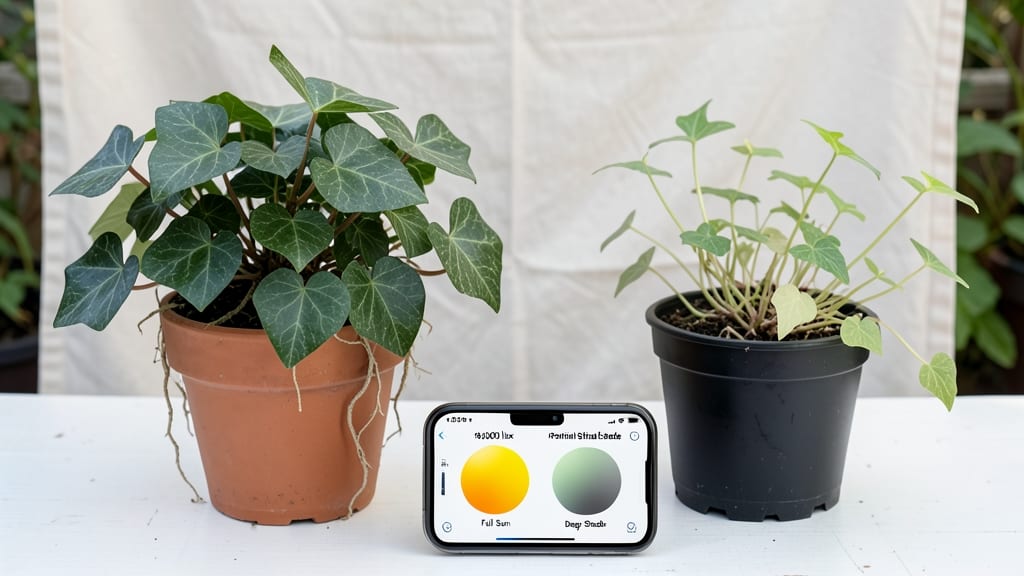
If your ivy plant 🌿 doesn’t get the right amount of light—how much light does an ivy plant need?—it might look tired or leggy, but the fix is simple. Ivy thrives in conditions that many people overlook, making it perfect for spaces with modest natural light.
Most varieties of ivy do best with bright indirect light, but they’re surprisingly adaptable. Too little light leads to weak growth, while too much direct sun can scorch delicate leaves. The key is finding that sweet spot where your plant stays lush and vibrant.
Whether you’re dealing with a low-light apartment or a sun-drenched patio, I’ll show you exactly how to adjust placement for healthy growth. Let’s get your ivy looking its best with minimal effort.
From identifying the perfect spot to troubleshooting common light-related issues, you’ll have all the tools to keep your ivy thriving—no guesswork required.

Understanding ivy light requirements: low to bright indirect light explained
Ivy plants are famously adaptable, but their light requirements can make or break their health. Unlike sun-loving succulents, ivy thrives in low to bright indirect light, making it perfect for shady corners or windowsill spots.
The key lies in understanding how different light levels affect their photosynthesis efficiency and growth patterns.
Ivy's ability to photosynthesize efficiently in low-light conditions comes from its broad leaves and flexible stems. However, pushing it too far into darkness or harsh sunlight can lead to problems like yellowing leaves or stunted growth. Let’s break down how to identify and optimize each light category for your ivy.
🌿 Low Light (100-200 ft-c): This is where ivy truly shines. In offices, bathrooms, or north-facing rooms, your ivy will grow slowly but maintain vibrant green leaves. Photosynthesis slows here, but the plant conserves energy well. Ideal for English ivy varieties that love shade.
🌿 Medium Light (200-500 ft-c): A sweet spot for most ivy types. East or west windows provide this balance, encouraging steady growth without stress. Leaves stay lush, and new vines emerge regularly. This is where Swedish ivy thrives, showing off its variegated patterns.
🌿 Bright Indirect Light (500-1,000 ft-c): Near south-facing windows or under sheer curtains, ivy can handle this intensity if direct rays are filtered. Too much direct sun causes leaf scorch, but bright indirect light boosts growth and color vibrancy.
| Light Level | Foot-Candles (ft-c) | Ivy Growth Impact | Best For |
|---|---|---|---|
| Low Light | 100-200 | Slow growth, dark green leaves | North windows, offices, bathrooms |
| Medium Light | 200-500 | Balanced growth, vibrant foliage | East/west windows, living rooms |
| Bright Indirect | 500-1,000 | Fast growth, risk of leaf burn | South windows with filters, conservatories |
Ivy’s chlorophyll density adjusts to light levels, but extreme conditions stress the plant. In low light, leaves may darken to absorb more light, while bright indirect light triggers faster vine production. The trick is monitoring your ivy’s response—if leaves yellow or stretch, it’s time to adjust placement.
Outdoors, ivy adapts to dappled shade under trees or north-facing walls. Avoid harsh afternoon sun, which can cause leaf bleaching. Even variegated varieties like Swedish ivy need filtered light to maintain their striking patterns.
For indoor growers, artificial grow lights can supplement low light. LED bulbs with a 5,000-6,500K color temperature mimic natural light, encouraging healthy growth. Place lights 6-12 inches above the plant for optimal results.
Seasonal changes also affect light needs. In winter, reduced sunlight means ivy may slow down. Rotate your plant occasionally to ensure even exposure, preventing one-sided growth. A simple rule: if your ivy’s leaves are paler on one side, it’s leaning toward the light source.
Remember, ivy’s flexibility is its superpower. Whether you’re growing English ivy in a dim hallway or Swedish ivy near a sunny window, small adjustments keep it thriving. Start with medium light, observe, and tweak as needed—your ivy will thank you with lush, vibrant growth.
Signs your ivy isn’t getting the right light (and how to fix it)
If your ivy plant is looking less than lush, the culprit might be its light exposure. Ivy thrives in bright indirect light, but too much or too little can cause visible stress.
Watch for yellowing leaves, leggy growth, or browning tips—these are classic red flags your plant needs a lighting adjustment.
I’ve seen ivy plants go from vibrant green to sad and sparse simply because they weren’t in the right spot. The good news? Fixing light issues is often as easy as moving your plant a few feet or adjusting your window treatments.
Let’s diagnose the problem and find the perfect spot for your ivy to flourish.
Ivy plants need 4-6 hours of bright indirect light daily. Here’s how to spot the difference:
- Under-exposure: Pale, yellowing leaves and leggy stems reaching for light.
- Over-exposure: Browning tips, crispy edges, and bleached spots from direct sun.
Most ivy varieties (like English ivy or Swedish ivy) can handle low light, but they’ll grow stronger with moderate to bright indirect light. Avoid harsh afternoon sun, which can scorch delicate foliage.
One of the first signs your ivy isn’t happy is yellowing leaves. If the yellow starts at the bottom and works upward, it’s often a sign of underwatering or low light.
Move your plant closer to a north-facing window or supplement with a grow light for 6-8 hours a day. For indoor ivy, a spot within 3-5 feet of a window usually works best.
On the flip side, browning tips or crispy edges mean your ivy is getting too much direct sunlight. If your plant is near a south-facing window, try moving it a few feet back or using sheer curtains to diffuse the light.
Ivy can tolerate some direct sun, but prolonged exposure will damage its leaves.
Leggy growth is another common issue when ivy stretches toward light sources. This happens when your plant isn’t getting enough light to fuel photosynthesis.
Rotate your ivy quarter-turns weekly to encourage even growth, and consider adding a reflective surface (like a mirror) near the plant to bounce extra light onto its leaves.
Seasonal changes also affect your ivy’s light needs. In winter months, when natural light is scarce, your indoor ivy might need a grow light to prevent stretching. For outdoor ivy, watch for early morning sun in spring, which can be intense—provide shade cloth if needed.
Adjusting your ivy’s location every few months keeps it thriving year-round.
Don’t forget to check the soil! Overwatering stressed plants can worsen light-related issues. Let the top inch of soil dry out between waterings, and always use a pot with drainage holes to prevent root rot.
With the right light and care, your ivy will reward you with vibrant, healthy growth all season long.