
Plants
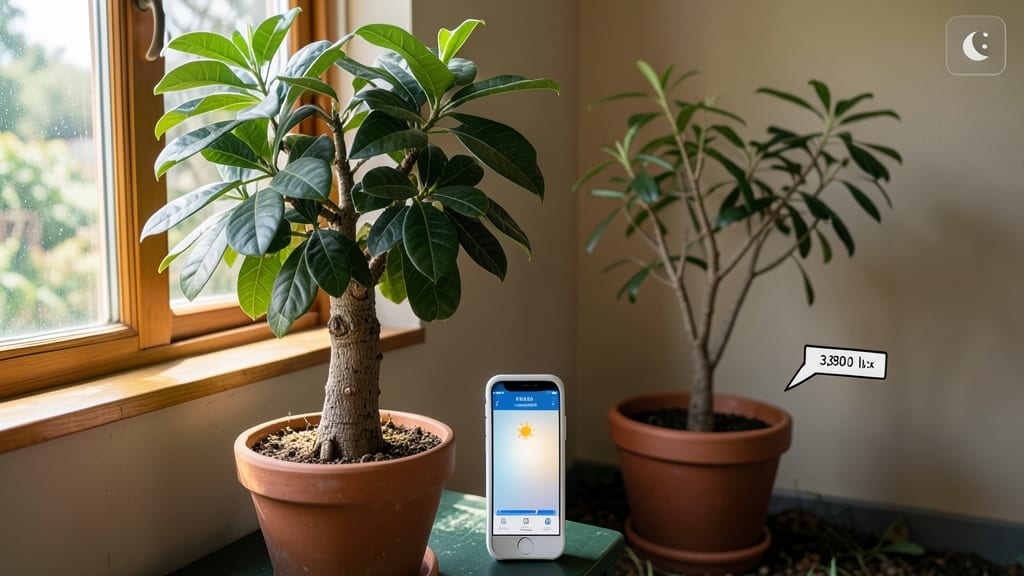
Want to know how much light an avocado plant needs to thrive? The answer lies in its light requirements—getting it right means the difference between lush green leaves and struggling survival mode.
Avocado plants crave bright indirect sunlight, but direct sun can scorch their delicate leaves, while too little light slows growth. I’ve seen firsthand how proper lighting transforms a struggling plant into a healthy, productive tree.
Whether you’re growing yours indoors by a sunny window or outdoors in your garden, understanding the right light balance is key. Let’s break down exactly how much light your avocado needs—and how to adjust if it’s not getting enough.
From signs of light stress to the best window spots, I’ll share everything you need to keep your plant happy and thriving year-round.

Optimal light requirements for avocado plants: bright indirect sunlight explained
Avocado plants thrive in bright indirect sunlight, but their light needs change dramatically from seedling to mature tree. Too much direct sun can scorch leaves, while insufficient light stunts growth and weakens stems.
Understanding these stages helps you create the perfect light environment for your avocado tree—whether indoors or outdoors.
Native to tropical regions, avocados evolved under dappled canopy light, not harsh midday sun. This means they prefer filtered sunlight that mimics their natural habitat.
For container-grown plants, this translates to 4–6 hours of morning sun plus afternoon shade. Outdoors, young trees benefit from partial shade protection during peak summer hours.
| Plant Stage | Daily Light Needs | Ideal Light Source | Direct Sun Tolerance |
|---|---|---|---|
| Seedlings (0–6 months) | 4–6 hours bright indirect | East-facing window or grow light | None (scorches) |
| Young Trees (6 months–3 years) | 6–8 hours indirect + 2–3 hours morning sun | South-facing window with shade cloth | Morning only |
| Mature Trees (3+ years) | 8–10 hours full sun with afternoon shade | Outdoor microclimate (e.g., near trees) | Tolerates 4–6 hours direct if acclimated |
Measuring sunlight intensity is key to avoiding light stress. Use a light meter (or phone app) to confirm your plant receives 10,000–15,000 lux during peak hours. For reference, a south-facing window provides ~25,000–50,000 lux, while overcast days drop to 5,000–10,000 lux.
If your plant’s leaves are pale or stretched, it’s signaling light deficiency.
Indoor growers often struggle with insufficient light during winter months. Supplement with a full-spectrum LED grow light (12–14 hours/day) placed 6–12 inches above the plant. Avoid incandescent bulbs, which emit too much heat and not enough blue light—critical for avocado photosynthesis.
Look for lights with a 10,000K–12,000K color temperature to mimic natural sunlight.
Outdoor avocado trees in hot climates (Zones 9–11) need afternoon shade to prevent leaf burn. Use 50% shade cloth during summer afternoons (1 PM–5 PM). In cooler climates (Zones 7–8), focus on morning sun exposure to harden young leaves.
Prune nearby trees or install lattice screens to filter harsh rays while maintaining bright indirect light.
Watch for leaf curl or yellowing along veins, which indicate direct sun damage. If you notice brown crispy edges, move the plant to a shadier spot immediately. Conversely, dark green but sparse foliage signals light starvation.
Adjust gradually—avocado plants can’t handle sudden light changes, leading to shock or leaf drop. A 2–3 week transition between light environments prevents stress.
For container avocados, east-facing windows are ideal year-round, while west-facing windows work only in spring/fall. South-facing windows require afternoon shade during summer. North-facing windows are too dim for long-term growth—supplement with grow lights if choosing this spot.
Remember, light quality matters more than quantity for avocados. A cool, blue-rich spectrum promotes healthy foliage, while warm, red-heavy light encourages flowering.
Mature avocado trees outdoors can handle more direct sun once established, but their roots need consistent moisture to support leaf expansion. Mulch with organic matter to retain soil moisture and regulate temperature.
In urban settings, pollution can reduce light penetration by up to 30%, so monitor your plant’s response and adjust shade structures accordingly. A healthy avocado tree will show deep green, glossy leaves with minimal yellowing—your reward for nailing the light balance.
🌿 Start with bright indirect light for seedlings, then gradually increase sun exposure as your avocado matures. Whether indoors or out, observation is key: adjust your setup based on leaf color, growth rate, and overall vigor.
With the right light, your avocado plant will thrive—producing lush foliage and (with patience) delicious fruit.
Signs your avocado plant isn’t getting enough (or too much) light
Your avocado plant might be silently screaming for help through its leaves. If the foliage turns yellowish-green or pale, it’s likely starving for bright indirect sunlight. This common issue slows growth and weakens stems, leaving your plant vulnerable to pests.
On the flip side, crispy brown edges or bleached leaves signal sunburn from too much direct exposure. Both extremes stress the plant, so let’s decode these visual clues.
First, check the leaf placement. Healthy avocado leaves grow outward, not crowded inward. If they’re stretched toward the light source (a condition called etiolation), your plant is desperate for more brightness.
Young seedlings need 12–14 hours of light daily, while mature plants thrive with 6–8 hours of filtered sunlight. Without enough light, your plant’s energy shifts from growth to survival, stunting its potential.
Light Needs for Avocado Plants
✅ Too Little Light
- Pale yellow leaves (chlorosis)
- Slow growth or leggy stems
- Small, sparse foliage
- Weak stems prone to breaking
⚠️ Too Much Light
- Brown leaf tips or crispy edges
- Bleached or white patches
- Curling or wilting leaves
- Sunburn scars (dry, papery areas)
💡 Ideal Solution
Place near a south-facing window with sheer curtains to filter UV rays. For indoors, use a grow light 6–12 inches away for 10–12 hours/day. Outdoors, provide afternoon shade during peak sun hours.
Indoors, the west-facing window is your best bet—it provides gentle afternoon light without the harsh midday sun. If your avocado sits near an east-facing window, supplement with a LED grow light for 4–6 hours daily.
Pro tip: Rotate the pot quarter-turns weekly to ensure even growth. Uneven light exposure causes lopsided plants, where one side stretches while the other stays compact.
Outdoors, avocados love partial shade during summer afternoons (1–3 PM). Use a 50% shade cloth to mimic their natural understory habitat. Prune lower branches to improve airflow and light penetration to the inner canopy.
Avoid placing your plant in full sun without acclimation—gradually increase exposure over 2–3 weeks to prevent shock.
If your avocado’s leaves develop black spots or moldy patches, it’s likely a combo of overwatering + poor light. Trim affected leaves with sterilized scissors and move the plant to a brighter, drier spot.
Pair this with well-draining soil to prevent root rot. Remember, avocados are tropical trees—they crave consistent humidity (40–60%) and bright, diffused light.
Start with these adjustments, and you’ll see new dark green leaves within 4–6 weeks. Monitor your plant’s response and tweak the light exposure gradually. With the right balance, your avocado will reward you with lush growth and maybe even fruit! 🌱