
How To
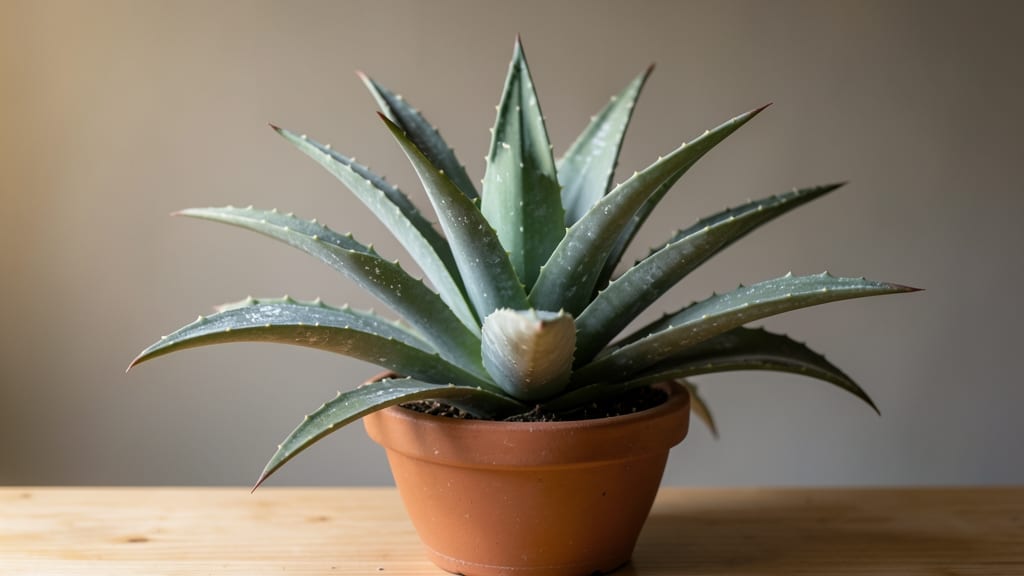
Want to know how much light does an aloe plant need to grow thick, vibrant leaves instead of stretching weak and leggy? The answer lies in how much light it gets—and most people get this wrong, even with good intentions.
Too little light and your aloe becomes a sad, pale shadow of its potential. Too much direct sun and you'll end up with crispy brown edges. Finding that perfect balance is easier than you think, and I'll show you exactly how to get it right for your specific growing conditions.
Whether you're dealing with a sunny windowsill or shady corner, I'll break down the science behind aloe's light needs and give you practical tips to adjust your plant's environment.
You'll learn how to spot the signs of light stress before it's too late, and discover simple solutions that work for both indoor and outdoor setups.
By the end, you'll have all the tools to create the ideal lighting situation for your aloe—no more guessing games or struggling plants. Let's get your succulent thriving with the perfect amount of bright, indirect sunlight it craves.

Optimal light requirements for aloe vera growth: bright indirect sunlight explained
Aloe vera thrives under bright indirect sunlight, making it the perfect indoor plant for sunrooms or south-facing windows. Unlike many succulents, aloe vera can tolerate direct morning sun but needs protection from harsh afternoon rays that can scorch its leaves.
Understanding the light spectrum and photosynthesis efficiency helps maximize growth and prevent common light-related issues.
The ideal light conditions for aloe vera mimic its natural desert habitat, where sunlight is intense but filtered by sand. This means providing 6 to 8 hours of light daily, with a mix of direct and diffused sunlight.
Too little light leads to leggy growth, while too much can cause sunburned patches on the leaves. Balancing these factors is key to keeping your aloe healthy and vibrant.
| Light Requirement | Specification | Notes |
|---|---|---|
| Daily Light Duration | 6-8 hours | Morning sun preferred; avoid harsh afternoon rays |
| Light Intensity | Bright indirect | 70-90% sunlight exposure (partial shade acceptable) |
| Best Window Placement | South-facing | East or west windows work too, but may need supplemental light |
| Artificial Light Alternative | 12+ hours LED grow light | Full-spectrum bulbs mimic natural sunlight for indoor growth |
| Seasonal Adjustments | Rotate plant every 2-3 weeks | Ensures even light exposure and prevents lopsided growth |
Aloe vera plants are photosynthesis powerhouses, efficiently converting light into energy, especially in the blue and red light spectrums. These wavelengths (400-500nm and 600-700nm) are critical for chlorophyll production, which gives aloe its vibrant green color.
When light is insufficient, chlorophyll production drops, leading to pale or yellowing leaves—a classic sign your plant needs more light.
For indoor cultivation, place your aloe near a window where it receives at least 6 hours of sunlight daily. South-facing windows are ideal because they provide consistent light throughout the day.
If natural light is limited, supplement with a full-spectrum LED grow light placed 6-12 inches above the plant. These lights should run for 12-14 hours per day to mimic a full sun cycle.
Outdoor aloe vera plants benefit from morning sunlight exposure, which is less intense than afternoon sun. If you're growing aloe in a container garden, move it to a shaded area during peak afternoon hours (12 PM to 4 PM) to prevent sunburn.
This gradual acclimation helps the plant adjust to varying light intensities without stress.
One common mistake is assuming all sunlight is beneficial. While aloe vera loves light, direct afternoon sun can cause leaf bleaching or crispy edges, especially in hot climates.
To test if your aloe is getting the right light, observe its leaves: deep green and thick means it's happy, while pale or stretched leaves indicate insufficient light.
Different aloe species have slight variations in light needs. For example, Aloe vera and Aloe aristata thrive in bright indirect light, while Aloe brevifolia can tolerate slightly more shade. Always check the specific care requirements for your aloe variety, as some may need more direct sunlight than others.
Rotating your plant every few weeks ensures all sides receive equal light exposure.
In cooler months, when daylight hours decrease, consider using a grow light timer to maintain consistent light exposure. Aloe vera enters a dormant phase in winter, but providing supplemental light can encourage steady growth.
Aim for 8-10 hours of light daily during shorter winter days to keep your aloe thriving year-round.
Remember, the key to optimal aloe vera growth is balance. Too little light leads to weak, leggy plants, while too much causes stress and damage.
By monitoring your plant's response and adjusting its environment, you'll create the perfect conditions for a healthy, vibrant aloe vera that continues to thrive for years. 🌱
Signs your aloe plant isn’t getting enough (or too much) light
Aloe vera thrives in bright indirect sunlight, but too little or too much light can send warning signals. If your plant is showing pale yellow leaves or stretching unnaturally, it’s begging for better lighting conditions.
These visual cues help diagnose whether your aloe needs more sun or protection from harsh rays.
When aloe plants lack sufficient light, they develop long, thin stems and leaves that stretch toward light sources—a condition called etiolation. This weakens the plant and makes it more susceptible to pests.
On the flip side, brown patches or crispy edges on leaves indicate sunburn from excessive direct sunlight, especially during peak afternoon hours.
🌱
⚠️ Light Stress Warning
Aloe plants need 6+ hours of bright light daily. Too little causes leggy growth, while too much leads to sunburned leaves. Adjust placement gradually—move plants closer to a window for more light or add sheer curtains for protection.
Start by observing your aloe’s leaf color and texture. Healthy aloe leaves are thick, vibrant green, and upright. If you notice red or purple hues, it’s a sign of low light stress, while white or translucent patches mean the plant is getting too much direct sun.
Both conditions require immediate adjustments to prevent permanent damage.
For indoor aloe plants, place them near south-facing windows where they can receive filtered sunlight for most of the day. If your plant is near a west-facing window, watch for afternoon sun exposure, which can be intense.
Rotate the pot every few weeks to ensure even growth and prevent leaning.
Outdoor aloe plants also need monitoring. In hot climates, provide afternoon shade during summer months to avoid leaf scorch. Mulch around the base with pebbles or gravel to reflect excess heat and improve drainage, which helps prevent root rot from overwatering stressed plants.
Use this quick light diagnostic checklist to troubleshoot: Are leaves stretched or pale? Move to brighter light. Are leaves crispy or brown? Reduce direct sun exposure. Adjust gradually—aloe plants adapt best to slow changes in lighting conditions.
☀️