
Plants
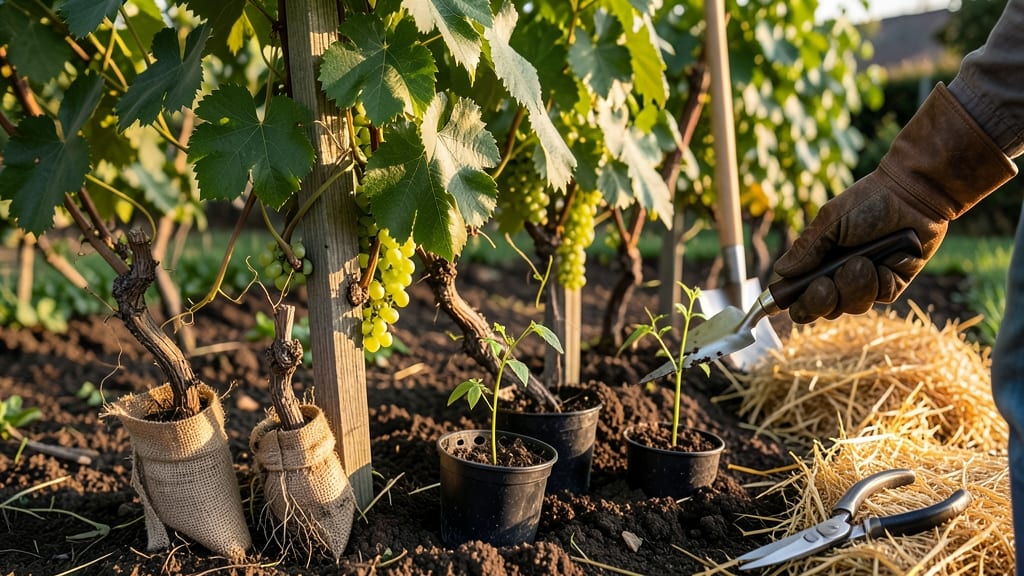
Planting grapes in Kentucky at the wrong time can mean the difference between a thriving vineyard and a frost-killed disappointment—so getting your timing right is everything. The 6a-7a climate zones here demand precision, especially with varieties like Norton that need 600-900 chill hours to set fruit properly.
Most Kentucky gardeners swear by late winter to early spring planting (February through April) when the soil is workable but before buds break.
This window ensures your 🍇 vines establish roots before the heat of summer, giving them the best shot at surviving Kentucky’s unpredictable swings from freezing nights to 90-degree days.
But here’s the catch: fall planting can work if you time it perfectly—just 6-8 weeks before the first frost (usually by mid-October). The key is preparing the soil right, choosing cold-hardy rootstock, and protecting young vines with mulch or frost cloth once temperatures dip.
I’ll walk you through the exact steps to match your grape variety to Kentucky’s microclimates, whether you’re planting in spring or fall. Let’s make sure your vines get off to the strongest start possible.
Best planting months for grapes in Kentucky based on chill hours
Kentucky’s chill-hour zones (ranging from 400 to 1,200 hours) play a critical role in determining the best time to plant grapes. These hours measure the number of hours below 45°F your vines need to enter dormancy and produce fruit successfully.
Choosing the wrong window can stunt growth or even kill your plants before they bear fruit.
Most Kentucky gardeners opt for spring planting (March–April) when soil temperatures rise above 50°F, but fall planting (September–October) can also work if done carefully. The key is matching your grape variety’s chill-hour needs with your local climate to ensure strong root establishment before winter.
For example, Norton grapes (Kentucky’s state grape) thrive with 500–800 chill hours and are best planted in early spring to take full advantage of Kentucky’s long growing season. Meanwhile, Concord grapes, which require 800–1,200 chill hours, can handle fall planting in milder microclimates like the Bluegrass region.
Here’s a quick comparison of planting windows based on chill-hour zones and grape varieties:
| Grape Variety | Chill Hours Needed | Best Planting Window | Kentucky Region | Key Consideration |
|---|---|---|---|---|
| Norton | 500–800 | March–April | Bluegrass, Pennyrile | Fast root growth in warm soil |
| Concord | 800–1,200 | September–October | Cumberland Plateau | Plant 6–8 weeks before first frost |
| Cabernet Franc | 600–900 | March–April or September | All regions | Avoid late fall planting in colder zones |
| Chambourcin | 400–700 | April–May | Western KY (warmer microclimates) | Low chill needs; plant after last frost |
Spring planting is ideal for most cold-hardy varieties because the soil warms quickly, allowing roots to establish before summer heat sets in. Aim to plant 2–4 weeks after your last frost date (typically mid-March in most of Kentucky) when soil temperatures reach 55°F at a depth of 6 inches.
If you choose fall planting, time it so roots have 4–6 weeks to establish before winter. In Kentucky, this usually means planting by early October in the north and mid-October in the south. Use mulch (4–6 inches) to insulate roots and prevent freeze damage during winter.
One common mistake is planting too early in spring when soil is still cold or too late in fall when frost is imminent. Test soil temperature with a thermometer before planting—grapes won’t thrive in cold, wet soil.
If your soil is slow to warm, consider using black plastic mulch to speed up heating.
For container-grown grapes, adjust your timeline slightly. Containers warm up faster in spring, so you can plant 1–2 weeks earlier than in-ground vines. However, containers also freeze more easily in fall, so avoid planting after mid-September unless you use insulated grow bags or move pots to a sheltered location.
Regardless of when you plant, always choose dormant bare-root vines for the best success. These vines have minimal water needs initially and establish roots more quickly than potted varieties. Once planted, water deeply once a week for the first month to encourage root growth without over-saturating the soil.
Pro tip: Mark your planting dates on a calendar and note the first frost date for your specific county. Kentucky’s frost dates vary by 1–2 weeks across regions, so local data is critical. Use the Kentucky Climate Center or Almanac for precise frost predictions each year.
How to match grape varieties to Kentucky’s microclimates for success
Kentucky’s diverse climate creates distinct microclimates—from the humid Bluegrass Region to the cooler Cumberland Plateau—each requiring specific grape varieties to thrive. Choosing the right variety ensures cold hardiness and optimal fruit production. Let’s match your location to the perfect chill-hour requirements for success.
Understanding your USDA Zone (typically 6a-7a in Kentucky) helps narrow down options. For example, Norton grapes excel in 400-800 chill hours, while Cabernet Franc thrives in 800-1,200 chill hours. Each region’s unique frost patterns also play a role in selecting the best cold-resistant varieties.
| Region | Chill Hours | Best Varieties | Notes |
|---|---|---|---|
| Bluegrass Region | 600-900 | Norton, Concord, Catawba | Humid summers; needs disease-resistant varieties |
| Pennyrile Plateau | 800-1,100 | Cabernet Franc, Chardonnay, Traminette | Warmer days; drought-tolerant varieties preferred |
| Cumberland Plateau | 400-700 | Norton, Niagara, Valvin Muscat | Cooler nights; early-ripening varieties ideal |
For the Bluegrass Region, where summers are warm and humid, Norton grapes are a standout choice. This native variety handles disease pressure well and produces rich, flavorful fruit. Plant in early spring (March-April) after the last frost to give roots time to establish before summer heat arrives.
In the Pennyrile Plateau, where drought stress is a concern, Cabernet Franc and Traminette varieties shine. These grapes thrive with moderate watering and well-draining soil. Fall planting (September-October) works well here, allowing roots to settle before winter dormancy.
On the Cumberland Plateau, cooler temperatures favor early-ripening varieties like Niagara or Valvin Muscat. These grapes mature quickly and avoid fall frost damage. Plant in late winter (February) to ensure vines have 6-8 weeks of growth before summer’s peak.
Always check your local chill-hour data before selecting varieties. For example, Lexington (Bluegrass) averages 800 chill hours, while London (Pennyrile) sees 1,000+ hours. Adjusting for your specific location ensures your grapes bear fruit reliably year after year.