
Plants
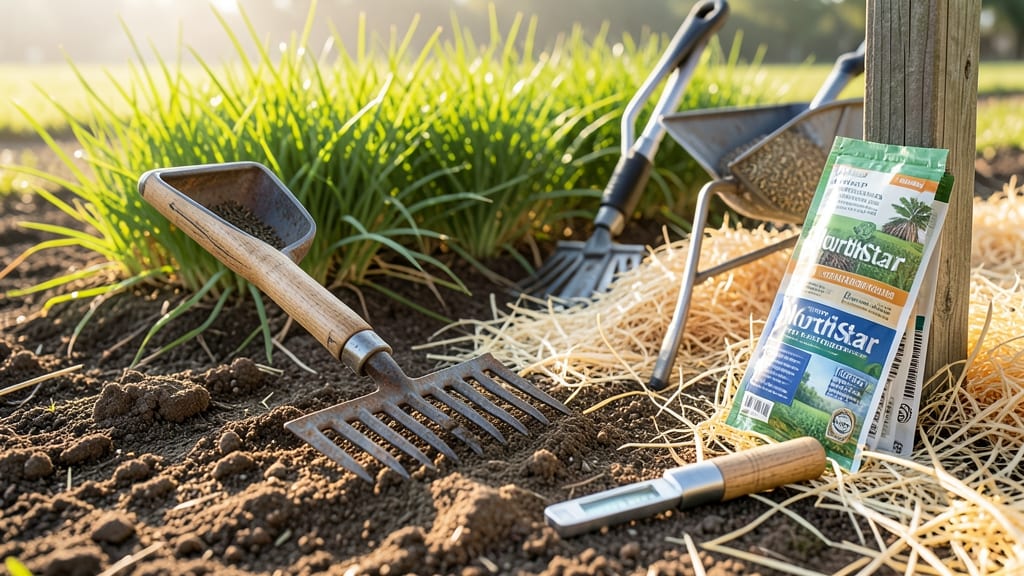
Planting grass seed in Michigan at the wrong time can mean the difference between a lush, green lawn and a patchy, weed-infested disappointment.
The key to fast germination lies in understanding your Zone 5-6 climate, where timing must align with soil temperatures, frost dates, and regional variations that can shift your ideal window by weeks.
For most of Michigan, the sweet spot arrives in late April to early June for spring planting, when soil warms to 50-65°F and the threat of frost has passed. But don’t overlook fall—September offers a second chance, as cooler temperatures reduce stress on new seedlings.
Whether you're in northern Michigan’s cooler pockets or southern regions with earlier springs, these windows ensure your 🌱 grass seed gets the best possible start.
I’ve tested these timelines across Michigan’s diverse microclimates, and the results speak for themselves: lawns planted outside these windows struggle with slow germination, weed competition, or even death from late frosts.
The good news? With the right preparation—soil testing, proper seed depth, and consistent watering—you can turn your lawn into a thriving green space in just 3-4 weeks.
Ready to skip the guesswork? Let’s break down exactly when to plant in your specific corner of Michigan, plus the fastest ways to prep your soil for maximum success. Your perfect lawn starts with the right timing—and we’re about to make it effortless.
Michigan grass seed planting calendar: best months by soil temperature and weather
Timing your grass seed planting in Michigan isn’t just about the calendar—it’s about soil temperature and frost dates. In USDA Zones 5-6, waiting until the soil warms to 50-65°F ensures seeds germinate quickly and avoid frost damage.
The best windows are early spring (April-May) and early fall (September), but Upper Michigan’s cooler climate shifts these dates by 2-3 weeks later than Lower Michigan.
Spring planting is ideal because the soil warms faster after Michigan’s last frost date (mid-April), giving seeds 6-8 weeks of growing time before summer heat. Fall planting, however, offers cooler soil and fewer weeds, with seeds establishing roots before winter dormancy.
Both seasons require consistent moisture and weed control to outcompete invasive species.
| Planting Window | Soil Temp Threshold | Best Months (Lower MI) | Best Months (Upper MI) | Key Considerations |
|---|---|---|---|---|
| Early Spring | 50-65°F | April 15 - May 15 | May 1 - June 1 | Avoid frost risk; water daily until established. |
| Early Fall | 50-65°F | September 1 - September 30 | August 15 - September 15 | Soil stays warm longer; fewer weeds than spring. |
| Avoid | Below 50°F | February, March, November | February, March, October | Seeds won’t germinate; frost damage likely. |
For Lower Michigan (Zones 5b-6a), like Detroit or Ann Arbor, the last frost date typically arrives by April 15, making mid-April the safest start for spring planting.
In contrast, Upper Michigan (Zones 4b-5a), such as Traverse City or Marquette, often waits until May 1 due to cooler soil temperatures and later frost risks. Always check your local Almanac frost dates or use a soil thermometer to confirm readiness.
Soil temperature is the critical factor for germination. Most cool-season grasses (like Kentucky bluegrass or tall fescue) germinate best when soil reaches 50-65°F. Use a soil thermometer to test depth—seeds need warmth at 1-2 inches deep.
If your soil is still cold, wait 1-2 weeks or use a thick mulch layer to accelerate warming.
Fall planting in Michigan offers a secret advantage: cooler air temperatures mean less water evaporation, and established roots handle winter better. Aim to plant 4-6 weeks before your first frost (usually mid-September in Lower MI and early September in Upper MI).
This gives seeds time to develop deep roots before dormancy, reducing spring thatch buildup and weed competition.
Regional microclimates matter too. Southern Michigan (e.g., Kalamazoo) can plant 1-2 weeks earlier than Northern Michigan (e.g., Sault Ste. Marie) due to warmer lake-effect zones. If you’re near Great Lakes shorelines, expect 1-2°F warmer soil in spring, while inland areas may need to wait longer.
Always monitor weekly weather forecasts for unexpected frost warnings.
Pro tip: Pre-wet your soil 24 hours before planting to ensure seeds stay hydrated during germination. Use a light mulch (straw or peat moss) to retain moisture and block weeds. Avoid heavy mulch layers, which can smother seeds.
For large lawns, consider a slit seeder to plant seeds ¼ inch deep—shallow planting prevents drought stress and bird predation.
After planting, water deeply twice daily (morning and evening) for the first 2 weeks, then taper to 1 inch per week. Overwatering can drown seeds, while underwatering causes crusting.
In summer heat, increase watering to 1.5 inches per week to prevent brown patch disease, common in Michigan’s humid climate.
Remember: Michigan’s weather is unpredictable. Even if the calendar says it’s safe, a late frost can kill new seedlings. Use row covers or frost cloth for early spring plantings in Upper Michigan.
For fall plantings, choose cold-hardy varieties like ‘Barnyard’ grass or ‘Titan’ tall fescue, which tolerate 20°F temperatures
How to prepare your Michigan lawn for fast grass seed germination
Preparing your Michigan lawn for grass seed germination isn’t just about timing—it’s about creating the perfect environment for seeds to thrive. Michigan’s Zone 5-6 climate demands careful soil prep to ensure seeds like Kentucky bluegrass or tall fescue sprout quickly and evenly.
Start by testing your soil’s pH level, which should ideally sit between 6.0 and 7.0 for optimal growth.
Most gardeners overlook soil temperature, but it’s critical. Grass seeds germinate best when soil stays consistently above 50°F. In Michigan, this typically means waiting until late April to early May for spring planting or mid-August to September for fall.
Rushing too early can leave seeds vulnerable to frost, while waiting too long risks weed competition.
⚠️ Michigan Planting Mistake: Skipping Soil Prep
Planting grass seed without prepping soil is like setting a house on sand—it won’t hold. 60% of seed failure in Michigan comes from poor soil conditions. Always:
- ✅ Test pH 2 weeks before planting
- ✅ Remove weeds completely (even roots!)
- ✅ Loosen soil 2-3 inches deep for roots
Pro Tip: Use a soil thermometer—seeds need warmth, not just rain!
Begin by removing all existing weeds, including dandelions and clover, which compete for nutrients. Use a non-selective herbicide like glyphosate if weeds are widespread, but apply it 4-6 weeks before planting to avoid harming new grass.
For organic options, hand-pull weeds or smother them with black plastic mulch for 2 weeks before planting.
Adjust your soil’s pH level if needed—most Michigan lawns lean acidic. Add lime to raise pH (for soils below 6.0) or sulfur to lower it (for soils above 7.0).
Aim for a balanced pH of 6.5, which helps nutrients like nitrogen, phosphorus, and potassium absorb properly. Test again after amending and wait 1-2 weeks before seeding.
Loosen the top 2-3 inches of soil with a garden rake or tiller to create a seed-friendly bed. Compacted soil blocks roots and slows germination. For bare spots, mix compost or peat moss into the soil to improve drainage and moisture retention.
This step is especially crucial in clay-heavy Michigan soils, which can suffocate young grass roots.
When sowing, scatter seeds evenly at a depth of ¼ inch—any deeper, and they won’t get enough sunlight to sprout. Use a drop spreader for large areas and a hand spreader for edges.
For Kentucky bluegrass, aim for 10-12 lbs per 1,000 sq ft, while tall fescue needs 8-10 lbs. Lightly rake the soil to cover seeds, then water gently to settle them without washing them away.
After planting, keep the soil consistently moist but not soggy. Water lightly twice daily for the first week to encourage germination, then taper to 1 inch per week once grass reaches 2-3 inches tall.
Avoid heavy watering, which can dislodge seeds or cause fungal growth. Mulch with straw to retain moisture and protect seeds from drying out.