
Plants
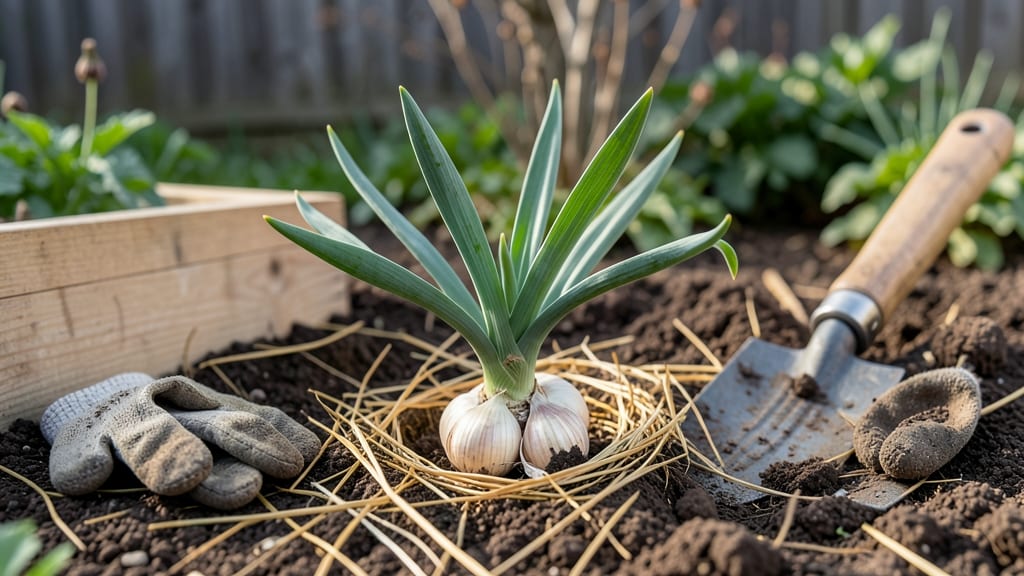
Planting garlic in Tucson isn't just about grabbing cloves from the store—it's about timing them perfectly to beat the desert's tricks. The best window to plant 🧄 in USDA Zone 9b is October through November, when soil temps drop below 70°F and stay cool enough to prevent bolting.
Skip this, and you risk small, pungent bulbs—or worse, no harvest at all.
Why does this matter? In Tucson, where winter rains and spring heat waves play havoc, planting too early means your garlic will sprout in summer heat and bolt (flower) prematurely. Too late, and it won’t get enough chilling time to form proper bulbs.
The key is a 4-6 week window before the first frost—usually mid-October to early November—for strong roots and plump harvests by April.
Here’s the game-changer: Tucson’s microclimates (urban heat islands vs. rural desert) can shift ideal timing by weeks. I’ll break down how to read your soil’s cues, choose the right garlic variety, and avoid the top mistakes that leave Tucson gardeners scratching their heads.
Ready to grow zero-bolt garlic that rivals store-bought?
Let’s dive into the exact steps—from soil prep to post-planting care—to turn your Tucson garden into a garlic powerhouse. No guesswork, just proven results for Arizona’s unique growing conditions.
Optimal planting months for Tucson garlic (avoid bolting & heat stress)
Tucson’s desert climate creates unique challenges for growing garlic, but mastering the planting window can yield plump bulbs instead of scraggly stalks. The key is planting when soil temperatures drop below 70°F—typically in late October to mid-November—to trigger bulb formation before winter rains arrive.
Plant too early, and your garlic may bolt prematurely from residual summer heat. Too late, and you risk weak growth before spring’s heat stress sets in.
Hardneck varieties like ‘German White’ or ‘Silverskin’ thrive best in Tucson’s cooler winters, while softneck types such as ‘Artichoke’ tolerate slightly warmer microclimates. Urban areas with concrete heat islands may need to plant 2 weeks later than rural zones where nights stay cooler.
Always check soil temps with a soil thermometer—aim for 60-65°F at planting depth (2 inches).
For urban Tucson gardens, where nights stay warmer year-round, focus on softneck varieties that handle heat better. Plant between November 15 and December 15, using black plastic mulch to moderate soil temps.
Rural gardeners with cooler nights should prioritize hardneck garlic planted by November 1 to ensure proper chilling before spring’s heat arrives. Always choose large, firm cloves from organic sources—small or soft cloves struggle in Tucson’s dry conditions.
Bolting—when garlic sends up a flower stalk—is your biggest enemy in Tucson. This happens when plants experience too much heat or too little cold. To prevent it, plant when daytime highs stay below 75°F and nights dip to 50°F.
If you miss the window, try shade cloth (30-50%) during spring’s hottest months to protect emerging shoots. Hardneck varieties are slightly more forgiving but still need consistent moisture—deep watering every 10-14 days prevents stress-induced bolting.
Tucson’s microclimates play a huge role in success. Areas like Mount Lemmon foothills can plant 2 weeks earlier than downtown, while the Santa Cruz Valley may need to delay until December. Test your soil’s drainage first—garlic hates soggy roots.
Amend with compost and a balanced fertilizer (5-10-10) at planting to give your cloves a nutrient boost before winter dormancy. Mulch heavily with straw or wood chips to retain moisture and insulate roots from temperature swings.
One common mistake in Tucson is planting too shallowly—garlic cloves need 2 inches of soil coverage to prevent exposure to heat. Use a planting depth gauge or your finger to check.
Another pitfall is ignoring spring mulch removal—leave mulch in place until March to protect bulbs, but remove it before harvest to dry the soil and prevent rot. For hardneck varieties, save the flower stalks (scape) to braid and sell—they’re a local delicacy!
Harvest timing is just as critical as planting. In Tucson, most garlic is ready by late April to June, when lower leaves turn brown and crispy but upper leaves stay green. Dig with a fork, not a shovel, to avoid piercing bulbs.
Cure harvested garlic in a shady, dry place for 2-3 weeks before braiding or storing. Urban gardeners often harvest 1-2 weeks later than rural areas due to heat retention.
If you’re new to Tucson garlic growing, start with ‘Artichoke’ softneck—it’s the most forgiving for beginners. For advanced gardeners, experiment with ‘German Red’ hardneck in cooler microclimates. Remember: the 4-6 week window before Tucson’s first frost is your golden opportunity.
Miss it, and you’ll battle bolting, pests, or weak bulbs all season. With the right timing and care, your garlic harvest will be the talk of the Tucson Farmers Market! 🧄
Step-by-step garlic planting checklist for Tucson gardens
Tucson’s unique desert climate demands careful preparation to grow hardneck garlic with plump bulbs. The key is balancing soil temperature, moisture retention, and pest prevention while avoiding common pitfalls like bolting. Follow this checklist to ensure your garlic thrives from planting to harvest.
Start by selecting organic garlic bulbs from cold regions (like Canada or the Pacific Northwest) for best adaptation. Avoid pre-sprouted bulbs, as they’ll struggle in Tucson’s winter heat spikes.
For optimal results, plant between October 15th and November 15th, when soil temps drop below 70°F but before hard frosts arrive.
- 1 Test and amend soil pH (aim for 6.0-7.0). Tucson’s alkaline soils often need compost or peat moss to improve drainage and fertility. Mix 2-3 inches of aged compost into the top 12 inches of soil.
- 2 Choose planting location with full sun exposure (6+ hours daily) and well-draining soil. Avoid low spots where winter rains cause waterlogging. Urban gardens can use raised beds to improve drainage.
- 3 Break bulbs into individual cloves 24 hours before planting. Use hardneck varieties like ‘German White’ or ‘Silverskin’ for Tucson’s climate. Plant the largest cloves (½–1 inch diameter) for bigger bulbs.
- 4 Plant cloves 2 inches deep, 4 inches apart in rows spaced 12 inches apart. Point the root end downward (smaller side) and cover with soil. Mulch with straw or wood chips (2–3 inches) to retain moisture and suppress weeds.
- 5 Water deeply immediately after planting (1 inch of water) and maintain consistent moisture without waterlogging. Tucson’s winter rains can cause rot, so use drip irrigation or soaker hoses to avoid overhead watering. Reduce watering in late winter to harden bulbs before harvest.
- 6 Apply light fertilizer in December and February using a 5-10-10 NPK blend (1 tbsp per 10 sq ft). Avoid nitrogen-heavy fertilizers, which encourage leafy growth at the expense of bulb size. Monitor for thrips or aphids and treat with neem oil if needed.
- 7 Harvest in late April to June when lower leaves turn brown but upper leaves remain green. Cure bulbs in a shady, dry, well-ventilated area for 2–3 weeks before storing. Tucson’s spring heat waves can accelerate bolting, so harvest promptly to avoid flavor loss.
Tucson’s unpredictable spring heat waves can trick garlic into bolting (flowering) prematurely, ruining bulb development. If temperatures rise above 80°F before harvest, provide light shade cloth (30–50%) during peak afternoon heat. This simple step can save your crop and extend your harvest window by 2–3 weeks.
Protect your garlic from voles and rabbits, which are common in Tucson gardens. Use hardware cloth cages or plant near deterrent plants like marigolds. With the right timing and care, your garlic will thrive in Tucson’s desert climate, yielding bold-flavored bulbs perfect for roasting or braiding.