
Planting
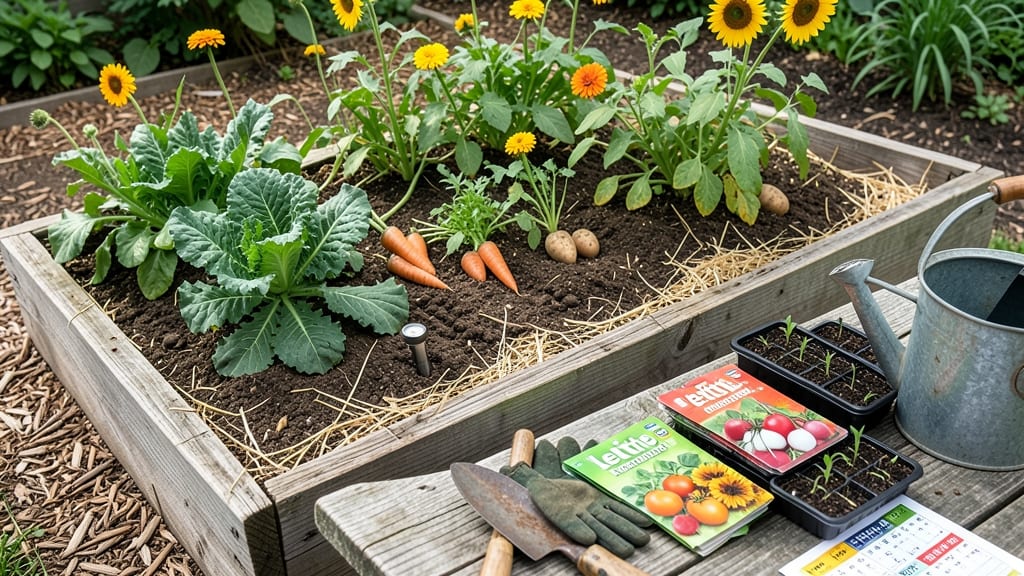
Knowing when to plant a garden in Colorado can make or break your harvest—especially when frost dates swing wildly between Denver’s plains and the mountain valleys.
Whether you're planting 🌱 General Colorado Garden veggies or delicate perennials, getting the timing wrong risks losing everything to late frosts or scorching summer heat.
Colorado’s 5-7 hardiness zones complicate things further, with last frosts arriving as early as mid-April in lower elevations but lingering into June at higher altitudes. That’s why knowing exactly when to plant—and how to adjust for microclimates—isn’t just helpful, it’s essential for success.
I’ll break down the ideal planting windows for spring and fall crops, including soil prep tips to ensure your garden thrives. From mid-April starts to late-summer fall planting, you’ll learn how to sync your schedule with Colorado’s unpredictable weather patterns.
Skip the guesswork and discover the most efficient strategies to maximize your harvest, whether you’re a beginner or a seasoned gardener. Let’s get your General Colorado Garden off to the best possible start!
Colorado planting calendar by hardiness Zone (4-7) and season
Colorado’s gardening seasons vary dramatically from the Front Range to the Western Slope, with elevation differences of over 5,000 feet affecting frost dates. Hardiness zones 4-7 cover most of the state, but knowing your exact zone and last frost date is critical.
For example, Denver (Zone 5b) typically sees its last frost around April 15, while Grand Junction (Zone 6b) warms up weeks earlier.
Spring planting begins as soon as soil reaches 50°F, usually mid-April to late May, while fall crops like kale and spinach thrive when planted August to September. Herbs like basil and flowers such as marigolds also have specific windows to ensure they mature before frost.
Let’s break down the best times to plant by season and zone.
Here’s a quick reference for Colorado’s planting windows by hardiness zone and season:
For Zone 4 gardeners in areas like Leadville or Steamboat Springs, cool-season crops like peas and lettuce should be planted mid-May to avoid late frosts. Meanwhile, Zone 7 gardeners in Albuquerque or Colorado Springs can start warm-season crops like tomatoes and peppers as early as March.
In Zone 5, which includes Denver and Fort Collins, the last frost date is typically April 15, making it safe to plant cold-hardy vegetables like broccoli and carrots by mid-April. Warm-season plants, such as beans and cucumbers, should wait until mid-May when soil temperatures consistently stay above 60°F.
Adjust your planting schedule if you’re in a microclimate, like a valley or urban heat island. For example, Denver’s city center can be 5-10°F warmer than nearby suburbs, allowing you to plant 2-3 weeks earlier for heat-loving crops like eggplant.
Always monitor local weather forecasts for unpredictable frost events.
Herbs like basil and cilantro also have specific timing needs. Basil thrives in warm soil and should be planted after Memorial Day in most zones, while cilantro bolts quickly in heat, so plant it in early spring or late summer for a fall harvest. Perennials like lavender and rosemary can be planted in spring or fall, but avoid transplanting during extreme heat or cold.
For fall planting, focus on cool-season crops like kale, spinach, and radishes in August to September. These crops tolerate light frosts and often produce sweeter flavors after a light frost. Garlic and onions should be planted in October for a summer harvest the following year.
Use row covers
How to adjust planting times for Colorado’s unique microclimates
Colorado’s dramatic elevation changes—from 5,000-foot plains to 10,000-foot mountain valleys—create wildly different growing conditions. What works in Denver’s urban heat island may fail in Grand Junction’s arid desert or Aspen’s alpine zone. Understanding these microclimates lets you fine-tune planting times for success.
Start by noting your elevation-based frost dates. Mountain areas like Steamboat Springs (Zone 5) may have late May last frosts, while Pueblo (Zone 6) typically sees frost-free soil by mid-April.
Urban areas like Aurora can experience heat island effects, delaying frost up to 2 weeks compared to rural outskirts.
Adjust for elevation shifts
Move planting 2-3 weeks later every 1,000 feet higher. For example, if Denver (5,280 ft) plants tomatoes in late May, Leadville (10,152 ft) should wait until early July.
Account for urban heat islands
Cities like Colorado Springs can be 5-10°F warmer than surrounding areas. Start heat-loving crops (peppers, basil) 2 weeks earlier and extend fall planting by 3 weeks.
Test soil temperature, not air temp
Use a soil thermometer—50°F+ is ideal for cool-season crops (spinach, peas), while 60°F+ is needed for warm-season crops (beans, cucumbers). Mountain soils stay cold longer.
Use row covers in valleys
High-altitude areas like Fort Collins benefit from floating row covers to extend the growing season by 3-4 weeks. Remove covers when temps exceed 80°F to avoid overheating.
Choose drought-resistant varieties for arid zones
In Western Slope areas (e.g., Grand Junction), opt for native plants (yarrow, blanket flower) or drought-tolerant veggies (zucchini, malabar spinach). Plant 1-2 weeks earlier to beat summer dry spells.
For container gardening in microclimates, use black pots to warm soil faster in urban areas and light-colored containers to reflect heat in mountain zones. Always check local CoCoRaHS weather stations for hyper-local frost data—these community reports often reveal 1-2°F differences between neighborhoods.
Remember: High-altitude gardens reward patience with longer daylight hours in summer. Take advantage by successive planting every 10-14 days from June through August to maximize harvests before early September frosts arrive.
🌱