
Flowers
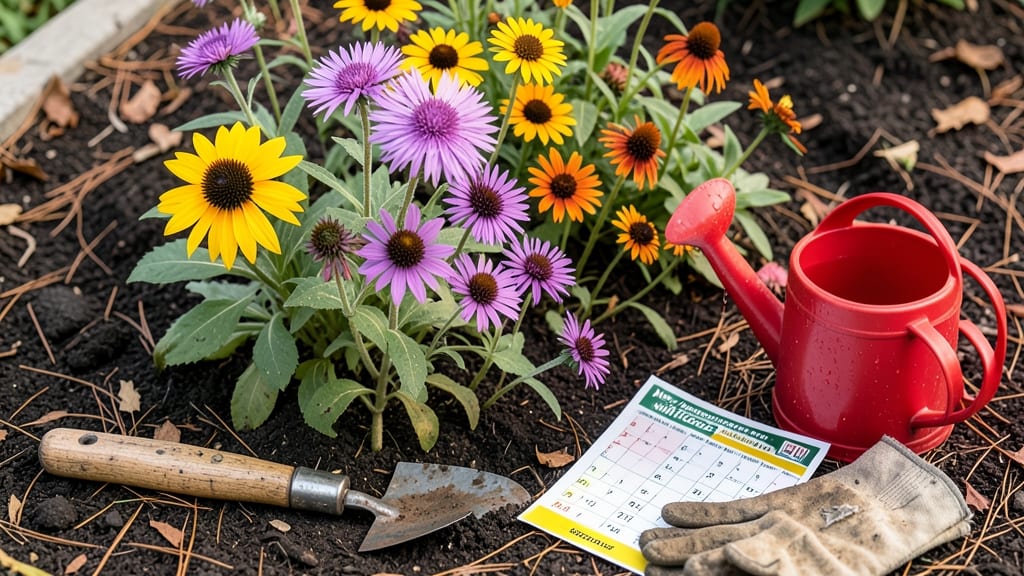
When to plant flowers in New Hampshire 🌸 can make the difference between a showstopping garden and a sad, frost-nipped disappointment. With last frost dates bouncing around mid-April and unpredictable weather, knowing exactly when to plant is the key to avoiding those wilting seedlings you’ve seen too many times.
I’ve spent years watching my own garden thrive—and fail—based on when I put those little seeds in the ground. The secret isn’t just waiting for the calendar to say spring; it’s understanding USDA zones 5a-6b, microclimates, and how your specific corner of NH behaves.
Whether you’re dreaming of vibrant annuals or hardy perennials that come back year after year, getting this right means more blooms and less stress.
In this guide, I’ll break down the perfect planting windows for every type of flower—from bulbs that need a fall start to heat-loving annuals that wait for May.
You’ll learn how to outsmart late frosts, which varieties handle NH’s short growing season best, and even how to stretch your season with simple tricks like row covers.
Ready to turn your garden into a year-round paradise? Let’s dive into the exact months, tools, and tips that’ll have your flowers blooming like never before—no guesswork, just gorgeous results.
New Hampshire frost dates by hardiness Zone: when to plant flowers safely
New Hampshire spans USDA Hardiness Zones 3-5, meaning frost dates vary dramatically between southern Concord (Zone 5a) and northern Mount Washington (Zone 3). Understanding these zones helps you avoid late-spring frosts that can destroy tender seedlings.
The key is knowing your last average frost date, which typically ranges from mid-April in the south to late May in the north.
For precise timing, use the National Oceanic and Atmospheric Administration (NOAA) frost calculator or local NH Extension Service resources. These tools account for microclimates, like valleys staying colder longer than hilltops. Even a 5-degree difference can mean the difference between thriving annuals and lost investments.
Southern NH (Zones 5a-5b), including Manchester and Portsmouth, usually sees its last frost by April 15. This is ideal for planting warm-season annuals like marigolds and zinnias. Meanwhile, Northern NH (Zones 3b-4a), like White Mountains, often waits until May 10-20 before safely planting heat-lovers.
Here’s how to use frost dates for three flower categories:
- Bulbs (tulips, daffodils): Plant in fall (October-November) for spring blooms.
- Perennials (coneflowers, hostas): Plant in spring (after last frost) or fall.
- Annuals (petunias, sunflowers): Wait until 2 weeks after last frost to avoid damage.
Pro tip: Extend your season with row covers or cold frames. These can push your planting window 2-3 weeks earlier in spring or delay fall frosts by 4-6 weeks. Just remove covers when flowers bloom to prevent overheating.
| Zone & Region | Last Frost Date | First Frost Date | Safe Planting Window | Cold-Hardy Flowers |
|---|---|---|---|---|
| Zone 3 (White Mountains) | May 10-20 | September 20-30 | May 25 - June 15 | Pansies, Snapdragons, Delphiniums |
| Zone 4 (Laconia, Nashua) | April 25 - May 5 | October 5-15 | May 10 - June 10 | Black-Eyed Susans, Coneflowers, Russian Sage |
| Zone 5 (Concord, Portsmouth) | April 10-15 | October 15-25 | April 25 - May 10 | Marigolds, Zinnias, Petunias |
| All Zones (Fall Planting) | N/A | N/A | September 1 - October 15 | Tulip bulbs, Daffodil bulbs, Chrysanthemums |
For annuals like impatiens, wait until two weeks after your last frost date—they’re especially sensitive to cold. Meanwhile, perennials like lavender can handle light frosts and may even thrive if planted in early spring (March-April) in milder zones.
If you’re unsure about your exact frost date, start seeds indoors 6-8 weeks before your last frost. This gives you a head start and lets you transplant hardened-off seedlings once the coast is clear.
For example, tomato seedlings (yes, they’re flowers too!) should go in the ground after May 1 in Zone 5.
Don’t forget about fall planting! Many bulbs and perennials prefer cooler soil temps. Plant tulip bulbs in October for stunning spring blooms, and mums in early September to establish roots before winter.
Even annuals like pansies can handle light frosts and add color to early spring or late fall gardens.
To track your local frost dates, check the NH Agricultural Experiment Station or use apps like PlantNet. These tools provide hyperlocal data that accounts for elevation and nearby water bodies—critical for NH’s varied terrain. With the right timing, you’ll enjoy longer bloom seasons and fewer replanting headaches.
Remember: Patience pays off. Rushing to plant can lead to wilted seedlings or stunted growth, but following these zone-specific guidelines ensures your flowers thrive from spring to fall. Happy gardening!
Best flower planting timeline by variety: annuals vs. perennials vs. bulbs
New Hampshire’s short growing season means timing is everything when planting flowers. Annuals, perennials, and bulbs each have unique planting windows to thrive in our USDA Zones 3-5.
Whether you’re planting cold-hardy pansies in spring or tulip bulbs in fall, knowing the right time ensures vibrant blooms and fewer replanting headaches.
In my garden, I’ve learned that fall planting for bulbs and late spring for annuals are non-negotiable for NH’s climate. But what about perennials? And how do you extend the season with row covers?
Let’s break it down by flower type so you can plan with confidence—no more guesswork or lost plants!
Plant in fall (September–October) for spring blooms. NH’s cold winters strengthen bulbs—just cover with mulch after ground freezes.
Plant in spring (April–May) or early fall (September). Perennials establish roots before winter—ideal for NH’s short summers.
Wait until after last frost (mid-May). Use row covers to extend the season 2–3 weeks earlier or later.
Plant as early as March–April—they tolerate light frost and bloom earlier than heat-lovers like geraniums.
For heat-sensitive annuals like geraniums or impatiens, I always wait until late May to avoid late frosts that can wipe out tender seedlings.
Pro tip: Check the NH Frost Calculator (like the one from the UNH Cooperative Extension) to pinpoint your exact last frost date—it varies 1–2 weeks across the state!
Don’t forget row covers! They’re my secret weapon for extending the season by 3–4 weeks in both spring and fall. Lightweight fabric protects delicate annuals from late frosts in May and early frosts in October. Just remove them during pollination days so bees can visit!
If you’re planting perennials in fall, aim for 6 weeks before ground freezes (usually by mid-October). This gives roots time to establish before winter. For bulbs like tulips, plant them 6 weeks before soil freezes—they need cold stratification to bloom the following spring.
Remember: Soil temperature matters. Use a soil thermometer to confirm it’s above 50°F before planting annuals. In NH, this often means waiting until early June in northern regions. Patience pays off—trust me, I’ve learned the hard way with frost-bitten petunias!