
Plants
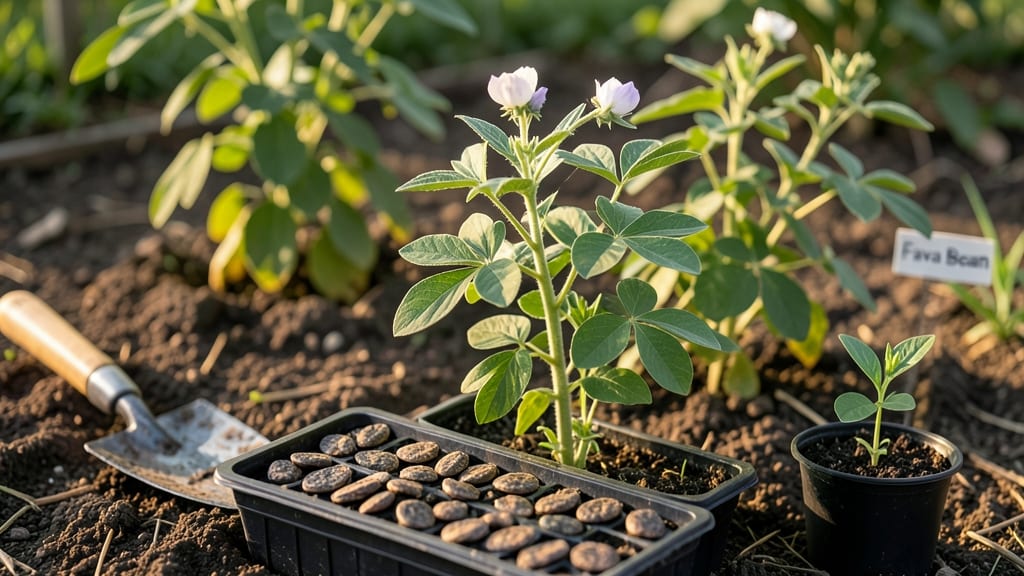
Planting fava beans at the wrong time in Zone 8 can turn your winter garden into a bustling crop—or a sad, empty patch of dirt. These cool-weather lovers 🌱 need precise timing to thrive, and missing the window means missing out on those sweet, tender pods by late spring.
I’ve learned the hard way that fava beans aren’t like tomatoes—they hate heat and bolt when temperatures rise. In Zone 8, that means planting too late in winter or too early in spring can spell disaster. But get it right, and you’ll enjoy a harvest just as summer begins.
The key is to sow seeds 6–8 weeks before your first frost, typically in December or January, when soil temps dip below 75°F. This gives them time to establish roots before winter slows them down.
For a second crop, try late winter—just don’t wait until March, or you’ll risk heat stress.
Ready to avoid the guesswork? I’ll walk you through the exact planting schedule, soil prep tricks, and even how to stretch your harvest with smart spacing. Let’s make sure your fava beans grow strong, not stressed.
Best planting windows for fava beans in Zone 8
Fava beans are cool-season powerhouses that thrive when temperatures dip below 75°F, making Zone 8’s mild winters perfect for their growth. Unlike heat-loving crops, these beans actually bolster flavor in cooler months, but timing is critical to avoid summer heat stress.
In Zone 8, where winters are warm but not freezing, you’ve got two prime planting windows—early fall and late winter—that maximize yield while avoiding heat-related failure.
Zone 8 spans diverse microclimates, from coastal areas with milder winters to inland regions with occasional light frosts. Fava beans tolerate light frost (down to 25°F), but prolonged cold or sudden heat spikes can stunt growth.
The key is planting when soil temps hover between 40-70°F, giving seeds the ideal environment to germinate without bolting prematurely. Let’s break down the exact months and conditions for each window.
| Planting Window | Ideal Months | Soil Temp (°F) | Daylength | Frost Risk | Notes |
|---|---|---|---|---|---|
| Early Fall | Late October - November | 50-65°F | 10-12 hours | Low (coastal) to Moderate (inland) | Plant 6-8 weeks before first frost for mature pods by winter. |
| Late Winter | January - Early February | 45-60°F | 10-11 hours | None (Zone 8 winters) | Harvest pods by late spring before summer heat arrives. |
| Marginal Window | March (coastal only) | 55-70°F | 12+ hours | Heat stress risk | Use shade cloth; harvest quickly before bolting. |
For early fall plantings, aim to sow seeds by mid-November in most of Zone 8. Coastal areas can push this to early December, but inland regions should finish by November 15 to avoid winter dormancy.
The goal is to establish roots before soil cools below 40°F, which slows germination. Use a row cover if nights dip near freezing to protect young seedlings.
Late winter plantings in January-February offer a second harvest window, but success hinges on soil preparation. Amend beds with compost and aged manure in late fall to warm soil faster in winter.
Direct-sow seeds ½ inch deep, spacing them 2-3 inches apart in rows 18 inches apart. This spacing prevents overcrowding as plants mature to 3-4 feet tall.
Zone 8’s mild winters mean fava beans grow slower but sweeter than in colder zones. Avoid planting after March 15 unless you’re in a coastal microclimate with delayed heat.
Even then, use shade cloth (30-50%) to prevent bolting—the plant’s premature flowering triggered by heat. Monitor soil temps with a soil thermometer; seeds won’t germinate below 40°F.
One often-overlooked trick for Zone 8 gardeners is succession planting. Sow a small batch every 2 weeks from November through January to stagger harvests. This ensures a continuous supply of tender pods instead of one overwhelming flush.
Pair fava beans with broccoli or lettuce to maximize space; their shallow roots won’t compete with deeper-rooted plants like carrots.
If you’re in a warmer inland Zone 8b (e.g., Las Vegas, Phoenix suburbs), prioritize fall plantings and harvest by late February to avoid summer heat. Coastal Zone 8a gardeners (e.g., San Diego, Santa Barbara) have more flexibility, including early March plantings with shade protection.
Always check your local frost dates—even Zone 8 can see unexpected cold snaps.
Fava beans are nitrogen-fixing, meaning they improve soil health as they grow. This makes them ideal for rotating into depleted beds. After harvest, chop remaining plants and till them into the soil to boost organic matter.
Their deep taproots also break up compacted soil, making them a perfect cover crop if you skip the harvest.
Pro tip: Soak seeds in lukewarm water for 12 hours before planting to speed germination. This is especially useful in Zone 8’s dry winters, where soil moisture can be inconsistent.
Add a mulch layer (straw or leaves) to retain moisture and regulate soil temps. With the right timing, you’ll enjoy harvests from December through April—long after most gardens have gone dormant.
How to extend the fava bean growing season in Zone 8
Zone 8’s mild winters and warm springs create a unique opportunity to grow fava beans year-round with the right strategies. Unlike cooler climates, we can push our harvest windows by leveraging succession planting and microclimate adjustments.
The key is timing—planting too early risks heat stress, while late plantings may not mature before summer’s intensity.
Fava beans thrive when soil temperatures stay between 40°F and 75°F. In Zone 8, this means focusing on fall, winter, and early spring plantings. By extending the season, you can enjoy fresh pods from late winter through early summer, avoiding the brutal summer heat that stunts growth.
Let’s break down the proven methods I’ve used to maximize my harvests.
- 📅 Fall Planting (October-November): Sow seeds 6-8 weeks before first frost (typically mid-December in Zone 8). Use black plastic mulch to warm soil and extend the season by 2-3 weeks.
- ❄️ Winter Planting (December-January): Plant in raised beds with row covers to protect from light frosts. Soil stays cool enough for ideal growth while avoiding summer heat.
- 🌱 Early Spring Planting (February-March): Choose fast-maturing varieties like 'Aquadulce Claudia' (90 days) to harvest before temperatures rise above 80°F.
- 🌿 Soil Prep: Amend soil with compost and aged manure to improve drainage and fertility. Fava beans need well-draining soil to avoid root rot in Zone 8’s humid winters.
- 🌱🌱 Succession Planting: Sow new seeds every 3-4 weeks from October through March. This ensures a continuous harvest and reduces the risk of crop failure from unpredictable weather.
One of my favorite tricks is using companion planting to protect fava beans from pests and improve soil health. Pair them with garlic, onions, or lettuce—these plants naturally repel aphids and other common fava bean pests.
I’ve also seen success with clover cover crops planted between rows, which fix nitrogen in the soil while suppressing weeds.
For heat-sensitive varieties, create shade using drip irrigation lines strung with shade cloth (30-50% shade) during the hottest afternoons. This simple setup can lower soil temperatures by 10-15°F, giving your plants a fighting chance in Zone 8’s late spring heat.
Always water deeply in the morning to reduce stress and encourage strong root development.
Don’t overlook the power of microclimates in your garden. South-facing beds warm up faster and are ideal for early spring plantings, while north-facing areas stay cooler—perfect for late summer sowings if you’re experimenting with heat-tolerant varieties.
Test your soil’s pH (6.0-7.5) and adjust with lime or sulfur if needed, as fava beans are sensitive to acidic conditions.
By combining these strategies, I’ve extended my fava bean season from a single 4-week harvest to a 12-week bounty. The secret? Staying proactive with planting windows, soil health, and protective measures tailored to Zone 8’s unique climate challenges.
With a little planning, you can enjoy homegrown fava beans well into summer! 🌱