
Plants
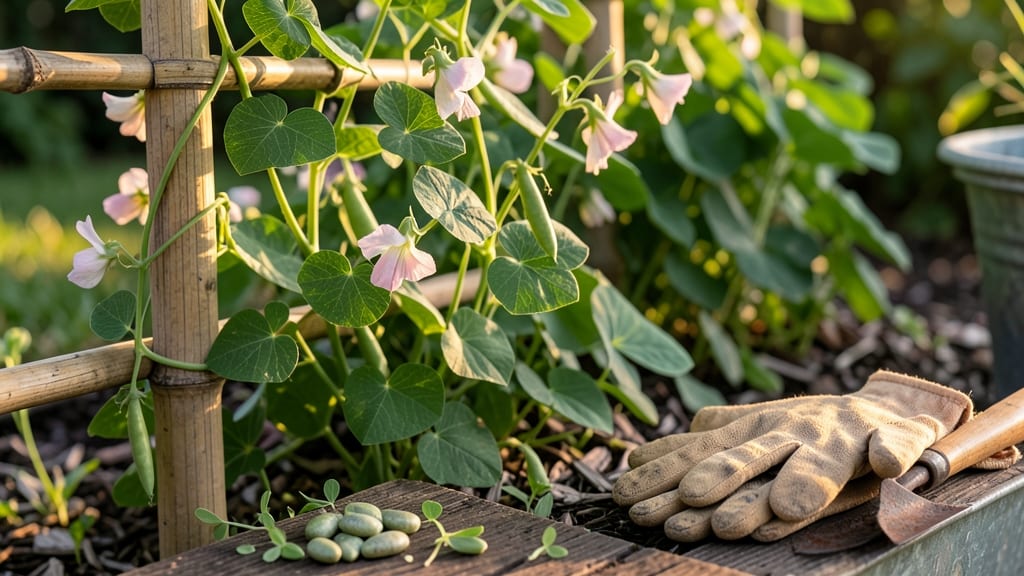
Planting English peas 🌱 in Zone 8 at the wrong time means bitter, tough pods instead of the sweet, tender harvest you crave. The key to success isn't just waiting for spring—it's matching their chill-hour needs with your local frost dates, and most gardeners get this wrong.
I've learned the hard way that timing English peas depends on more than just the calendar. Whether you're in Sacramento's inland heat or San Diego's coastal breeze, getting the soil temperature and chill hours right makes all the difference between a bumper crop and wasted effort.
Let me show you exactly when to plant for zero bolt failures.
You'll discover the 3 perfect planting windows that work in Zone 8, plus how to adjust for your specific microclimate. We'll cover soil prep secrets that keep peas cool when they need to be, and which varieties thrive in your area without bolting early.
By the end, you'll know exactly when to put those seeds in the ground for sweet, plentiful pods—no guesswork, just reliable results. Let's get started with the timing that actually works.
Zone 8 English pea planting calendar: chill-hours vs. frost dates
English peas thrive in Zone 8 when planted during their optimal chill-hour window of 300–500 hours below 45°F. This requirement separates successful harvests from premature bolting.
Unlike northern climates, Zone 8’s mild winters and late frost dates demand precise timing—plant too early, and peas bolt; too late, and heat stunts growth.
Most Zone 8 gardeners focus on spring planting (February–March), but fall sowings (September–October) can work in cooler microclimates like San Diego’s coastal areas. The key is aligning your planting with soil temperatures (ideal: 45–75°F) and avoiding summer’s heat stress.
Here’s how chill-hours and frost dates dictate your planting schedule:
| Planting Window | Chill-Hours Needed | Soil Temp (°F) | Frost Risk | Best For |
|---|---|---|---|---|
| Late Winter (Feb 15–Mar 15) | 300–400 hours | 45–60°F | Low (post-first frost) | Sacramento, Phoenix |
| Early Spring (Mar 15–Apr 15) | 400–500 hours | 50–70°F | None (safe) | San Diego, Los Angeles |
| Fall (Sep 15–Oct 15) | 200–300 hours | 55–65°F | Moderate (first frost risk) | Coastal areas only |
Inland cities like Sacramento (Zone 8a) have colder winters and can plant 2–3 weeks earlier than coastal San Diego (Zone 8b–9a). Use a soil thermometer to confirm temps—peas won’t germinate below 45°F.
For fall plantings, aim for September in cooler microclimates (e.g., San Diego hills) where nights dip below 60°F. Use row covers to protect from early November frosts, which can damage tender shoots.
Pro tip: Sugar Snap and Oregon Sugar Pod varieties tolerate warmer soils (up to 75°F) better than classic shelling peas. If your spring planting coincides with March heatwaves, opt for these heat-tolerant types.
Missed the chill-hours window? Try succession planting every 2 weeks in spring for a staggered harvest. Just ensure each batch gets its required 300–500 chill-hours before bolting.
Remember: Zone 8’s unpredictability means checking local frost dates annually. The National Weather Service or Almanac tools are your best friends for adjusting timing each year.
With the right chill-hour match, your English peas will reward you with sweet, tender pods instead of bitter flowers—no more wasted efforts! 🌱
How to prevent early bolting in English peas: soil temperature & variety tricks
English peas bolt when they sense warm soil temperatures and long daylight hours, triggering premature flowering. In Zone 8, where winters are mild, this happens faster than in cooler climates. The key to success? Cool soil and low-chill-hour varieties that match your microclimate.
I’ve learned through trial and error that timing and variety selection can extend your harvest window by 4-6 weeks.
Start by testing your soil temperature before planting. Peas thrive when soil stays below 75°F—any warmer, and they’ll bolt within weeks. Use a soil thermometer to check temperatures at planting depth (1-2 inches).
In Zone 8, this often means planting in late winter (February) or early fall (October) when nights are cooler. If your soil runs warm, try shade cloth or mulch to keep roots cool.
Here’s a quick comparison of your options for managing soil temperature and variety selection:
- Extends growing season by 3-5 weeks
- Works for all varieties
- Low-cost (mulch/shade cloth)
- Requires monitoring
- Less effective in hot summers
- Best for Zone 8’s mild winters
- Faster maturity (55-60 days)
- Resistant to bolting
- Limited variety choices
- May need trellising for support
For soil cooling, I recommend using black plastic mulch in early spring to absorb heat and keep roots cool. Alternatively, plant peas in shaded beds under fruit trees or near taller plants like sunflowers.
In fall, use straw mulch (3-4 inches thick) to insulate soil and retain moisture. These tricks can delay bolting by 2-3 weeks in Zone 8’s warmer microclimates.
When selecting varieties, prioritize low-chill-hour types like ‘Sugar Snap’ (450 chill hours) or ‘Oregon Sugar Pod’ (300 chill hours). These perform well in Zone 8’s mild winters. Avoid traditional varieties like ‘Green Arrow’, which require 600+ chill hours and bolt quickly.
For trellising, use 5-foot tall stakes or wire cages—peas grow 2-6 feet tall and need support to prevent lodging.
Companion planting is another trick I swear by. Pair peas with radishes or lettuce to share space and cool the soil. Avoid planting near onions or garlic, which can stunt pea growth.
In my garden, I also interplant peas with carrots—the carrots’ deep roots aerate the soil while the peas fix nitrogen, creating a win-win. This combo extends the harvest season and reduces bolting risks.
Finally, never let your peas dry out. Consistent moisture (1 inch per week) is critical—drought stress accelerates bolting. Water deeply in the morning to reduce fungal risks and keep soil evenly moist. With these strategies, you’ll enjoy sweet, tender pods instead of bitter flowers. Happy gardening! 🌱