
Plants
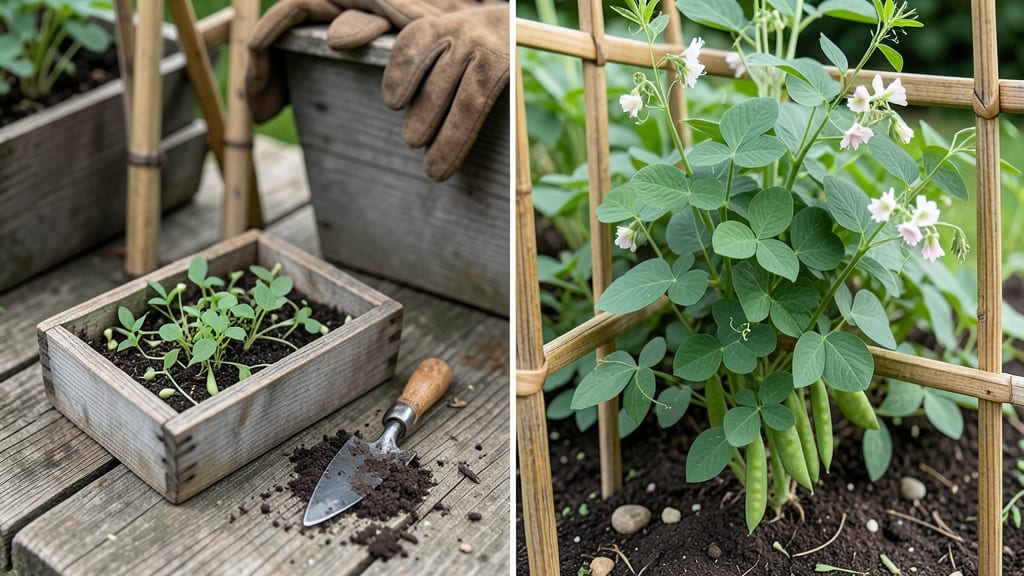
Planting English peas 🌱 at the wrong time in Zone 7 can mean the difference between a garden overflowing with sweet, crisp pods and a sad, empty trellis.
These cool-weather lovers need precise timing—too early, and frost will nip them before they sprout; too late, and summer heat will make them bolt before you even get a harvest.
I’ve learned the hard way that Zone 7’s microclimates play a huge role—what works in a sheltered corner might fail just a few feet away. The key is knowing when soil temperatures hit that sweet spot (40–85°F) and how to adjust for early vs. late varieties.
Whether you’re sowing in early spring or late summer, this guide will help you lock in the best yields.
Most gardeners miss the two ideal windows for pea planting in Zone 7: February–March for spring harvests and July–August for fall. But there’s more to it than just dates—soil prep, frost dates, and even companion planting can make or break your success.
Let’s break it down so you can plan like a pro.
By the end, you’ll know exactly when to plant, how to extend your harvest with succession sowing, and the common mistakes that kill pea yields in Zone 7. Ready to grow peas that outperform the neighbors’?
Zone 7 pea planting timeline: exact dates for fall and spring sowing
English peas are one of my favorite cool-season crops because they handle Zone 7’s unpredictable spring and fall temperatures like a champ. Unlike heat-loving veggies, peas thrive when soil temps hover between 40–85°F, making them perfect for early spring and late summer sowing.
But timing is everything—plant too early, and you risk frost damage; too late, and they bolt before producing pods. Let’s break down the exact planting windows that guarantee success.
In Zone 7, we have two prime planting opportunities: early spring (February–March) and late summer (July–August). The key is aligning your sowing dates with soil temperatures and frost risks.
For spring, aim to plant 4–6 weeks before your last frost date (typically around March 15 in most of Zone 7). For fall, sow seeds 8–10 weeks before your first frost (usually by early September). These windows ensure peas mature before extreme heat or cold sets in.
| Planting Window | Ideal Soil Temp | Frost Risk | Pea Variety | Harvest Window |
|---|---|---|---|---|
| Early Spring (Feb–Mar) | 40–55°F | Low (after last frost) | Sugar Snap, Lincoln | May–June |
| Late Winter (Jan) | 35–45°F | High (use row covers) | Early varieties (e.g., 'Oregon Sugar Pod') | April |
| Late Summer (Jul–Aug) | 65–80°F | None (before heat peaks) | Wando, Alderman | Oct–Nov |
| Early Fall (Sep) | 50–65°F | Moderate (use mulch) | Green Arrow, Tom Thumb | Oct–Nov |
For spring planting, I start seeds indoors 6–8 weeks before the last frost to get a jump on the season. Harden them off and transplant seedlings when soil temps hit 40°F.
If you’re sowing directly, wait until soil warms to 50°F—cold soil can delay germination. Pro tip: Use a soil thermometer to track temps; peas won’t germinate below 40°F.
In late summer/fall, the goal is to beat the heat and early frosts. Sow seeds when daytime highs drop below 85°F—any hotter, and they’ll bolt prematurely.
I’ve had great success planting Wando peas in early August; they mature just in time for a late fall harvest before the first frost hits in November. For a second fall crop, try dwarf varieties like Tom Thumb—they’re more cold-tolerant and perfect for container gardening.
Don’t overlook microclimate adjustments. If your garden sits in a frost pocket, delay spring planting by 1–2 weeks or use row covers to protect seedlings. Conversely, if you’re in a warmer microclimate (like near a south-facing wall), you might push spring planting 10–14 days earlier.
Always monitor your local frost-free date—Zone 7’s range is broad, and dates can vary by 2–3 weeks depending on elevation and latitude.
One mistake I see often is planting too deeply—peas need 1-inch-deep sowing max. If buried deeper, they struggle to emerge. Another is ignoring succession planting: Sow a second batch of seeds 2–3 weeks after the first to stretch your harvest.
For example, if you plant Sugar Snap peas on March 1st, follow up with another round on March 15th for a staggered yield.
Finally, soil prep is non-negotiable. Peas thrive in well-draining, slightly acidic soil (pH 6.0–7.5). Mix in compost or aged manure before planting to boost nitrogen levels—peas are legumes and fix their own nitrogen, but they still appreciate a nutrient-rich start.
Avoid fresh manure, though; it can burn tender roots.
With these precise planting windows and a little attention to soil temps, you’ll enjoy sweet, crisp peas from spring through fall in Zone 7. The secret? Paying close attention to your garden’s unique microclimate and adjusting your calendar accordingly. Happy planting! 🌱
How to extend pea harvests in Zone 7: successive planting strategies
English peas are one of my favorite cool-season crops because they reward patience with sweet, tender pods—but only if you plant them strategically. In Zone 7, where summers can be hot and winters mild, the key to continuous harvests lies in successive planting.
By sowing seeds every 2–3 weeks during optimal windows, you can enjoy fresh peas from early spring through fall, avoiding the dreaded "pea gap" when stores run out.
Most gardeners make the mistake of planting all their peas at once, only to face a 6–8 week harvest window before the vines bolt in heat. Instead, I’ve perfected a staggered approach that keeps my garden producing pods for months.
The secret? Understanding your microclimate and pairing peas with the right companions to maximize space and deter pests like aphids and pea weevils.
For my first planting in early March, I always choose cold-hardy varieties like 'Sugar Snap' or 'Oregon Sugar Pod', which tolerate light frosts. These varieties mature in 60–70 days, giving me a harvest just as spring transitions to summer.
The trick is to keep sowing every 2–3 weeks—this ensures that as one batch finishes, another is just starting to produce.
Don’t stop at summer! My fall planting in mid-August (about 8–10 weeks before first frost) gives me a second harvest window. I use 'Green Arrow' or 'Little Marvel' for their quick maturity (55–60 days) and cold tolerance.
These late-season peas thrive in cool autumn temperatures and often survive until November in Zone 7.
To maximize space and deter pests, I always plant peas with companion plants like carrots, radishes, and onions. These plants improve soil structure and confuse pests like aphids. For extra protection, I interplant nasturtiums—their peppery scent repels pea weevils while adding a pop of color to the garden.
A 3-foot trellis saves space and keeps pods clean and easy to harvest.
Remember, consistent moisture is key—peas hate drying out. I water deeply every 2–3 days in spring and summer, then reduce to once a week in fall. Mulching with straw helps retain moisture and keeps soil temperatures stable.
With these strategies, I’ve extended my pea harvest from 6 weeks to nearly 6 months—and you can too!