
Plants
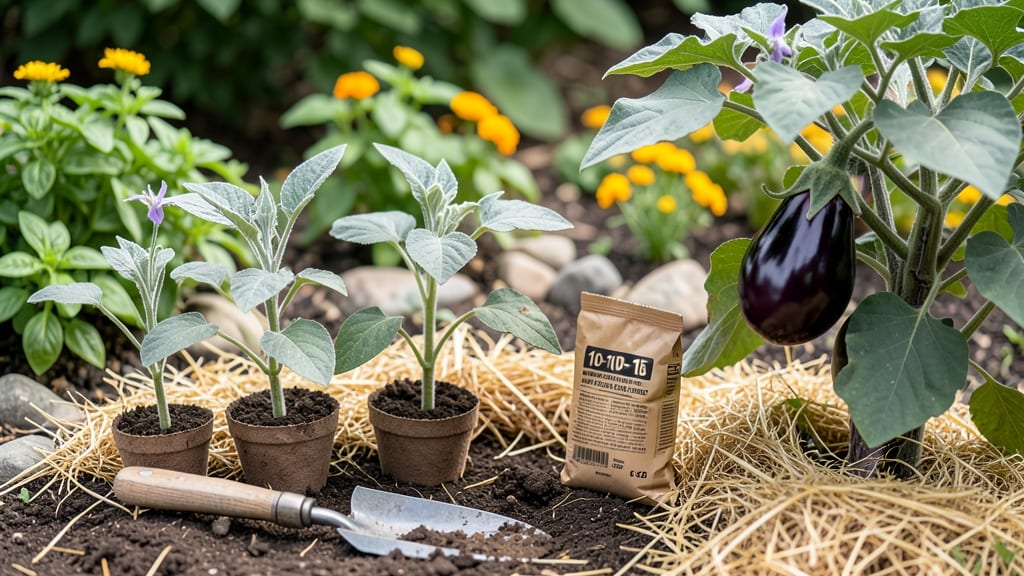
Timing your eggplant 🍆 planting in Louisiana isn’t just about avoiding frost—it’s about catching that sweet spot between 70°F soil and the 90°F+ heat that can stress your plants before they fruit. Skip the guesswork, and you’ll miss out on the juicy, glossy harvests that make summer meals special.
Here’s the secret: Louisiana’s long growing season means you’ve got two prime windows—spring and fall—but getting the timing wrong can mean bolting plants or stunted growth.
I’ll break down exactly when to plant for your specific zone, whether you’re starting seeds indoors or transplanting, and how to beat the heat with local tricks that actually work.
Most gardeners in 8a-9b zones swear by March-June for spring planting, but there’s a catch: waiting until soil warms up (after that last frost around mid-February) makes all the difference.
And if you’re aiming for a fall harvest, August-September is your shot—just don’t let those late-season hurricanes throw off your schedule.
Ready to grow eggplants that thrive despite Louisiana’s humidity and heat? Let’s dive into the exact deadlines, soil prep, and heat-management hacks that’ll turn your garden into a purple-fruit powerhouse—no more wasted efforts, just bountiful harvests from June to November.
Louisiana eggplant planting deadlines by heat Zone (with frost-free timing)
Timing your eggplant planting in Louisiana can feel like a high-stakes game of chance—one wrong move, and your plants might bolt before producing fruit. But with the right heat zone deadlines and frost-free timing, you can enjoy a bountiful harvest.
Louisiana spans USDA zones 8a-10a, meaning last frost dates and soil warmth vary dramatically between New Orleans and Shreveport. Let’s break it down so you can plant with confidence.
Eggplants thrive when soil temperatures stay above 70°F consistently, which typically happens after Louisiana’s average last frost dates in mid-March for southern regions and early April for northern areas. However, transplanting too early—even with warm soil—can still risk damage from late frosts.
The key is waiting until both the air and soil are reliably warm, usually 2-4 weeks after your region’s last frost date.
📌 PRO TIP: Use a soil thermometer to confirm temperatures. Eggplants won’t germinate well in cooler soils, and young transplants can suffer stunted growth if exposed to chilly nights. Aim for 70°F+ soil before planting.
Here’s a quick reference for Louisiana’s two main heat zones—New Orleans (Zone 9a) and Shreveport (Zone 8a)—including ideal transplant windows and frost-free timing:
For spring planting, transplant eggplant seedlings outdoors 2-4 weeks after your region’s last frost date. This gives young plants time to establish roots before the heat of summer arrives.
In Zone 9a (New Orleans), you can even start seeds indoors as early as February 15 for a jumpstart, but avoid transplanting before March 20 to prevent frost damage.
Don’t overlook fall planting—Louisiana’s mild winters allow for a second harvest! In Zone 9a, aim to transplant seedlings by August 1 for a fall crop.
By Zone 8a (Shreveport), wait until July 15 to ensure warm soil and enough time to mature before the first frost in December. Use black plastic mulch to extend the season by warming the soil faster.
One common mistake is rushing to plant as soon as the weather warms up. Eggplants are heat-loving but frost-sensitive, so always check your local frost-free date and monitor soil temperatures. If you’re in doubt, err on the side of waiting—your plants will thank you with bigger, healthier fruit.
For succession planting, sow new seedlings every 2-3 weeks during the ideal window to ensure a continuous harvest. This works especially well in Zone 9a, where the growing season is longer. Just be sure to harden off seedlings for 7-10 days before transplanting to reduce shock.
🌱 REMINDER: Eggplants need full sun (6-8+ hours daily) and well-draining soil with a pH of 6.0-6.8. Amend your soil with compost before planting to improve fertility and drainage—this is non-negotiable in Louisiana’s heavy clay soils.
How to extend eggplant’s growing season in Louisiana’s humid heat
Louisiana’s 90°F+ summers and high humidity can stress eggplants, causing blossom drop or stunted growth. But with the right strategies, you can extend your harvest into fall—and even squeeze in a second crop before winter.
The key? Choosing heat-tolerant varieties, protecting plants from extreme heat, and maintaining consistent moisture without drowning roots.
I’ve grown eggplants in USDA Zone 9a for years, and these proven tactics have helped me avoid fruit abortion and keep plants productive well past September’s heat waves. Start with shade cloth and mulching, then fine-tune your watering schedule to match Louisiana’s unpredictable rain patterns.
One of my biggest lessons learned? Don’t skip succession planting in late summer. By August 1st, I transplant heat-tolerant seedlings into prepared beds with mulch already in place. This gives me a second harvest just as fall temperatures drop, often yielding fruit until November.
For container gardening, opt for 5-gallon pots with well-draining soil and move them to shadier spots during heat waves. I’ve had success with ‘Fairy Tale’ eggplants—their compact size makes them ideal for balconies in New Orleans’ urban heat islands.
Remember: Consistency is key. Eggplants in Louisiana’s climate hate fluctuations—whether in temperature, water, or nutrition. Stick to these strategies, and you’ll enjoy glossy, homegrown eggplants long after your neighbors’ plants have bolted or wilted.