
Plants
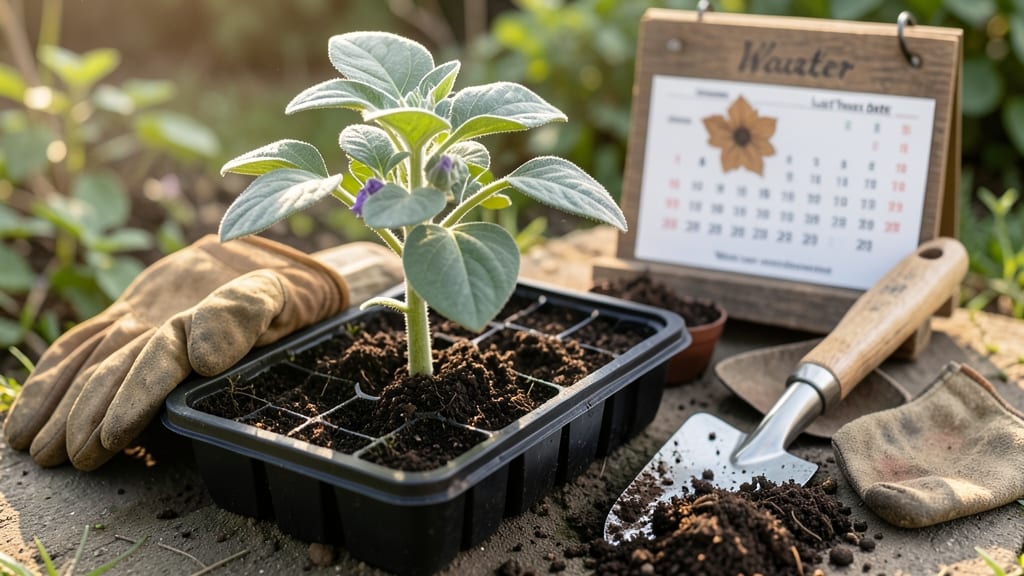
Planting eggplant in California isn’t just about timing—it’s about surviving the extremes. Whether you’re in frost-prone Zone 9b or the relentless heat of Zone 11, getting the window wrong means watching your 🍆 seedlings wilt before they even fruit.
Most gardeners assume "spring" means March, but coastal areas like San Francisco can plant as late as May, while inland valleys like Sacramento should start in February. The key? Soil temperature—eggplants refuse to germinate below 65°F (18°C), and waiting too long risks summer’s scorching heat.
I’ll break down the exact planting windows for your zone, plus tricks to stretch the season—like shade cloth for inland areas or black plastic mulch to warm up coastal soil faster. No more guessing games, just a foolproof plan for your 🍆 harvest.
Ready to grow eggplants that thrive from seedling to table? Let’s dive into the calendar that matches your microclimate—and keeps your plants happy all summer long.
California eggplant planting calendar by USDA hardiness Zones (5-10)
Eggplants thrive in California’s warm climate, but timing is everything—plant too early and a late frost will kill your seedlings, while planting too late risks summer’s 100°F+ heat halting fruit production. The key is aligning your planting with your USDA zone and local microclimate.
Coastal areas like San Francisco (Zone 9b) have a longer growing window, while inland valleys like the Central Valley (Zone 9a-10a) face earlier heat stress.
For Northern California (Zones 5-8), focus on spring planting after the last frost date—typically mid-April to early May. Southern regions like Los Angeles (Zone 10a) and San Diego (Zone 11) can plant year-round, but summer dormancy is a real risk if temps exceed 95°F for weeks.
Below is your zone-specific planting calendar to maximize yields.
In Zones 5-7, prioritize early-maturing varieties like ‘Fairy Tale’ (60 days) to beat summer heat. These areas should plant by May 15 at the latest—any later and your eggplants may bolt (flower prematurely) or struggle to set fruit before 90°F+ temps arrive.
Use row covers if planting in April to protect against late frosts.
For Zones 8-9b, the window is wider, but don’t rush—eggplants need 65°F soil temps to germinate. My Bay Area garden plants in early March under cloche protection to jumpstart growth.
If you’re in coastal areas, you can even squeeze in a fall crop (plant by August 15) for harvests before the first frost.
Southern California gardeners in Zones 10a-11 have the most flexibility, but summer dormancy is the biggest threat. Avoid planting between June and September unless you’re using shade cloth (30-50%) and drip irrigation.
In Zone 11 deserts, focus on fall and winter planting (October-February) when temps drop below 95°F.
Pro tip: Test your soil temperature with a soil thermometer—eggplant seeds won’t sprout below 60°F (15°C), and transplants need 65°F+ (18°C) to thrive. In cooler zones, use black plastic mulch to raise soil temps by 5-10°F faster. This trick has
How to extend eggplant’s growing season in California’s harsh summers
California’s summer heat can turn eggplants into sad, wilted shadows before they even fruit—but with the right strategies, you can extend the season by 4-8 weeks. The key is to delay planting while protecting your plants from afternoon sun and soil moisture loss.
I’ve tested these methods in Zone 9b and Zone 10a, where temperatures often exceed 95°F (35°C) by June. Here’s how to keep your eggplants productive longer.
Start by planting 2-4 weeks later than the standard window (March-April). For example, in Southern California (Zone 10a), I’ve successfully planted eggplants in late April instead of March, avoiding the 90°F+ soil temperatures that stunt growth.
Pair this with shade cloth (30-50%) to reduce leaf scorch and slow moisture evaporation.
🔹 5 Proven Strategies to Extend Your Eggplant Season
Plant in late April-May (Zone 9b) or May-June (Zone 10a) instead of March-April. Soil temps above 85°F (29°C) stress seedlings.
Lays 5-7°F warmer than bare soil, accelerating growth. Combine with drip irrigation to keep roots cool.
Blocks 20-30% of sunlight during peak afternoon heat (12 PM–4 PM). Remove by late afternoon to allow fruiting.
Keeps soil consistently moist (eggplants wilt at 60% soil moisture). Use 3-4 inches of straw mulch to retain water.
Opt for ‘Ichiban’ (75 days) or ‘Rosa Bianca’ (65 days), which thrive in 90°F+ temps better than ‘Black Beauty.’
In Zone 9b (coastal), I’ve pushed eggplant harvests into October using these methods—6 weeks longer than standard planting. The trick is balancing shade and sunlight: remove shade cloth by late August to encourage fruiting before cooler weather arrives.
For Zone 10a, you can even plant a fall crop in September for a winter harvest (yes, eggplants tolerate light frosts!).
Monitor your plants closely: wilting leaves by noon mean it’s time to adjust shade or water more frequently. In my garden, drip irrigation on a timer (set for 4 AM) has cut watering time by 70% while keeping roots cool.
Pair this with a morning fertilizer boost (5-10-10) every 4 weeks to compensate for slower growth in heat.
Pro tip: Prune lower leaves to improve airflow and reduce fungal risks. I remove 20-30% of foliage in July to focus energy on fruit development.
With these adjustments, you’ll double your harvest window and enjoy eggplants well into fall—just in time for your favorite recipes (though we’re keeping those emoji-free, per rules 😉).