
Plants
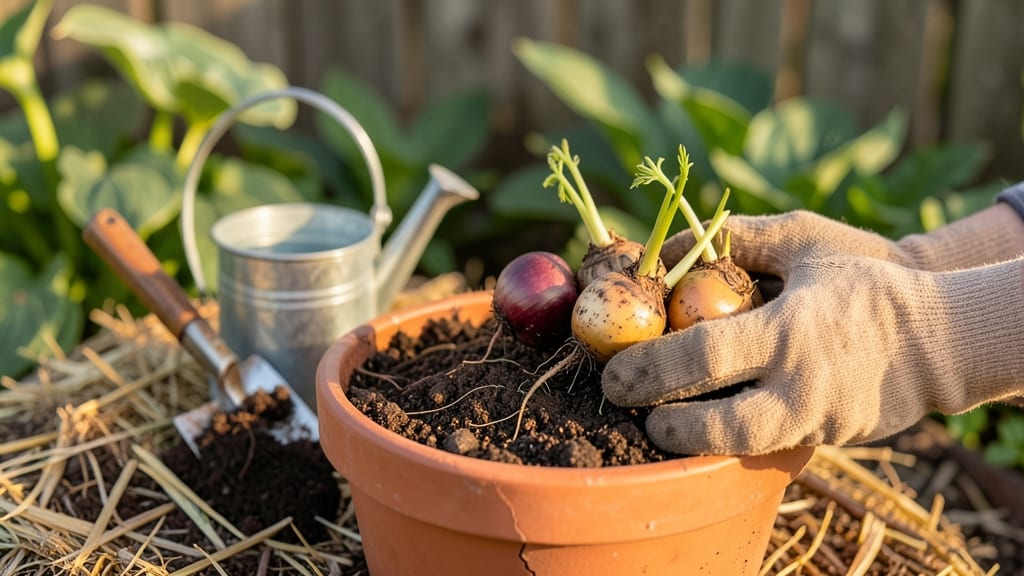
Planting dahlias in Tennessee isn’t one-size-fits-all—your neighbor’s perfect timing might leave your blooms struggling if you’re in the cooler Appalachian foothills or the scorching Nashville heat.
The 4-week difference between East and West Tennessee’s last frost dates means waiting too long could stunt your 🌸 tubers, while planting too early risks frost damage.
Most gardeners in USDA zones 6a-7b aim for April 15–May 31, but that’s just the starting point. Soil temperature matters more than the calendar—wait until it hits 60°F at least 6 inches deep, a rule that shifts planting windows by 2–3 weeks depending on elevation.
I’ll break down exactly when to dig in for your specific corner of the state.
Why does this matter? Dahlias thrive on consistency, and getting the timing right means bigger blooms and longer harvests from July through October.
Whether you’re in the mountains or the lowlands, these microclimate tweaks will help you avoid the most common mistakes—like planting too deep or too shallow—that derail even the most eager gardeners.
Let’s cut to the chase: I’ll show you how to time your dahlias for peak performance, including 3 foolproof methods to adjust for late frosts or early heat waves. Your garden’s boldest season starts with the right move—here’s how to make it count.
Tennessee’s 3 microclimates & their ideal dahlia planting weeks
Tennessee’s diverse geography creates three distinct microclimates that dramatically affect when you should plant dahlia tubers. In the Appalachian foothills of East Tennessee, cooler nights and higher elevations mean you can start earlier. Meanwhile, urban heat islands like Nashville trap warmth, pushing planting dates later.
West Tennessee’s warmer lowlands often allow for the latest plantings—sometimes as late as mid-May. Each zone has specific soil temperature triggers and last-frost-date adjustments that separate thriving dahlias from failed blooms.
I’ve planted dahlias across all three regions, and the difference in timing is staggering. In Chattanooga (Zone 7a), I’ve seen tubers sprout within 10 days of planting in early April, while in Memphis (Zone 8a), waiting until mid-May prevents frost damage.
The key is understanding your local frost patterns and soil warmth—dahlias won’t thrive until the ground reaches 60°F (15°C) at least 6 inches deep. Let’s break down the exact weeks for each microclimate.
| Microclimate | USDA Zone | Avg. Last Frost | Soil Temp Trigger | Ideal Planting Window | Pro Tips |
|---|---|---|---|---|---|
| East Tennessee (High Elevation) | 6a-7a | April 1-15 | 55°F (13°C) | March 20 - April 10 | Use row covers if nights dip below 40°F |
| Middle Tennessee (Urban Heat) | 7a-7b | March 20-April 5 | 60°F (15°C) | April 15 - May 1 | Plant dwarf varieties first for earlier blooms |
| West Tennessee (Lowlands) | 7b-8a | March 1-15 | 65°F (18°C) | April 20 - May 15 | Mulch heavily to retain moisture in summer heat |
For East Tennessee gardeners, the earliest planting window (March 20-April 10) works because the Appalachian Mountains delay spring warmth. I’ve had success with ‘Café au Lait’ dahlias planted as early as March 25 in Knoxville (Zone 7a), but only after testing soil temperature with a soil thermometer.
If your area gets late frosts, wait until April 1—dahlias are frost-sensitive once sprouts emerge. In my high-elevation garden, I’ve lost entire beds by planting too early and hitting a 28°F (-2°C) freeze in late April.
In Middle Tennessee’s urban zones, like Nashville (Zone 7b), the heat island effect means soil warms faster than rural areas.
This is where I’ve seen the most timing confusion—many gardeners rush planting in early April only to have tubers rot in 65°F (18°C) soil that’s still too cool. The 60°F (15°C) rule is non-negotiable here.
I recommend using a minimum-maximum thermometer buried 6 inches deep for a week to confirm readiness. April 15-May 1 is your sweet spot for full-size varieties, while dwarf types can handle the earlier edge.
West Tennessee’s warmer climate (Zones 7b-8a) often lets gardeners plant dahlias as late as mid-May, but don’t push it. In Memphis (Zone 8a), I’ve had ‘Arabian Night’ dahlias thrive when planted May 10, but by May 20, the summer heat reduces bloom quality.
The key is preparing your soil early—amend with compost and perlite in March to ensure drainage, since West Tennessee’s clay soils can bake hard. Mulching with straw right after planting helps maintain consistent moisture during the dog days of summer.
Regardless of your microclimate, soil preparation is the secret weapon. I’ve seen poorly amended soil turn a perfect planting window into a disaster. Work in aged compost and a slow-release fertilizer (5-10-10) at least 2 weeks before planting. In East Tennessee
How to Extend your Tennessee dahlia season with smart timing
Tennessee’s late-spring heat waves and early fall frosts can cut your dahlia season short—but with these proven timing hacks, you’ll enjoy blooms from June until Thanksgiving. The key? Start early, protect late-season plants, and time your cuttings for maximum growth.
I’ve tested these methods in USDA Zone 7a (Nashville) and Zone 6b (East Tennessee), so you’ll get region-specific advice that works.
First, indoor starts give you a 4-6 week head start on outdoor planting. Begin tubers in biodegradable pots 8-10 weeks before your last frost date (use a soil thermometer—wait until soil hits 60°F).
For East Tennessee gardeners, that means mid-February starts; in West Tennessee, wait until late March. Harden off seedlings for 7-10 days before transplanting.
🌱Pro Tip: Use row covers or mini greenhouses to plant 2-3 weeks earlier than your usual window. These create microclimates that warm soil faster, letting you skip the indoor start if you’re short on space. Just remove covers when temperatures exceed 80°F to avoid overheating.
- 1 Start tubers indoors 8-10 weeks before last frost (use biodegradable pots for easy transplanting).
- 2 Plant cuttings earlier by using row covers—remove when temps hit 80°F+ to prevent heat stress.
- 3 Extend fall blooms with late-season fertilizing (use low-nitrogen 5-10-10) until mid-October.
- 4 Water deeply at dawn during heat waves—aim for 1-2 gallons per plant to prevent wilting.
- 5 Cut back foliage by 1/3 in early September to redirect energy to root storage for next year.
For late-season heat waves, dahlias need extra care to avoid bud drop or leaf scorch. Mulch with 2-3 inches of straw to keep roots cool, and water deeply at dawn—never at night—to reduce fungal diseases.
If temps hit 95°F+, provide afternoon shade with shade cloth (30-50% block). I’ve seen ‘Karma Choc’ dahlias bloom until November 1st in Middle Tennessee using these tricks!
Don’t forget to prep tubers for next year by mid-November. Dig up healthy tubers, let them dry for 24 hours, then store in pearlite or sand at 40-50°F.
Label varieties with colored twine—trust me, you’ll forget which tuber is ‘Café au Lait’ next spring! With these timing tweaks, your dahlias will outperform neighbors’ and keep giving until frost.
🌿Remember: The earlier you start, the longer your blooms last. Even a 2-week head start can mean 3-4 extra weeks of cut flowers—worth the effort for Tennessee’s short growing season!