
Plants
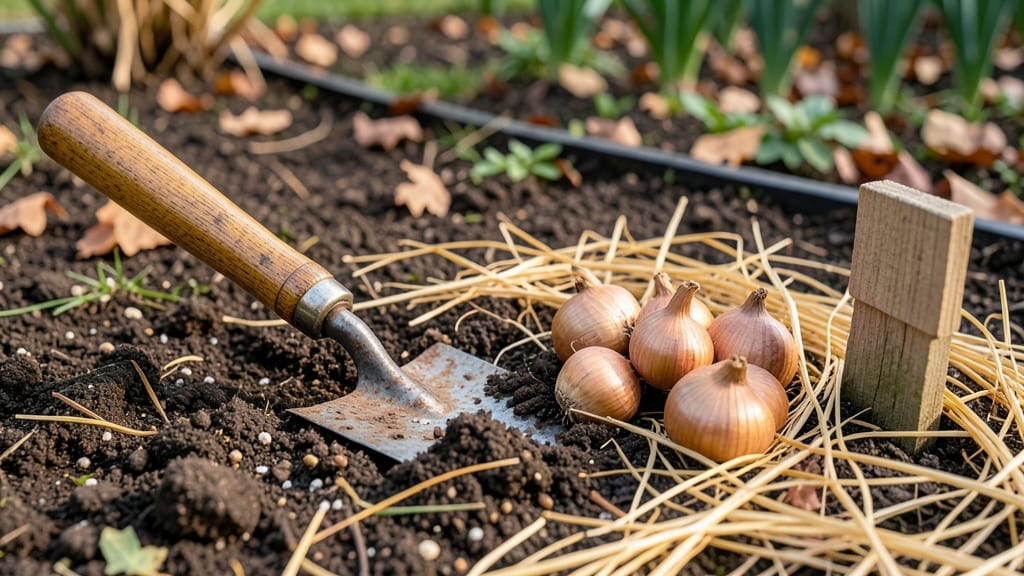
Planting daffodil bulbs at the right time in fall is the secret to those cheerful 🌼 blooms greeting you every spring—but get it wrong, and you might end up with nothing but disappointment.
The key lies in that magical 6-8 week window before your first frost, when soil temperatures drop just enough to signal the bulbs it's time to settle in.
I've learned the hard way that timing isn't just about throwing bulbs in the ground before winter hits. Too early, and you risk rot; too late, and your daffodils might never bloom.
In USDA Zone 6a, that means aiming for late September through early October, but your exact window depends on local conditions. Let me walk you through how to calculate your perfect planting date and why fall is the only season that works.
What makes fall planting so special? It's all about giving those bulbs time to establish roots before the ground freezes solid. When you plant at the right moment, you're setting up your daffodils for a stronger start next spring.
I'll share my proven method for preparing your soil, choosing the perfect spot, and even dealing with those pesky squirrels who love to dig up fresh bulbs.
Ready to transform your garden into a springtime paradise? By the end of this guide, you'll know exactly when to plant, how deep to bury those bulbs, and what to do after they're in the ground to ensure perfect blooms year after year.
Let's get those daffodils in the ground the right way!
The 6-8 week rule: exact timing for planting daffodil bulbs by region
Planting daffodil bulbs too early or too late can mean the difference between a vibrant spring display and wasted effort. The 6-8 week rule ensures bulbs establish roots before winter—without sprouting prematurely.
This window balances soil temperature (below 60°F) and frost timing, but exact dates vary by USDA zone.
Your first frost date is the anchor: count backward 6-8 weeks to land in your ideal planting window. For example, if frost hits November 15, aim for September 24–October 15.
But regions with warmer falls (like Zone 8+) may need to plant earlier to avoid summer heat stress.
Soil temperature matters more than air temperature. Use a soil thermometer to confirm 50–60°F—this triggers root growth without waking the bulb too soon. Cooler soils (below 50°F) delay planting, while warmer soils (above 60°F) risk premature sprouting.
Here’s your region-specific planting calendar, tailored to common USDA zones. Adjust based on your local frost history—check Almanac.com for precise dates.
| USDA Zone | Ideal Planting Window | Soil Temp Goal | Key Considerations |
|---|---|---|---|
| Zones 3–5 (Cold Climates) | October 1–15 | 50–60°F | Wait for ground freeze risk; mulch after planting. |
| Zones 6–7 (Temperate) | September 15–October 1 | 55–60°F | Plant early to avoid summer heat; monitor for vole damage. |
| Zones 8–9 (Mild Winters) | August 15–September 15 | 60–65°F | Plant in late summer to prevent premature sprouting. |
| Zone 10+ (No Frost) | June–July (or fall) | 65–70°F | Plant in cool season; avoid drought stress. |
If you miss the window, don’t panic. Early planting (before soil cools) can cause rot, while late planting (after ground freezes) may leave bulbs vulnerable to frost heave. Aim for the sweet spot where roots establish but tops stay dormant until spring.
Pro tip: Use a planting calendar app like Gardenate or Farmers’ Almanac to sync with your local frost dates. These tools factor in historical data to refine your timeline. For example, Zone 6 gardeners might shift from September 20 to October 5 if early frosts are predicted.
Adjust for microclimates too. A south-facing slope warms faster than a north-facing bed, so plant the slope 1–2 weeks later. Similarly, container gardens cool quicker—plant these 2 weeks earlier to compensate.
Once planted, mulch heavily (4–6 inches) with straw or shredded leaves to insulate bulbs. This buffer protects against temperature swings and frost heave, ensuring roots stay snug until spring. Remove mulch in early spring to allow leaves to photosynthesize.
Remember: Daffodils thrive on patience. The 6-8 week rule isn’t rigid—it’s a guideline. Trust your soil thermometer, monitor weather forecasts, and adjust as needed. With the right timing, your bulbs will reward you with bold, early spring blooms year after year.
🌼
Signs your daffodil bulbs are ready to plant (and what happens if you’re wrong)
Knowing when your daffodil bulbs are ready to plant is the key to avoiding weak blooms or wasted effort. Bulbs stored properly will show clear signs of readiness—like firmness and early root growth—while those planted too early or late face serious risks.
Let’s explore the critical indicators and what happens if you miss the window.
First, check the bulb firmness. Ready bulbs should feel solid and heavy for their size, with no soft spots or wrinkled skin. When you gently squeeze, they should resist slightly—like a ripe avocado.
If they feel mushy or hollow, they’ve likely dried out or started rotting, making them unsuitable for planting.
Next, look for root growth. Healthy bulbs will develop small, white roots at the base (bottom). These roots signal the bulb is waking up from dormancy and preparing to grow.
If your bulbs lack roots but still feel firm, they may need a few more weeks of storage in a cool, dark place before planting.
⚠️ WARNING: Planting Too Early or Too Late ⚠️
- Planting too early: Warm soil (above 60°F) triggers premature growth, leaving bulbs vulnerable to frost damage or rot when temperatures drop.
- Planting too late: Frozen ground prevents root establishment, causing bulbs to enter dormancy failure or produce weak, sparse blooms next spring.
- Ignoring storage conditions: Bulbs stored in humid or warm environments may sprout early, making them unusable for fall planting.
Storage conditions matter just as much as timing. Bulbs should be kept in a cool (40-50°F), dry, and well-ventilated space—like a garage or basement—until you’re ready to plant. If stored in a humid environment, bulbs can develop mold or rot, ruining them before they even hit the soil.
For regional adjustments, aim to plant when your soil temperature consistently stays below 60°F for at least a week. In USDA Zones 3-5, this typically means mid-September to early October. In warmer Zones 7-9, wait until late October or November to avoid early sprouting.
If you plant bulbs that aren’t fully ready, you risk stunted growth or even bulb death. For example, bulbs with no root growth may struggle to establish roots before winter, while those with excessive sprouts (from poor storage) can’t survive frost.
Always prioritize firm bulbs with roots and the right soil temperature for the best results.
With the right timing and bulb condition, your daffodils will reward you with bold, vibrant blooms next spring—proof that patience and preparation pay off in the garden! 🌼