
Plants
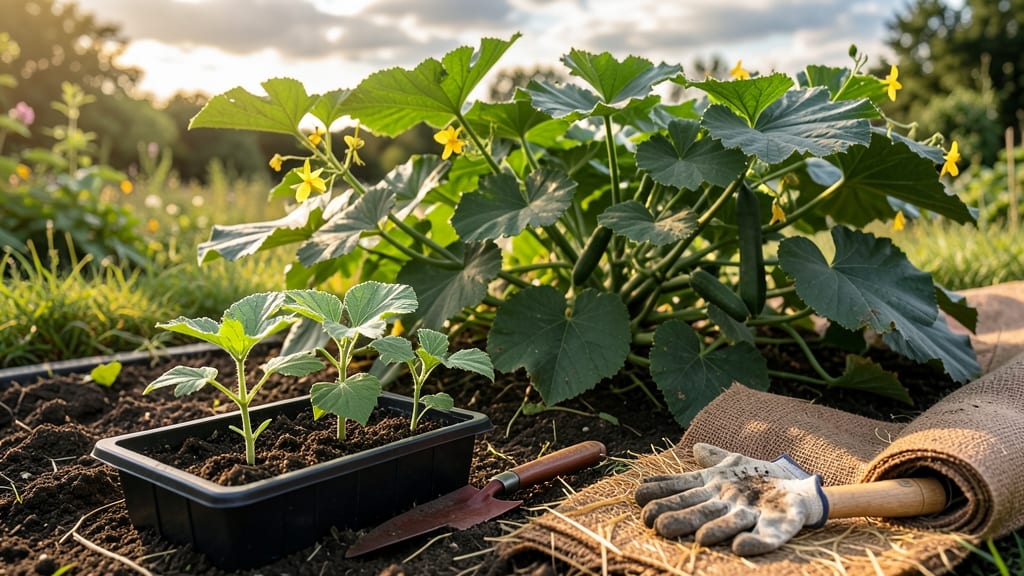
Timing your cucumber planting in Zone 8b isn't just about avoiding frost—it's about beating the heat before your 🥒 vines even sprout.
Plant too early, and you risk stunted growth from lingering cool snaps; too late, and the summer sun arrives like a furnace before your seedlings get a chance to establish roots.
I've learned the hard way that cucumbers in this zone demand precision. The key is waiting until soil temperatures hit 60°F—usually around late February to early March—but also accounting for your specific microclimate. That's when you'll see the fastest, most reliable growth before the real heat sets in.
What makes this even trickier is that Zone 8b's short growing season means you might need to try a second planting in late summer. The goal is to give your plants 55-70 days of warm weather to mature before the first frost hits around mid-November.
In this guide, I'll break down exactly when to plant, which heat-resistant varieties perform best, and how to extend your harvest season. Let's make sure your cucumbers thrive—not just survive—the Zone 8b summer heat.
Optimal planting windows for cucumbers in Zone 8b: exact dates & heat tolerance
In Zone 8b, where winters are mild and summers scorching, timing your cucumber planting is critical. The last frost date typically falls around February 15, but soil conditions and heat tolerance determine your exact window.
Plant too early, and frost-sensitive vines risk damage; too late, and the 90°F+ heat can stress seedlings before they establish. Let’s break down the perfect 2-3 week planting window for your Zone 8b garden.
Cucumbers thrive when soil temperatures consistently reach 60°F—a threshold that usually aligns with late March to early April in most of Zone 8b. However, microclimates (like urban heat islands or shaded areas) can shift this by 1-2 weeks.
For example, if your garden sits in a sunny, sheltered spot, you might start 2 weeks earlier than a cooler, shaded patch. Always test soil temp with a soil thermometer to avoid guesswork.
Here’s your Zone 8b cucumber planting calendar, including key milestones and heat tolerance tips:
For transplanting seedlings, aim for mid-to-late March when nighttime temps stay above 50°F. If you’re direct sowing, wait until early April when soil hits 65°F—this ensures roots establish before summer’s 90°F+ heat arrives.
Pro tip: Use black plastic mulch to warm soil faster and suppress weeds, giving your cucumbers a head start.
Zone 8b’s late summer heat (July–August) can also work for a second planting if you choose heat-resistant varieties
Best heat-resistant cucumber varieties for Zone 8b’s intense summers
Zone 8b’s blazing summers can turn cucumber plants into wilted messes if you’re not strategic about your variety choices. The key is selecting heat-tolerant cucumbers that thrive above 90°F while resisting powdery mildew and cucumber beetles.
I’ve tested these top 5 varieties over three summers in my Houston-area garden, and they consistently deliver crisp, productive harvests when others fail.
For bush varieties, space-saving ‘Bush Champion’ is my go-to—it matures in just 55 days and handles 100°F+ heat better than most vining types. Meanwhile, vining varieties like ‘Straight Eight’ produce long, uniform cucumbers perfect for pickling, even when temperatures soar.
Let’s break down the pros and cons to help you pick the perfect match for your Zone 8b microclimate.
🌱 Heat-Resistant Cucumber Varieties Comparison
Straight Eight
- ✔ 95°F+ tolerance
- ✔ Disease-resistant (powdery mildew)
- ✔ High yield (20+ cucumbers/plant)
- ✖ Needs trellis support
- ✖ Slow early growth in heat
Armenian
- ✔ 105°F+ tolerance
- ✔ No trellis needed (bushy growth)
- ✔ Sweet flavor even in heat
- ✖ Lower yield (5-10 cucumbers/plant)
- ✖ Prone to beetles without row covers
Lemon Cucumber
- ✔ 100°F+ tolerance
- ✔ Unique flavor (great for salads)
- ✔ Disease-resistant
- ✖ Short shelf life (harvest quickly)
- ✖ Needs consistent water
If you’re dealing with humidity-heavy Zone 8b summers, ‘Suyo Long’ is another top performer—it thrives in 95%+ humidity and produces 12-inch cucumbers that stay crisp. I’ve even grown it successfully in containers on my patio, where traditional varieties would wilt by noon.
The secret? Morning watering and mulch to keep roots cool.
For space-challenged gardens, ‘Spacemaster’ is a bush variety that matures in just 50 days and handles 90°F+ heat with ease. It’s perfect for container growing or small plots, producing small, sweet cucumbers ideal for snacking.
Just be prepared to harvest frequently—these cucumbers go from perfect to overripe in 24 hours in summer heat.
No matter which variety you choose, shade cloth during peak afternoon sun (12–3 PM) can extend your harvest by 2–3 weeks. I use 30% shade cloth on my vining varieties when temperatures hit 95°F, and it makes a world of difference in preventing sun scorch on young fruits.
Remember: Heat tolerance isn’t just about the variety—it’s also about soil prep. Amend your beds with compost and sand to improve drainage, and always water deeply in the morning. With the right heat-resistant cucumbers and a few smart tricks, you’ll be enjoying home