
Plants
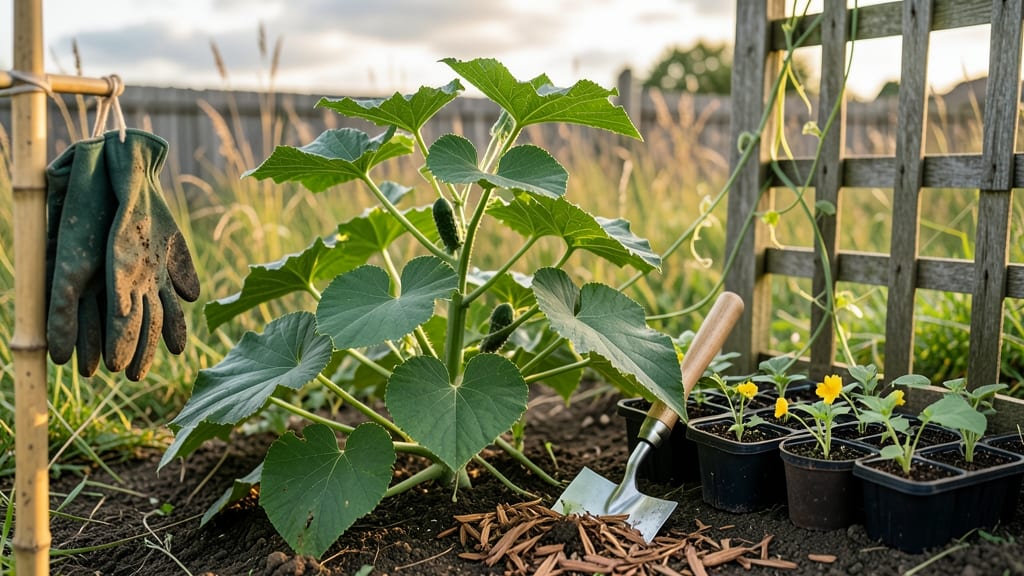
Planting cucumbers 🥒 in Zone 6 at the wrong time means either frost-killed vines or a summer harvest that never arrives. The secret to a productive harvest lies in knowing the exact weeks before your last frost when soil warmth and frost-free days align perfectly.
Most gardeners in Zone 6 (6a-6b) wait until mid-April to early June—but that’s just the starting point. The real magic happens when you time your planting to match soil temperatures of at least 60°F, ensuring your vines thrive from day one.
Whether you’re direct-sowing seeds or transplanting starts, getting this right means the difference between a few sad cucumbers and a garden overflowing with them.
I’ll walk you through the precise planting schedule, including how to adjust for late frosts, the best varieties for Zone 6’s shorter season, and pro tips to extend your harvest well into September. No more guessing—just a foolproof plan for cucumbers that grow fast and taste even better.
Ready to turn your garden into a cucumber powerhouse? Let’s get started with the timing that actually works in your climate.
Optimal planting weeks before last frost in Zone 6 for maximum yield
Cucumbers thrive in Zone 6 when planted at the right time—typically 4-6 weeks before your last frost date. This window ensures warm soil and air temperatures while avoiding late frosts that can devastate tender seedlings.
For most Zone 6 gardeners, this translates to mid-April to early May, but your exact date depends on your local microclimate and historical frost patterns.
To pinpoint your planting window, check the USDA Plant Hardiness Zone Map for your specific location (Zone 6a or 6b). Subtract 4-6 weeks from your average last frost date—for example, if frost typically occurs April 15th, aim for March 15th to March 25th planting.
Use local weather records or tools like the Almanac’s Frost Calculator for precision.
Soil temperature is just as critical as air temperature. Cucumbers won’t germinate well in cold soil—wait until it reaches at least 60°F (15°C). A soil thermometer is your best tool here. If your soil is still chilly, use black plastic mulch to warm it faster (it can raise soil temps by 5-10°F within days).
For direct sowing (planting seeds straight into the garden), the 4-6 week window is ideal because cucumbers germinate quickly (5-10 days) in warm soil.
However, if you’re transplanting seedlings, start them indoors 3-4 weeks before your target outdoor date. Seedlings need 4-6 weeks of indoor growth before hardening off.
Not all cucumber varieties thrive equally in Zone 6’s short growing season. Early-maturing varieties (like ‘Straight Eight’ or ‘Marketmore’) should be planted on the earlier side of your window (closer to 6 weeks before frost), while late-season varieties (like ‘Lemon Cucumber’) can go in 3-4 weeks before frost.
Aim for varieties with 50-60 days to maturity for the best chance of harvest before fall frosts.
Here’s a quick reference for your Zone 6 cucumber planting schedule, including soil temps, frost risk, and variety recommendations:
Avoid planting cucumbers too early—even if your soil is warm, a late frost can wipe out your crop. I’ve seen tender seedlings killed by 28°F (-2°C) temperatures, and cucumbers won’t recover.
If you’re unsure about your frost date, err on the later side of the window or use row covers for added protection.
For succession planting in Zone 6, sow a second batch 2-3 weeks after your first planting. This extends your harvest window and ensures a steady supply of fresh cucumbers. Choose fast-maturing varieties (like ‘Early Girl’) for this second round, as they’ll need to produce quickly before fall cools down.
Pro tip: If your Zone 6 summer arrives early (which it often does), consider shade cloth (30-50%) to protect cucumbers from heat stress. High temperatures can lead to bitter fruit or poor pollination. Mulch heavily with straw to retain moisture and keep roots cool.
Finally, always monitor your local weather forecasts in the weeks leading up to planting. A sudden cold snap can delay your schedule, so stay flexible.
With the right timing and a little preparation, you’ll enjoy homegrown cucumbers from late June through September—just in time for fresh salads and pickles! 🥒
How to adjust planting for Zone 6’s unpredictable spring weather patterns
Zone 6’s unpredictable spring can turn your cucumber dreams into a gamble—one day’s warmth followed by a killing frost in the next week. I’ve learned the hard way that flexibility and protective strategies are key to saving your plants.
The average last frost date in Zone 6 is mid-April, but cold snaps can linger until May 15 or later, depending on your microclimate. Even after the official frost date, nighttime temps can dip into the 40s°F, which stunts young cucumber seedlings.
To mitigate these risks, I’ve adopted a multi-layered approach that combines season extension tools, succession planting, and microclimate awareness. For example, my south-facing garden bed warms up faster than the north side, so I plant cucumbers there 2-3 weeks earlier.
Meanwhile, I use black plastic mulch to raise soil temperatures by 5-10°F, creating a warmer environment for germination. These small adjustments have helped me extend my harvest window by nearly a month.
⚠️ Critical Warning: Late Frosts Are the #1 Threat to Cucumbers in Zone 6
Even after your last frost date, late frosts can occur—especially in Zone 6a. Cucumber seedlings won’t survive temps below 50°F. Wait until nighttime lows consistently stay above 55°F before planting. Use a minimum-maximum thermometer in your garden to track temps accurately. If frost is forecasted, cover plants with frost blankets or row covers immediately after sunset.
One of my most effective tools is row covers, which I drape over seedlings to create a 3-5°F warmer microclimate. I’ve used floating row covers (like Reemay fabric) to protect young plants during unpredictable cold snaps in late April and early May.
These covers also shield cucumbers from pests like cucumber beetles while allowing sunlight and water to penetrate. For extended protection, I combine row covers with hoop houses made from PVC pipes and clear plastic, creating a mini greenhouse effect that can push planting back by 2-3 weeks if needed.
Another strategy I swear by is succession planting. Instead of planting all my cucumbers at once, I stagger them in 2-week intervals from late May through early June.
This ensures a continuous harvest and reduces the risk of losing your entire crop to a single late frost or heatwave. For example, I plant 50% of my seeds in late May, another 30% in early June, and the final 20% in mid-June.
This method also helps me manage space efficiently and avoid overcrowding as vines mature.
Black plastic mulch is another game-changer for Zone 6 gardeners. By laying down 1-2 mil black plastic 2-3 weeks before planting, I raise soil temperatures by 10-15°F, which speeds up germination and extends the growing season by 10-14 days. The mulch also suppresses weeds and retains moisture, reducing my watering frequency by 30%. I cut X-shaped slits in the plastic where I’ll plant cucumbers to prevent overheating at the soil surface. Pro tip: Remove the mulch once vines start running to prevent root rot from excess heat.
Don’t overlook microclimates in your garden. A south-facing wall, paved area, or even a hillside can create pockets of warmth that are 5-10°F warmer than the rest of your yard.
I’ve planted cucumbers against my brick patio in early May and had successful germination while other areas were still too cold. Use a soil thermometer to identify these spots and prioritize planting there.
If you’re unsure where your warmest areas are, try planting test rows of fast-growing radishes or lettuce in different locations to see where they thrive earliest.
Finally, choose cucumber varieties that tolerate cooler temperatures if you’re pushing the limits of your growing season. Varieties like ‘Straight Eight’ or ‘Marketmore 76’ are more frost-tolerant than heat-loving types like ‘Lemon Cucumber’. I also recommend bush varieties, which mature faster and require less space than vining types.
Pair these with early-maturing seeds (those labeled 55-65 days to harvest) to maximize your chances of a successful crop before summer heat sets in.