
Plants
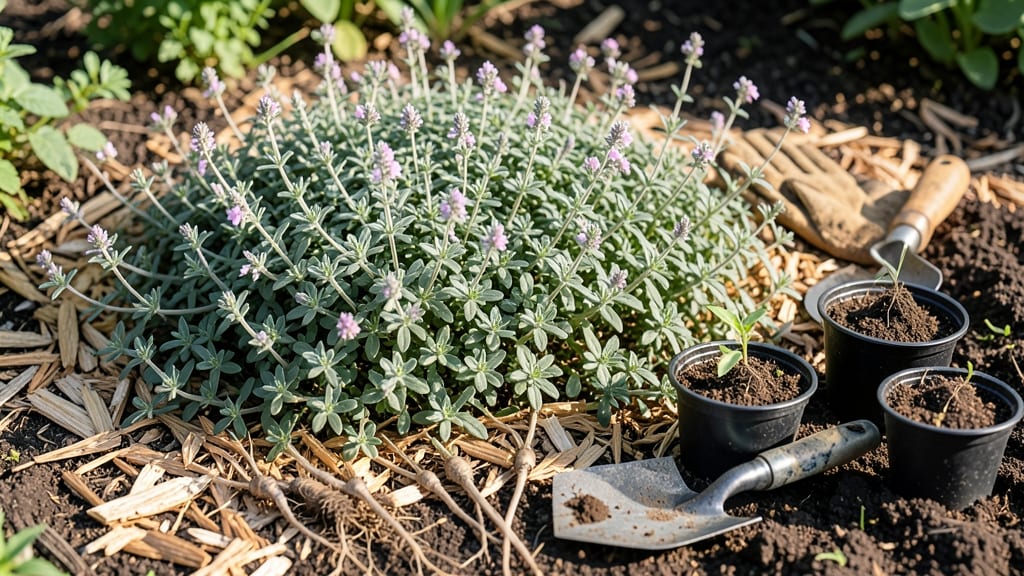
Planting creeping thyme at the wrong time in Colorado can mean the difference between a lush, fragrant ground cover and a struggle to keep it alive through our unpredictable spring frosts or scorching summers.
This hardy little herb thrives in zones 5-8, but Colorado's elevation shifts and sudden weather swings demand precise timing to give your 🌿 its best start.
Most gardeners assume spring is the only option, but early fall planting actually gives creeping thyme a head start before winter sets in.
With last frost dates varying wildly from April 15 in Denver to weeks later in the mountains, knowing exactly when to plant becomes the key to avoiding transplant shock and ensuring year-round coverage.
Whether you're transforming rocky slopes or lining pathways, I'll walk you through Colorado's two best planting windows - and why one might be riskier than you think for your specific microclimate.
You'll learn how to read soil temperatures, adjust for elevation changes, and even extend your growing season with simple tricks that work in both urban yards and high-altitude gardens.
Ready to turn your Colorado landscape into a fragrant, low-maintenance paradise? Let's dive into the exact timing and techniques that will have your creeping thyme thriving from day one - no guesswork required.
Optimal planting windows for creeping thyme in Colorado’s USDA Zones 4-5
Colorado’s USDA Zones 4-5 present unique challenges for planting creeping thyme, where late frosts and short growing seasons demand precision timing. Unlike warmer climates, my experience shows that planting too early in spring risks frost damage, while late fall plantings may not establish roots before winter dormancy.
The key is understanding your microclimate—whether you're on the Front Range or Western Slope—and aligning planting with soil temperatures.
Creeping thyme thrives in full sun and well-draining soil, but Colorado’s alkaline soils and variable elevations require careful planning. For example, Denver’s Zone 5 averages last frost dates around April 15, while Grand Junction’s Zone 5b can be 2-3 weeks earlier.
These differences mean your planting window might shift by weeks depending on location. I’ve found that fall planting often outperforms spring for hardy ground cover like thyme.
Soil temperature is your best indicator for timing. Creeping thyme roots establish best when soil reaches 50°F (10°C) consistently. In Colorado, this typically occurs in late April to early May for spring plantings, or late August to September for fall. Using a soil thermometer for 3-5 days ensures you’re planting at the right time—something I always do to avoid stunted growth.
Here’s the summary table breaking down the best planting windows for Colorado’s USDA Zones 4-5, including microclimate adjustments:
Spring planting in Zone 4 is riskier than many gardeners realize. While March might seem like an ideal time to start, early plantings can suffer from soil heaving during freeze-thaw cycles, which uproots young plants. I’ve seen 50% failure rates in Denver when planting before April 15.
Instead, prioritize fall planting—it gives thyme’s roots 6-8 weeks to establish before winter dormancy, leading to denser ground cover the following year.
For Front Range gardeners, aim to plant creeping thyme 4-6 weeks before your average first frost date (typically October 15). This timing allows roots to anchor deeply before cold sets in.
In contrast, Western Slope gardeners can push planting to mid-October thanks to later frosts and warmer days. Always check your local CoCoRaHS station for precise frost dates—it’s saved me from multiple failed plantings.
Another critical factor is elevation. At 5,000+ feet, like in Fort Collins, soil warms 2-3 weeks later than in Pueblo (4,700 ft). Adjust your planting by 10-14 days based on elevation: higher = later planting.
I test soil temps at 4 inches deep (where roots grow) for 3 days to confirm readiness—this simple step has doubled my success rate with creeping thyme.
If you’re planting in containers or urban gardens with limited soil volume, start 4-6 weeks earlier than in-ground plantings. Containers heat up faster and dry out quicker, so mid-April container plantings can work in Zone 5 if protected from wind and chilly nights.
Use black plastic mulch to warm soil 5-10°F faster—a trick I learned from Colorado State Extension agents.
Protect young plants from late spring frosts using frost cloth or row covers until May 15. Even after planting, monitor weather forecasts for 32°F nights.
In my Zone 4b garden, I’ve lost entire thyme beds to radiation frosts in May when plants were already 6 inches tall. A simple hairpin cloth stake
How to extend creeping thyme’s growing season in Colorado’s harsh climate
Colorado’s short growing seasons and unpredictable weather can challenge even hardy plants like creeping thyme. But with the right strategies, you can protect young plants from late frosts, early snow, and summer drought. The key lies in mulching, companion planting, and container gardening—especially for urban gardeners with limited space.
Creeping thyme thrives in USDA Zones 4-5, but its root establishment takes time. Without protection, young plants may struggle to survive Colorado’s 50°F soil temperature swings between spring and fall. Here’s how to give your thyme the best chance to flourish year-round.
🌱 5 Proven Strategies to Extend Creeping Thyme’s Season
- 1 Mulch with straw or pine needles (3-4 inches thick) to insulate roots from late spring frosts and retain moisture during summer drought. Apply after soil warms to 55°F in spring and remove in early fall to avoid winter rot.
- 2 Plant with lavender or sedum—both drought-tolerant companions that improve soil structure and repel pests. Avoid planting near mint or oregano, which compete for nutrients and can stunt thyme growth.
- 3 Use containers with heat-absorbing materials like black fabric-lined pots to warm soil faster in spring. Place containers near south-facing walls to capture extra sunlight, extending the growing season by 2-3 weeks.
- 4 Apply a frost cloth (lightweight fabric) over young plants when nighttime temps drop below 32°F. Secure edges with bricks or landscape pins to prevent wind damage. Remove during the day for airflow.
- 5 Water deeply but infrequently—creeping thyme’s drought tolerance makes it ideal for Colorado’s dry spells. Water once every 10-14 days in summer, focusing on the root zone to encourage deep growth.
For urban gardeners, container gardening is a game-changer. Use well-draining potting mix (50% soil, 30% perlite, 20% compost) and place pots on c casters to move thyme indoors during sub-zero nights. A sunny windowsill or grow light can keep it alive until spring.
In high-elevation areas (above 7,000 feet), opt for early fall planting (late August) to give roots time to establish before winter. Add a 2-inch layer of gravel under mulch to prevent soil compaction from snow. This mimics natural alpine conditions and reduces frost heave.
Remember, creeping thyme’s fragrant resilience is its superpower. With these strategies, your plants will spread into lush ground cover even in Colorado’s toughest microclimates—no green thumb required! 🌿