
Companion Plants
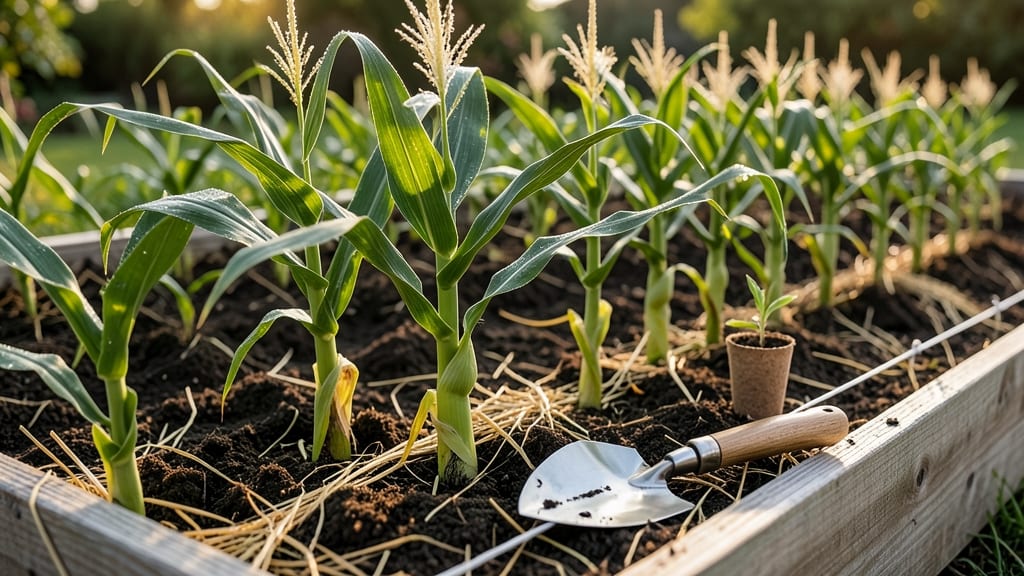
Planting corn in Pennsylvania at the wrong time can mean the difference between a bumper crop of sweet 🌽 and sad, stunted stalks that barely produce.
The key isn’t just waiting for spring—it’s understanding how your specific corner of the state’s climate behaves, from the warmer valleys of the Poconos to the cooler highlands near Pittsburgh.
Most gardeners in PA’s USDA zones 5b-7a know the general rule: mid-April to late May after the last frost. But here’s what they don’t tell you—soil temperature matters just as much as calendar dates.
Corn needs the ground to stay above 60°F for at least two weeks to germinate properly, and that timing shifts depending on whether you’re in the humid southeast or the drier northwest.
In this guide, I’ll break down the exact planting windows for Pennsylvania’s five distinct microclimates, including soil prep tips and frost risk factors. Whether you’re growing sweet corn for summer meals or popcorn for winter treats, getting these dates right is the game-changer for your harvest.
Let’s dive into the science—and the secrets—behind planting corn in PA so you can enjoy those golden ears from July through September without a single wasted seed.
Best corn planting dates in PA by microclimate Zone
Pennsylvania’s diverse geography creates five distinct microclimates for corn growers. The Southwest enjoys earlier springs with USDA Zone 6b, while the Northeast often waits until Zone 5a warms up.
These differences mean planting dates can vary by 3-4 weeks across the state. To maximize your harvest, align your schedule with your region’s last frost averages and soil temperature thresholds.
Corn thrives when soil stays above 50°F for 2 weeks, but seeds won’t germinate until 60°F+. In cooler zones, this delay can push planting into late May, while warmer valleys might start as early as mid-April.
Below, I’ve broken down the ideal windows for each microclimate, plus the best varieties to match your local conditions.
For the Southwest and Southeast regions, where springs arrive earliest, aim to plant ‘Peaches and Cream’ by mid-April. This variety thrives in warmer soils and delivers sweet, tender ears in just 70-75 days.
In contrast, Northeast PA gardeners should wait until late May to avoid frost damage, opting for ‘Ambrosia’, which tolerates cooler temperatures better.
Central PA sits in the middle, with a two-week window from early to mid-May. Here, ‘Country Gentleman’ shines as a versatile choice, performing well in variable conditions.
Its 90-day maturity gives you flexibility if your season runs long. Always check your local frost-free date—planting too early in Zone 5a risks seed rot in cold soils.
Soil temperature matters more than calendar dates. Use a soil thermometer to confirm 60°F+ at 2-inch depth before planting. In cooler zones, consider black plastic mulch to warm the soil faster.
This trick can shave 1-2 weeks off your planting timeline, especially in Northeast PA where late frosts are common.
If you’re in Southeast PA, where humidity runs high, ‘Bodacious’ is a top pick. Its resistance to ear rot makes it ideal for wet springs.
For Northwest PA, where soil drains quickly, ‘Honey & Pearl’ adapts well to drier conditions while still delivering sweet, juicy kernels. Always space seeds 12 inches apart in rows 36 inches wide for optimal airflow.
Pro tip: Plant successive batches every 2 weeks to stagger your harvest. This ensures a continuous supply of fresh corn from July through September. In
How to adjust planting dates for early or late seasons in PA
Pennsylvania’s unpredictable spring weather can throw off even the most experienced gardener. If you’ve ever planted corn too early and watched seedlings rot in cold soil—or too late and missed the sweetest harvest window—you know how critical timing is.
The key lies in extending your growing season with smart adjustments, whether you’re dealing with a late frost or an early heatwave.
Corn thrives when soil temperatures stay above 60°F for 2 weeks, but PA’s microclimates mean your neighbors might be harvesting while you’re still waiting. By using season-extending tools and early-maturing varieties, you can shift planting windows to match your local conditions.
Let’s break down how to calculate your ideal dates and avoid common mistakes that sabotage your corn crop.
- Use a soil thermometer to confirm 60°F+ soil temps for 2 weeks before planting. Cold soil delays germination and invites rot.
- Plant early-maturing hybrids like ‘Ambrosia’ (65 days) or ‘Sweet Success’ (70 days) to beat late frosts. These varieties reach harvest before heat stress sets in.
- Adjust for microclimates: South-facing slopes warm faster than shaded valleys. Add 1-2 weeks to planting dates in cooler areas like the Poconos or Lackawanna County.
- Extend the season with row covers (for early starts) or cold frames (for late harvests). Remove covers when plants are 6 inches tall to avoid overheating.
- Avoid these mistakes: Planting before last frost dates (check Almanac.com for your zip code), ignoring soil moisture (dry soil heats up faster), or skipping succession planting for staggered harvests.
To calculate your own planting window, start by checking your local last frost date (typically mid-April in SE PA to late May in the Northeast). Then, count backward from your desired harvest date—corn needs 75-120 days to maturity.
For example, if you want ears by July 4th, plant ‘Silver Queen’ (85 days) by April 15th in USDA Zone 6.
For late seasons, opt for short-season varieties like ‘Early Sunglow’ (68 days) or use black plastic mulch to warm soil faster. In my Central PA garden, I’ve had success planting ‘Peaches and Cream’ under floating row covers in early April, removing them once seedlings emerge.
This shaves off 2-3 weeks from the growing season.
Remember, corn is sensitive to temperature swings. If nights dip below 50°F after planting, seedlings may struggle. To protect them, use lightweight row covers or plant near heat-retaining structures like brick walls. And always water deeply in the morning to prevent fungal issues—especially in PA’s humid summers.
By mastering these adjustments, you’ll turn PA’s challenging climate into an advantage. Whether you’re a beginner gardener or a seasoned pro, these strategies will help you harvest sweet corn consistently, no matter what Mother Nature throws your way. 🌽