
Plants
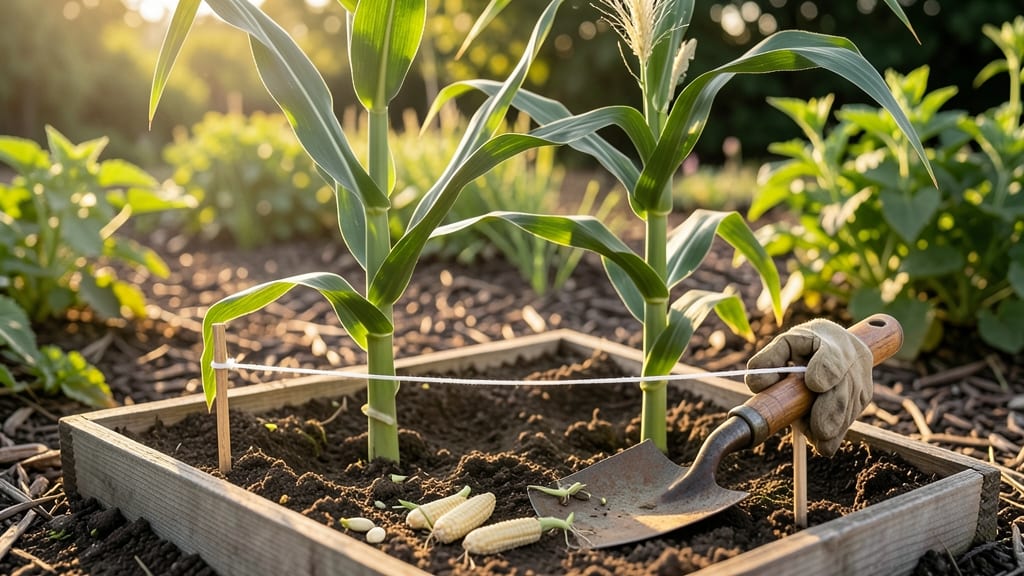
Planting corn at the wrong time in Nebraska can mean the difference between a thriving 🌽 harvest and wasted seeds—especially when unpredictable spring weather throws off your plans.
The 5a-6b climate zone demands precision, and waiting for soil to warm to 50-60°F is the key to strong germination and healthy stalks.
I’ve learned the hard way that rushing too early (before last frost) or delaying past mid-June can leave your crop struggling. Nebraska’s mid-April to early June window isn’t just a guideline—it’s a rule backed by science, and I’ll show you exactly how to time it right for your specific region.
From testing soil temperature with a simple probe to adjusting for microclimates, this guide cuts through the guesswork. You’ll discover 3 critical signs your corn is ready to plant—and how to avoid the 2 biggest mistakes that kill germination before it starts.
Whether you’re a first-time gardener or a veteran farmer, these localized tips will help you beat Nebraska’s capricious weather and grow corn that stands tall and productive. Let’s get those seeds in the ground the right way.
Optimal Nebraska corn planting dates based on soil temperature
Nebraska’s diverse climate zones mean corn planting dates vary dramatically—from the Panhandle’s early springs to the Eastern Platte Valley’s delayed warmth. The key to success? Planting when soil temperatures hit 50-60°F, not just when frost risk ends.
Cold soil delays germination, leaving seeds vulnerable to rot or pests. Let’s break down the region-specific windows and how to test soil warmth like a pro.
Corn seeds need consistent warmth to sprout reliably. Below 50°F, germination slows dramatically, while above 60°F, seeds may dry out before sprouting. Nebraska Extension recommends waiting until the 5-day average soil temp at 4-inch depth reaches 55°F for most varieties.
This typically aligns with mid-April in the Panhandle but can stretch into late May in Eastern Nebraska.
Here’s your region-by-region planting timeline, including soil temperature thresholds and frost-free averages:
To test soil warmth, use a soil thermometer (available at garden centers for ~$10). Insert it 4 inches deep in the morning—this mimics the depth where seeds will germinate. If temps fluctuate between 45°F and 50°F, wait 3-5 days before planting.
Pro tip: Black plastic mulch can warm soil by 5-10°F in 24 hours, giving you an earlier start in cooler zones.
For early-maturing varieties (60-75 days to harvest), you can push the envelope by planting as soon as soil hits 50°F. However, longer-season varieties (90+ days) need the full 60°F threshold to avoid stunted growth.
Nebraska’s USDA Zones 5a-6b accommodate both, but your local microclimate matters more than the zone alone.
Ever wondered why some years corn germinates in 3 days while others take 2 weeks? The answer lies in soil moisture + temperature. Seeds need consistent warmth and adequate moisture—planting in dry soil can delay sprouting by up to 10 days, even at ideal temps.
Always water 1 inch before planting and keep soil moist until germination.
If you’re planting succession crops for a continuous harvest, stagger plantings every 2 weeks after your initial date. For example, in West Central Nebraska, plant the first batch in late April, then follow with mid-May and early June plantings.
This ensures ears mature at different times, extending your harvest window from July to September.
One common mistake is relying on air temperature instead of soil temperature. A 70°F day with a 45°F soil will leave your seeds struggling. Use a soil thermometer for 3 consecutive days to confirm stability before planting.
For organic gardeners, compost or well-rotted manure can also help retain soil warmth.
For late-planted corn (after mid-May), choose short-season varieties like ‘Early Sunglow’ (72 days) or ‘Silver Queen’ (75 days). These tolerate cooler soils better than 100-day varieties, which risk poor pollination if planted late.
Always check the seed packet’s maturity days and subtract 10 days if planting after your region’s ideal window.
Remember: Perfect timing isn’t about memorizing dates—it’s about reading your soil. Combine your last frost date, soil thermometer readings, and local weather forecasts for a foolproof strategy. With these tools, you’ll turn Nebraska’s unpredictable springs into your corn’s competitive advantage.
How to adjust planting time for Nebraska’s microclimates
Nebraska’s diverse geography creates microclimates that can shift your corn planting window by weeks. The Panhandle region often sees earlier last-frost dates than Eastern Nebraska, while West Central areas may experience delayed warming. Understanding these variations helps you avoid late-season frost damage or overly delayed harvests.
To navigate these differences, I rely on USDA Plant Hardiness Zone maps and local frost-free date calculators from the Nebraska State Climate Office. These tools reveal that while Western Nebraska (Zone 5a) might have a May 1 planting window, Eastern Nebraska (Zone 6a) often waits until mid-May.
The key is adjusting your soil temperature testing and seed selection accordingly.
- 1. Use frost-free date calculators from the Nebraska Extension to pinpoint your last frost date (typically April 15–May 15 across the state). Plant 2 weeks after this date for safety.
- 2. Test soil temperature daily using a soil thermometer. Aim for 50–60°F for 1–2 inches deep—critical for germination speed and root development.
- 3. Choose early-maturing varieties (e.g., ‘Golden Bantam’ or ‘Early Sunglow’) for Western Nebraska to avoid short growing seasons. In Eastern Nebraska, opt for 75–90-day varieties like ‘Silver Queen’.
- 4. Adjust planting depth based on moisture levels. In dry years, plant 1.5 inches deep for better moisture retention. In wet springs, shallow to 1 inch to prevent seed rot.
- 5. Monitor weather forecasts for late-season frost risks (common in May). Use row covers or black plastic mulch to protect young plants if frost is predicted within 10 days of planting.
For early planting zones like Western Nebraska, I recommend starting late April if soil temperatures are stable. However, late-planted corn in Eastern Nebraska (after May 15) may struggle to mature before first frost. To mitigate this, I plant succession crops every 2 weeks for a staggered harvest.
Another trick I use is planting near windbreaks—like hedgerows or fence rows—to create warmer microclimates in cooler regions. This can extend the growing season by 7–10 days, giving corn more time to mature.
Additionally, I always keep a frost watch calendar handy to adjust irrigation schedules, as dry soil warms faster than moist soil.
If you’re in Zone 5a, prioritize fast-maturing hybrids (e.g., ‘Ambrosia’) and consider raising beds to warm soil quicker. For Zone 6a, you have more flexibility to experiment with heirloom varieties like ‘Country Gentleman’, but still plant by mid-May to avoid ear rot risks.
Finally, don’t forget to track your own data! Record planting dates, soil temps, and harvest yields for 2–3 years. This helps you refine your localized planting strategy—because what works for a neighbor 10 miles away might not suit your specific microclimate.
With these adjustments, you’ll maximize your corn yield potential despite Nebraska’s unpredictable springs. 🌽