
Trees
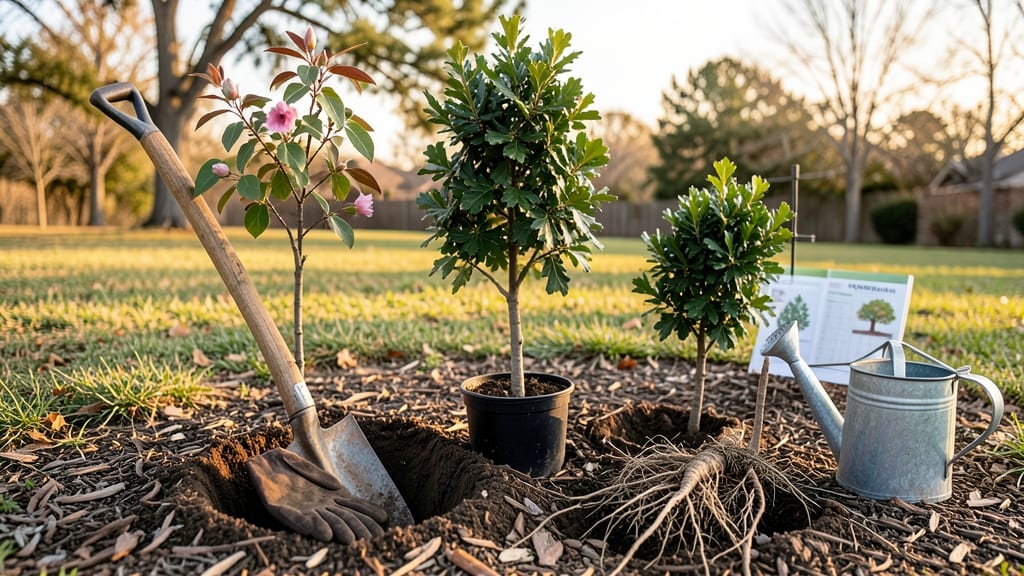
When is the best time to plant trees in North Texas? It’s not just about grabbing a shovel and digging—it’s about matching your 🌳 to the right moment when the climate actually cooperates. Skip the fall or winter months, and you risk stressing young roots in our unpredictable swings between 90°F heat and sudden freezes.
Here's the secret: Late fall to early spring (think November through March) gives your tree the best shot by letting roots establish before summer's brutal drought.
But not all trees play by the same rules—evergreens like cedar need a gentler touch than oaks or pecans, which thrive when planted in cooler weather.
I've seen too many backyard projects fail because of one simple mistake: planting during Texas's scorching summers. The key is timing your tree's arrival with North Texas's 7b-8a zone, where chill hours and soil moisture make all the difference between a thriving shade provider and a sad, stunted shrub.
Let me show you exactly how to pick the perfect moment, prep your soil like a pro, and avoid the 3 biggest mistakes that kill trees before they even take root. Your future shade (and fruit!) depends on it.
North Texas planting windows by tree type: chill-hours and seasonal rules
North Texas gardeners face a unique challenge: balancing 600-1,200 chill-hours with our hot summers and unpredictable winters. The wrong planting window can leave your oak trees struggling or your fruit trees failing to bear.
But timing it right—whether in early fall or late winter—gives roots time to establish before extreme heat or cold hits.
Most native trees like live oaks and Texas redbuds thrive when planted in November or early December, while fruit trees (like pecans and persimmons) often prefer late winter dormancy (February).
The key? Understanding how chill-hours trigger bud break and how North Texas microclimates (urban heat islands vs. rural areas) affect survival rates.
Comparison Table: North Texas Planting Windows by Tree Type
| Tree Type | Chill-Hour Needs | Best Planting Window | Why This Timing? | North Texas Notes |
|---|---|---|---|---|
| Oak Trees (Live Oak, Red Oak) | 600-900 hours | November-December | Establishes roots before spring drought stress | Urban areas: Plant after first frost to avoid heat shock |
| Maple Trees (Red Maple, Sugar Maple) | 900-1,200 hours | Late February-March | Benefits from cool soil temps to reduce transplant shock | Rural areas: March planting avoids late freezes |
| Fruit Trees (Pecan, Persimmon, Apple) | 800-1,100 hours | January-February | Aligns with dormant season for minimal stress | Dwarf varieties: Can plant year-round (avoid summer) |
| Native Species (Texas Mountain Laurel, Yaupon Holly) | 500-800 hours | October-November | Adapts to native rainfall patterns | Drought-tolerant: No summer planting needed |
| Evergreens (Cedar Elm, Chinese Pistache) | 400-700 hours | September-October or February-March | Two windows to avoid summer heat stress | Urban areas: Fall planting preferred for heat relief |
For oaks and maples, early fall planting (November) gives roots 3-4 months to establish before summer drought hits. But if you miss that window, late winter (February) is your next best bet—just avoid planting when spring blooms appear, as this signals bud break and stress.
Fruit trees like pecans and persimmons have stricter rules: plant them in January-February while they’re dormant. This ensures they’ll bloom and fruit in sync with North Texas’s 90-100 chill-hours minimum. Pro tip: Bare-root trees planted in winter establish faster than container-grown ones.
Native species like Texas Mountain Laurel are forgiving—they thrive with October-November planting because they’re adapted to our unpredictable rains. But even these tough trees need well-draining soil to avoid root rot during our summer downpours.
Evergreens like Cedar Elm offer two planting windows: fall (September-October) or late winter (February-March). This flexibility helps them recover from transplant shock before the brutal North Texas heat sets in. Urban gardeners should prioritize fall planting to give roots a head start against heat island effects.
One common mistake? Planting container-grown trees in summer. Their roots circle in pots, and 90°F+ soil can bake them. Instead, opt for bare-root trees in winter or container-grown trees in early spring when soil temps stabilize.
Remember: Chill-hours aren’t just about cold—they’re about consistent temperature drops. North Texas’s 600-1,200 hour range means some trees (like redbuds) need fewer chill-hours than others (like apples). Always check your specific variety’s requirements before planting.
🌳
How to prepare your North Texas soil and site for tree planting success
North Texas soil is famously clay-heavy and alkaline, which can strangle young tree roots if not amended properly. Before you plant, focus on three critical factors: drainage, pH balance, and site selection.
Skipping these steps means your tree will fight for survival during our brutal summers and unpredictable winters.
Start with a soil test—the Texas A&M AgriLife Extension offers free or low-cost testing. Aim for a pH between 6.0 and 7.5; most native trees like live oak or cedar elm thrive in slightly acidic to neutral soil.
If your soil tests too alkaline, mix in sulfur or pine fines to lower the pH gradually.
📋 North Texas Soil Prep Checklist
- Test soil pH (target: 6.0–7.5)
- Improve drainage by amending with compost or sand
- Choose full-sun sites (6+ hours daily) for most native trees
- Avoid low spots where water pools after rain
- Mulch heavily (3–4 inches) to retain moisture
✅ Pro Tip: Mix 50% native soil with 50% compost in the planting hole for best results.
Next, break up compacted clay in the planting area using a broadfork or tilling tool. Add organic matter like composted leaves, aged manure, or coconut coir to improve aeration.
For heavy clay, blend in coarse sand (like mason sand) to prevent waterlogging—a common killer of young trees in our region.
Location matters just as much as soil. Pick a spot with 6+ hours of sunlight for most trees, but avoid areas where utility lines or sidewalks will limit root growth later.
If planting near your home, consider windbreaks like cedar windbreaks to shield delicate species from North Texas’ 30+ mph winds.
After planting, water deeply (15–20 gallons for mature trees, 5–10 gallons for young ones) and mulch with 3–4 inches of shredded bark. Keep mulch 6 inches away from the trunk to prevent rot.
In the first year, water every 7–10 days unless we get steady rain, and avoid fertilizing—your tree’s energy should go to root establishment, not foliage.
Finally, monitor for drought stress (wilting leaves) or overwatering (yellowing leaves, fungal growth). North Texas’ extreme temperature swings (from 100°F summers to 20°F winters) demand flexibility—adjust watering as seasons shift. With these steps, your tree will establish strong roots before our next heatwave hits.