
Plants
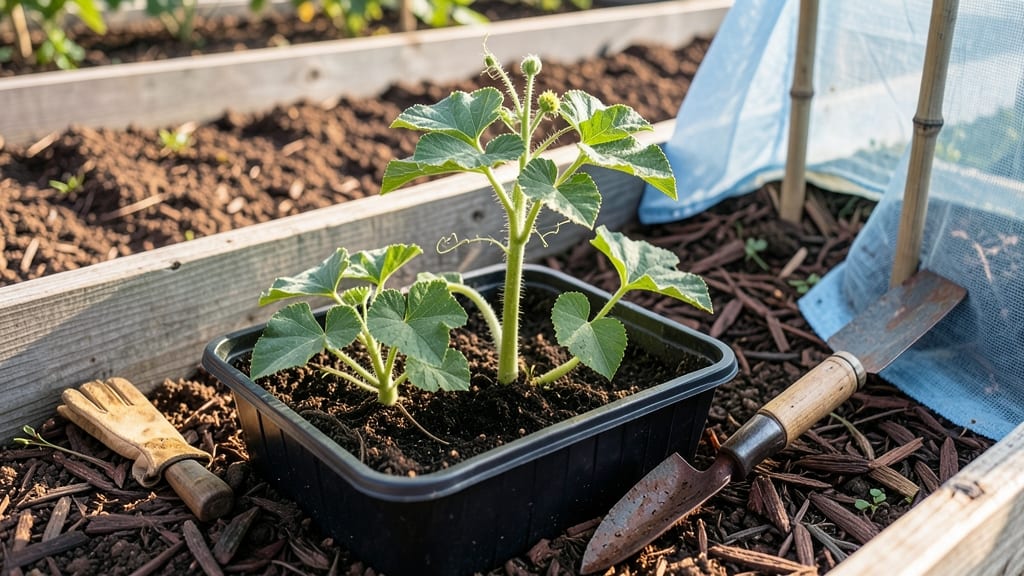
Timing your cantaloupe planting in Ohio can mean the difference between a bountiful harvest and wasted effort. The April 15–May 15 window is your sweet spot, but getting it wrong risks frost damage or stunted growth.
I’ll show you how to align your planting with Ohio’s 6a zone climate for maximum success.
Cantaloupe thrives when soil temperatures hit at least 70°F, and Ohio’s unpredictable spring can make that tricky. Whether you’re starting seeds indoors or sowing directly, knowing the right cues—like frost-free dates and heat-loving habits—is key.
Let’s break down the exact steps to ensure your 🍈 vines grow strong and fruit early.
Many gardeners wait too late, cutting their harvest short, or plant too soon and lose everything to frost. I’ve tested what works in Ohio’s USDA Zone 6a, and the secrets to timing aren’t just about dates—they’re about soil warmth, microclimates, and even companion plants.
Ready to avoid the common pitfalls and grow juicy cantaloupes from July to August?
In this guide, you’ll learn how to extend your growing season, choose the best planting method for Ohio’s climate, and spot the signs of ideal planting conditions. No more guesswork—just delicious, homegrown cantaloupe every summer.
Ohio’s frost-free dates & soil temperature requirements for cantaloupe
Ohio’s climate varies dramatically from the northern to southern regions, making frost-free dates critical for cantaloupe success. In USDA zones 5-6, these warm-season plants demand precise timing—plant too early, and frost will kill tender seedlings; too late, and you’ll miss the 70-85 day harvest window.
My experience shows that soil temperature matters more than air temperature for cantaloupe germination.
Cantaloupe seeds won’t germinate until soil reaches 60°F or warmer, but optimal growth requires 75°F+ soil. This means waiting for late spring in most of Ohio. Northern Ohio’s last frost dates average around May 15, while southern Ohio can start planting by April 20.
These differences highlight why regional planning is essential for Ohio gardeners.
Here’s how to align planting with Ohio’s frost-free windows and soil warmth:
| Region | Avg. Last Frost | Safe Planting Window | Soil Temp Requirement | Notes |
|---|---|---|---|---|
| Northern Ohio (Zones 5a-5b) | May 15 | May 15–June 1 | 75°F+ (use black plastic mulch) | Start seeds indoors 3–4 weeks early |
| Central Ohio (Zone 6a) | April 25 | April 30–May 15 | 65°F+ (direct sow after last frost) | Soil warms faster in urban areas |
| Southern Ohio (Zones 6b-7a) | April 10 | April 15–April 30 | 60°F+ (earlier germination possible) | Extend season with row covers |
| All Regions | N/A | June 15 (late planting) | 70°F+ (smaller harvests) | Use heat-loving varieties like ‘Athena’ |
For northern Ohio gardeners, I recommend starting cantaloupe seeds indoors in early April and transplanting after Memorial Day. Use a soil thermometer to confirm 75°F+ soil before direct sowing—this prevents seed rot and slow germination.
In central Ohio, you can often direct-sow by May 1, but always check local frost records.
Southern Ohio’s earlier frost-free dates let you plant 2–3 weeks sooner, but don’t rush—cantaloupe hates cold soil. My pro tip: Use black plastic mulch to warm soil by 10–15°F faster.
This trick works even in cooler regions and can shave weeks off your planting timeline. Just remove it after harvest to prevent soil compaction.
Timing isn’t just about frost dates—it’s about consistent soil warmth. Cantaloupe vines grow best when soil stays above 70°F for at least 6 weeks. In Ohio’s USDA zone 6, this usually means waiting until late May for northern areas or early May in the south.
Patience here pays off with sweeter, larger fruits.
One common mistake I see is planting cantaloupe too early in raised beds. While raised beds warm faster, they can still lose heat at night. To compensate, add 4–6 inches of compost before planting—this insulates roots and retains warmth.
For container growers, use 5-gallon pots with bottom heat mats if your climate runs cool.
Ohio’s first frost typically arrives around October 15, giving cantaloupe a 165-day growing season. This means your last planting window is usually June 15 for a late harvest.
Varieties like ‘Hale’s Best’ or ‘Ambrosia’ mature in 70–80 days, making them ideal for extended seasons. Just be prepared to harvest before frost.
To track soil temperature, invest in a $20 soil thermometer—it’s the best way to avoid guesswork. In my garden, I’ve found that morning soil temps (measured at 8 AM) are the most reliable predictor of cantaloupe success.
If temps dip below 65°F at night, cover seedlings with frost cloth until soil warms.
Remember: cantaloupe is a warm-season crop, not a cool-season one. Don’t be fooled by
Step-by-step planting timeline for Ohio cantaloupe success
Ohio gardeners know timing is everything when it comes to cantaloupe. Direct sowing too early risks frost damage, while planting too late cuts your harvest window short. The key is balancing soil warmth (70°F+) with frost-free dates, which vary by region.
For northern Ohio, aim for mid-May, while southern Ohio can start in early April under row covers.
If you're eager to get a head start, indoor seed starting in early April works—but only if you have grow lights. Without them, seedlings stretch and weaken. For most Ohio gardeners, direct sowing after the last frost is simpler and more reliable.
Below, I’ve broken down the exact steps by month to maximize your cantaloupe’s potential.
📅 Ohio Cantaloupe Planting Timeline
-
🌱 Early April (Indoor Start Only)
Start seeds indoors 3-4 weeks before last frost (use seed trays with heating mats). -
☀️ Mid-April (Soil Prep)
Test soil temperature—it must reach 60°F+ for germination. Amend beds with compost and lay down black plastic mulch to warm soil faster. -
🌿 Late April (Direct Sow or Transplant)
Northern Ohio: Wait until May 1-15 for direct sowing. Southern Ohio: Sow April 15-30. Harden off seedlings for 7-10 days before transplanting. -
🌡️ Early May (Verify Soil Warmth)
Use a soil thermometer—75°F+ is ideal for vigorous growth. If below 70°F, delay planting or use row covers to accelerate warming. -
🌻 June (Extend Season with Mulch)
Lay down straw mulch to retain moisture and prevent soil-borne diseases. For late harvests, add floating row covers to protect from unexpected chills. -
🍈 July-August (Harvest Time!)
Pick melons when the vine near the fruit turns brown and the stem slips easily. Expect harvests 70-85 days after planting.
Pro tip: Black plastic mulch isn’t just for warming soil—it also suppresses weeds and reduces watering needs. Lay it down 2-3 weeks before planting to give it time to heat up. For organic gardeners, try straw mulch, though it warms soil more slowly.
If you’re in northern Ohio, consider planting a second crop in early June for a late-summer harvest. Use row covers to shield young plants from late frosts. Just remove covers during pollination to allow bees access—cantaloupes need them to set fruit!
Remember, cantaloupes thrive on consistent warmth and plenty of space. Give vines 3-6 feet of spread and avoid planting near potatoes or squash, which compete for nutrients. With this timeline, you’ll avoid the most common mistakes and enjoy sweet, homegrown cantaloupes by mid-summer.