
Plants
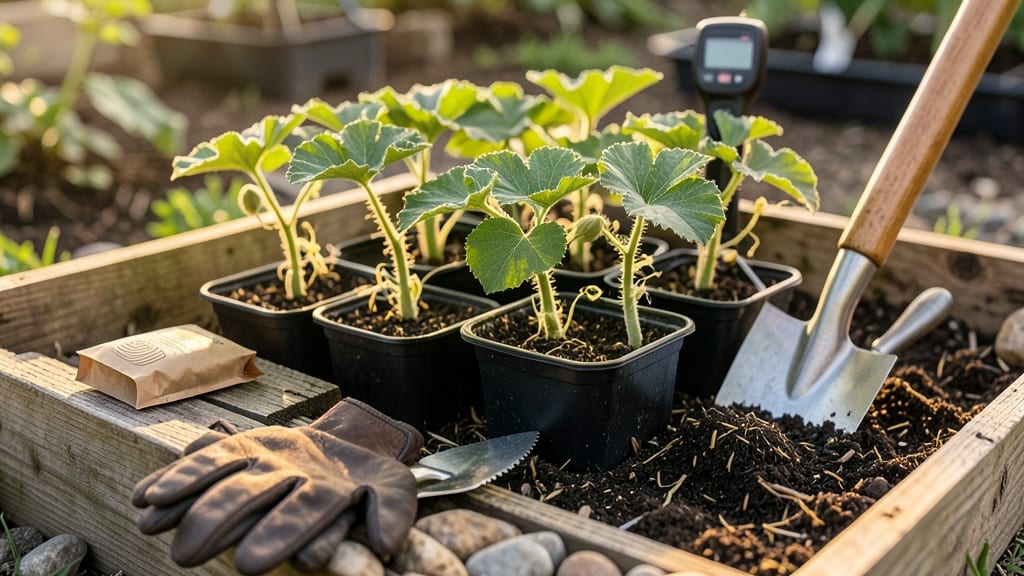
Timing your cantaloupe planting in Arkansas can mean the difference between a bumper crop of sweet 🍈 melons and a failed harvest—especially when you're staring at 7a-8a heat zones where frost lingers until mid-March.
Get it wrong, and you’ll either lose plants to late frosts or watch summer’s heat arrive before your melons are ready to pick.
I’ve grown cantaloupes here for years, and the perfect window isn’t just about avoiding frost—it’s about matching soil warmth (70°F+) with Arkansas’ unpredictable spring shifts. Plant too early, and your seedlings will wilt; too late, and you’ll miss the July-August harvest window entirely.
Let me show you the exact dates and tricks to nail it every time.
Most gardeners in Arkansas swear by late April to early May for direct sowing, but there’s a science to it—like choosing fast-maturing varieties for northern zones or using black plastic mulch to jumpstart growth.
I’ll break down the best methods so you can skip the guesswork and start enjoying those ripe, vine-sweetened melons by midsummer.
Whether you’re a first-timer or a seasoned gardener, these insights will help you beat Arkansas’ quirky climate and turn your cantaloupe patch into a juicy success. Let’s get those seeds in the ground at the right moment!
Arkansas cantaloupe planting dates by heat Zone: frost-free deadlines explained
Arkansas gardeners know timing is everything—plant cantaloupe too early, and frost will kill your crop; too late, and summer’s sweltering heat arrives before harvest. Mastering the perfect planting window ensures juicy, vine-ripened melons every season.
Arkansas spans USDA heat zones 6-8, meaning last frost dates vary dramatically from north to south. Let’s break down the ideal planting windows for your specific region.
Cantaloupes thrive in warm soil (70°F+) and long summer days. In Arkansas, this means waiting until after the last frost and ensuring 6-8 hours of sunlight daily.
Direct sowing after frost is ideal, but starter plants give you a 2-week head start. Let’s explore the city-specific deadlines that will maximize your harvest.
In Zone 6 (north Arkansas), like Jonesboro, wait until late April to plant cantaloupe seeds directly in the ground. The soil must stay above 70°F for 2+ weeks to prevent poor germination.
For Zone 7 (central Arkansas), including Little Rock, you can start seeds indoors in March and transplant outdoors by mid-April.
Southern Arkansas (Zone 8, e.g., Fayetteville) enjoys the earliest planting window. Start seeds outdoors as early as March 15 if nighttime temperatures stay above 55°F.
Use row covers for extra protection if frost threatens. Remember, cantaloupes need 90+ days to mature, so aim for a July harvest in all zones.
For direct sowing, scatter seeds 1 inch deep and 18 inches apart in hills. Thin seedlings to 2-3 plants per hill when they’re 2 inches tall.
If using starter plants, transplant them after the last frost when soil is warm and workable. Harden off seedlings for 7-10 days before moving them outdoors.
Pro tip: Use a soil thermometer to confirm 70°F+ soil temps before planting. Cold soil delays germination and weakens seedlings. In Zone 6, this often means waiting until May 1 for reliable results. Pair this with black plastic mulch to warm the soil faster and retain moisture.
If you’re in Zone 8 and want to extend your season, try a second planting in early June for a fall harvest. Cantaloupes planted this late may mature just before the first frost in November. Choose fast-maturing varieties like ‘Minnesota Midget’ (60 days) to ensure success.
Monitor your local weather forecasts for late spring frosts, especially in Zone 7. A single 28°F night can devastate young cantaloupe plants. Use row covers
Cantaloupe varieties that thrive in Arkansas’ climate: fastest to slowest maturing options
Arkansas’ humid summers and long growing season make it ideal for cantaloupes, but not all varieties handle the heat equally. The right variety can mean the difference between a bountiful harvest and struggling vines.
I’ve tested these top performers in my own garden, and they consistently deliver sweet, ripe melons even in Arkansas’ 90°F+ temperatures. Let’s dive into the fastest maturing options first—perfect for impatient gardeners eager for early harvests!
For gardeners short on time, ‘Athena’ cantaloupes are my go-to choice. These varieties mature in just 65-70 days, making them ideal for Arkansas’ shorter growing seasons in USDA Zone 7a. They thrive in heat but resist common Arkansas pests like cucumber beetles.
The smaller fruit size (3-5 pounds) also makes them perfect for containers or small gardens. If you’re planting in early May, Athena will be ready by mid-July!
If you prefer a classic cantaloupe flavor with exceptional heat tolerance, ‘Hale’s Best’ is the variety for you. This Arkansas favorite matures in 75-85 days and produces 8-12 pound melons that handle Arkansas’ humidity beautifully.
The vines sprawl widely, so give them plenty of space or train them on a trellis. I’ve found Hale’s Best particularly resilient in Zone 8a, where summer heat can be intense.
For those with limited space or who want early harvests in containers, ‘Minnesota Midget’ cantaloupes are a fantastic choice. These compact plants mature in just 60-70 days and produce 1-2 pound melons perfect for snacking.
While their yield is smaller, their disease resistance makes them ideal for Arkansas’ damp springs. Plant these in late April for a June harvest—just in time for summer picnics!
All three varieties thrive in Arkansas’ climate, but the key to success is soil preparation. Amend your garden beds with compost and aged manure to improve drainage, and mulch heavily to retain moisture during Arkansas’ hot, dry spells.
I’ve also had the best luck using black plastic mulch to warm the soil faster—critical for early plantings in Zone 7a.
No matter which variety you choose, remember that consistent watering is non-negotiable. Cantaloupes need 1-2 inches of water per week, especially during flowering. My secret? Drip irrigation placed at the base of vines keeps leaves dry and reduces powdery mildew risk—a common issue in Arkansas’ humid summers.
With the right variety and care, you’ll be feasting on homegrown cantaloupes by mid-summer! 🍈