
Plants
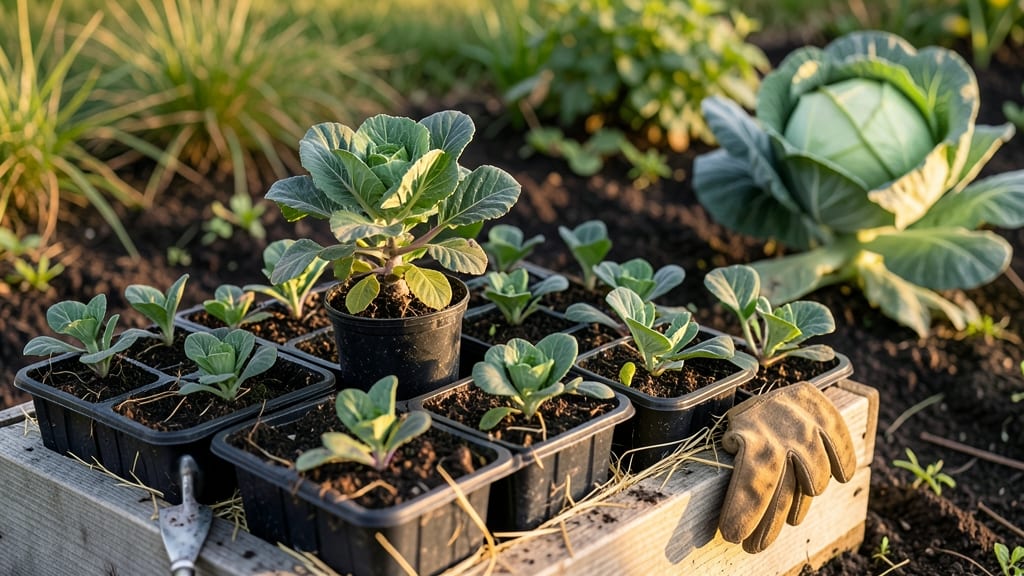
Planting your 🥬 cabbage at the wrong time in Indiana could mean the difference between a bumper crop and a sad, wilted mess. The key to success lies in understanding the perfect planting windows—not too early when frost still lingers, and not too late when summer heat triggers bolting.
As a gardener in USDA Zone 6a, you know the stakes are high: get the timing right, and you’ll enjoy crisp, homegrown heads all season. But miss the mark, and you might end up with bitter-tasting plants or worse—no harvest at all.
The solution? A strategic approach that accounts for Indiana’s last frost dates and seasonal shifts.
In this guide, I’ll walk you through the exact planting timeline for both spring and fall crops, including when to start seeds indoors versus transplanting young plants. You’ll also learn how to adjust for microclimates and extend your growing season without risking frost damage.
Ready to grow cabbage that thrives from seed to harvest? Let’s dive into the step-by-step strategy that’ll keep your garden productive—no guesswork required.
Optimal cabbage planting dates in Indiana by variety type
Indiana’s USDA Zones 5-6 create a unique challenge for cabbage growers—cool springs and hot summers demand precise timing to avoid frost damage or premature bolting. Unlike one-size-fits-all advice, cabbage varieties thrive at different times, from early spring to late summer succession plantings.
Let’s break down the perfect planting windows for each type to maximize your harvest.
Head cabbage, the most common variety, needs 60-90 days to mature. In Indiana, this means planting 4-6 weeks before your last frost date (typically March 15–April 15) for a summer harvest, or July 15–August 15 for a fall crop.
Bok choy, a quick-growing Asian green, can handle warmer soil and often thrives when planted April 1–May 15 or August 1–September 1.
Savoy cabbage, with its wrinkled leaves, is slightly more cold-tolerant and can be planted 2 weeks earlier than head cabbage in spring.
For a fall harvest, Savoy varieties like 'Red Express' perform best when seeded July 1–July 30, giving them time to mature before first frost (usually October 15–30).
| Variety | Spring Planting Window | Fall Planting Window | Days to Maturity | Harvest Time |
|---|---|---|---|---|
| Head Cabbage (e.g., 'Golden Acre') | March 15–April 15 | July 15–August 15 | 60–90 days | June–July or Sept–Oct |
| Bok Choy (e.g., 'Toy Choy') | April 1–May 15 | August 1–September 1 | 30–50 days | May–June or Sept–Oct |
| Savoy Cabbage (e.g., 'Red Express') | March 1–April 1 | July 1–July 30 | 65–85 days | June–July or Sept–Oct |
| Cold-Hardy (e.g., 'January King') | February 15–March 15 | August 15–September 15 | 70–100 days | April–May or Oct–Nov |
For spring plantings, start seeds indoors 6-8 weeks before your last frost (around February 1–March 1) to get a head start. Transplant seedlings outdoors when soil reaches 45°F—typically mid-April.
If you miss this window, don’t panic: succession planting every 2 weeks ensures a continuous harvest through summer.
Late summer plantings are critical for a fall harvest. Seed directly into the garden July 15–August 15 for head cabbage, or August 1–September 1 for bok choy.
These short-day varieties respond to cooler nights by forming heads, so avoid planting too late—September 15 is the cutoff for most varieties to mature before frost.
Bok choy stands out for its speed and heat tolerance. Unlike head cabbage, it thrives in warmer soil (up to 80°F) and can even be grown as a winter crop under row covers.
Plant every 3 weeks from April through September for a steady supply of baby leaves or full heads.
Savoy cabbage’s wrinkled leaves make it a favorite for storage, but its longer maturity time requires earlier planting. Aim for March 1–April 1 in spring and July 1–July 30 for fall.
These varieties also handle light frost better than smooth-leaf cabbage, giving you a few extra weeks of harvest in early fall.
Pro tip: Use row covers to extend your fall planting window by 2-3 weeks. This protects young plants from light frosts (down to 25°F) and speeds up growth in cooler weather. Just remove covers during the day in summer months to prevent overheating.
Indiana’s microclimates can shift planting dates by 1-2 weeks. If you’re in southern Indiana (Zone 6b), you can plant 1 week earlier in spring and 1 week later in fall. Northern gardeners (Zone 5a) should err on the earlier side to avoid late spring frosts.
Remember: Soil temperature matters more than air temperature. Use a soil thermometer to confirm
How to calculate your Indiana-specific planting timeline using frost dates
Indiana’s USDA Zones 5-6 create a unique challenge for cabbage growers. The average last frost date of April 15–May 1 and first frost of October 15–30 bookend your growing window.
To avoid frost damage or premature bolting, you’ll need to calculate your exact planting timeline based on these dates—and adjust for your microclimate.
Start by noting your local frost dates (check the Indiana State Climate Office for your county). These dates determine when to start seeds indoors or transplant seedlings outdoors.
For cabbage, which thrives in cool weather, timing is critical—plant too early, and frost will kill tender seedlings; too late, and your plants may bolt before forming heads.
For spring planting, begin seeds indoors 6–8 weeks before your last frost date. If your last frost is April 15, start seeds around February 20–March 1. For transplants, wait until soil temperatures reach 45°F and the risk of frost has passed—typically mid-April to early May.
⚠️ callout warningUrban areas (like Indianapolis) may warm 2–3 days earlier than rural spots. Low-lying gardens can stay 5°F colder longer. Adjust your timeline by 3–7 days if your yard fits these profiles.
For fall cabbage, aim to transplant seedlings 8–10 weeks before your first frost. With a October 15 frost date, this means transplanting around August 1–15. Fall cabbage benefits from cooler temperatures, so avoid planting too late—plants need time to mature before winter sets in.
Use succession planting to extend your harvest. Sow seeds every 2–3 weeks in spring and again in early summer for a continuous supply. For example, if your last frost is May 1, plant a new batch every 14 days until June 15 to ensure a steady crop.
Track your progress with a gardening journal to refine your timeline each year. Note when seedlings sprout, when frost occurs, and how long it takes for heads to form.
Over time, you’ll perfect your Indiana-specific schedule—because while the average frost dates guide you, your yard’s unique conditions will dictate the final word on your planting calendar.