
Plants
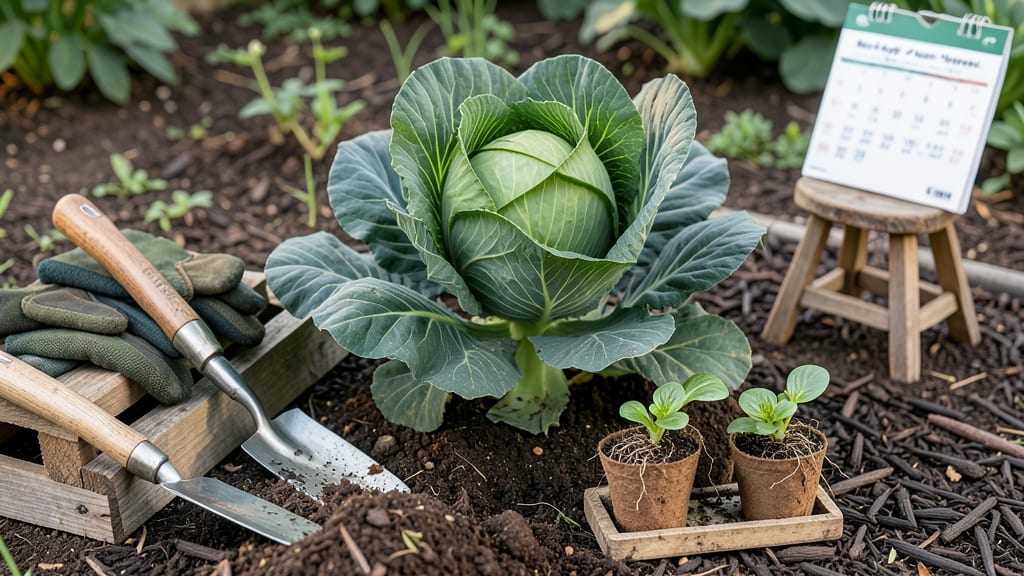
Planting 🥬 cabbage in Colorado isn’t just about the calendar—it’s about beating the unpredictable mountain frost that can turn your hard work into a sad, wilted mess.
Whether you're in Denver’s urban gardens or the high-altitude plains near Fort Collins, timing is everything to avoid stunted heads or bolted plants before harvest.
Most Colorado gardeners know the basics—spring and fall are the prime windows—but what you don’t know could mean the difference between a bumper crop and a disappointing patch.
I’ve dug into the data (yes, even the frost charts from Colorado State University) to give you the exact deadlines you need, adjusted for elevation zones 5-8 and microclimates that can shift your planting window by weeks.
Here’s the game-changer: Start seeds indoors 4-6 weeks before your last frost date (that’s March for lowland areas, April for high-altitude spots), or direct-sow in late July for a fall harvest.
But timing alone won’t cut it—soil prep, succession planting, and even wind protection play a role in Colorado’s short growing season.
Skip the guesswork and learn how to align your planting with Colorado’s frost-free windows, from Denver’s 120-day growing season to the 180+ days in warmer foothills. Let’s get your cabbage growing like a pro—no frost surprises included.
Colorado cabbage planting deadlines by elevation zone (with frost risk charts)
Colorado’s dramatic elevation shifts—from lowland plains to alpine valleys—mean your cabbage planting deadlines can vary by up to 6 weeks depending on where you live. At 3,000 feet, you might plant in early March, while at 9,000 feet, you’ll wait until late April.
These differences aren’t just about timing; they’re about avoiding frost damage that can turn your crisp heads into mushy disappointment.
Using data from Colorado State University’s frost risk charts, I’ve broken down the best planting windows for three key zones: lowland (3,000–5,000 ft), foothills (5,000–7,000 ft), and mountain (7,000+ ft).
Whether you’re aiming for a spring harvest or a fall crop, these deadlines will help you align your planting with Colorado’s unpredictable weather patterns.
Here’s the critical rule: Plant cabbage 4–6 weeks before your average last frost date for spring crops, or 10–12 weeks before your first frost for fall harvests. For Colorado, that means March–April for spring and July–August for fall, but the exact dates shift with elevation.
Miss these windows, and you’ll either face frost-killed seedlings or bolting heads before harvest.
Let’s dive into what these numbers mean for your garden. In lowland areas, you can start seeds indoors as early as February for a head start, but direct sowing should wait until mid-March.
The risk of late frosts drops to just 15–20% after April 15, making this the safest window for transplanting. Meanwhile, in the mountains, those same late frosts linger until mid-May, so hold off on planting until after that date—or risk losing your entire crop.
For fall planting, the stakes are just as high. In lowland zones, you’ve got until mid-August to get seeds in the ground for a harvest before the first frost. But in mountain regions, that window shuts by early July.
The key here is succession planting: stagger your sowings every 2–3 weeks to ensure a steady supply of fresh cabbage throughout the season. This is especially critical in Colorado, where unpredictable weather can turn a mild September into a sudden freeze.
Pro tip: Use row covers or cold frames to extend your growing season by 2–4 weeks in both spring and fall. These tools create a microclimate that protects young plants from light frosts (28–32°F), giving you more flexibility with planting dates.
Just remember to remove covers during the day to prevent overheating—cabbage hates bolting from heat stress just as much as it hates frost.
If you’re planting in urban gardens or high-desert areas, add another 1–2 weeks to the mountain zone deadlines. These microclimates often experience earlier frosts due to cold air pooling, so err on the side of caution.
And always check local weather forecasts in the weeks leading up to your planting date—Colorado’s weather can shift faster than a mountain breeze.
One final piece of advice: Choose the right varieties for your elevation. Green and savoy cabbages tend to handle Colorado’s cooler climates better than red or purple varieties, which often struggle with slow maturation at higher altitudes.
For mountain gardens, opt for early-maturing varieties like ‘Golden Acre’ or ‘Early Jersey Wakefield,’ which can go from seed to harvest in as few as 50–60 days.
With these deadlines and a little flexibility, you’ll be well on your way to a bountiful cabbage harvest—no matter where in Colorado you call home.
And if all goes well, you’ll have enough to share with neighbors (or at least enjoy a few homegrown coleslaws before winter sets in). 🥬
How to adjust cabbage planting dates for Colorado’s microclimates
Colorado’s urban heat islands, high-desert valleys, and wind-swept plains all demand different cabbage planting strategies. In Denver’s 5,280 ft elevation, you might plant 2 weeks earlier than in Grand Junction’s 4,400 ft, while mountain gardens above 8,000 ft need a full month’s head start.
These microclimates force us to get creative—whether through soil warming, cold frames, or extended indoor starts.
For urban gardens, where pavement absorbs heat, start seeds indoors by February 15th and transplant by March 15th. The city’s heat retention lets you push spring planting 2 weeks later than rural areas.
Meanwhile, high-desert regions like the San Luis Valley experience faster temperature swings, so use black plastic mulch to warm soil 5-10°F faster than bare ground.
In windy plains (think Eastern Plains), protect seedlings with windbreaks or plant near tall perennials. These areas often have earlier last frosts (by April 1st), so aim for March 1st starts.
For mountain microclimates, where frost lingers until May 15th, begin seeds indoors by January 15th and use row covers to extend the season.
Direct Sowing vs. Transplanting for Colorado Cabbage
- ✅ Cost-effective (no seedlings)
- ✅ Hardier plants (adapted to local soil)
- ❌ Slower growth (2-3 weeks behind)
- ❌ Frost risk (seedlings vulnerable)
- ✅ Faster harvest (4-6 weeks ahead)
- ✅ Controlled timing (avoid frost)
- ❌ Higher cost (seedlings/space)
- ❌ Transplant shock (if not hardened)
To extend Colorado’s short growing season, I recommend cold frames for late fall plantings. Place them over July 1st starts to protect seedlings until September 1st, giving you a 60-day head start before first frost.
For soil warming, lay down clear plastic sheeting 2 weeks before planting—this raises soil temps by 10-15°F, letting you plant 3 weeks earlier in cool zones.
Succession planting is key: Sow every 2 weeks from March to July for continuous harvests. In high-desert areas, pair cabbage with low-growing companions like lettuce to reduce wind exposure.
For urban containers, use dwarf varieties (like ‘Miniature’) and plant in 5-gallon pots—they mature 10 days faster than standard types.
Remember: Colorado’s 120-180 frost-free days force us to prioritize speed. Use fast-maturing varieties (like ‘Golden Acre’) and avoid bolting by keeping soil moist. With these adjustments, you’ll turn Colorado’s challenging climate into your cabbage-growing advantage. 🥬