
Plants
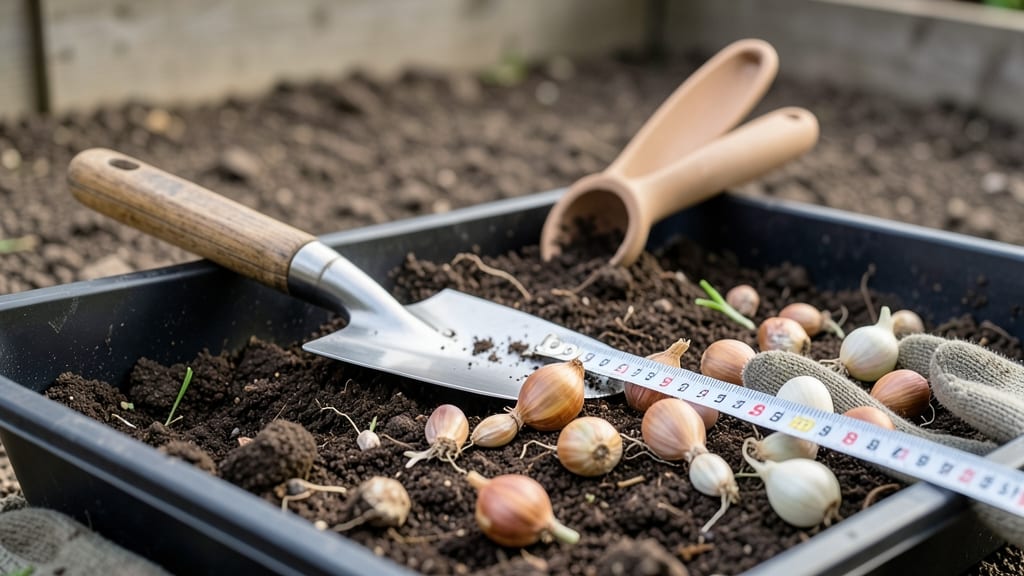
Planting your Spring Flowering Bulbs 🌷 at the wrong time in South Carolina could mean waiting another year for those dreamy spring blooms—or worse, never seeing them at all.
The key? Knowing exactly when to tuck those bulbs into the soil so they thrive through our mild winters and steamy summers.
Most gardeners in zones 7b-9a swear by fall planting, but there’s a 30-day window where timing makes all the difference. Whether you’re in Charleston’s coastal warmth or Greenville’s cooler hills, the right schedule keeps your bulbs from rotting or sprouting too early.
I’ll walk you through the exact months—and why rushing or waiting too long can ruin your spring show.
You might think January’s chill is the only option, but some bulbs actually prefer the cozy soil temps of late fall. And here’s the secret: mulching right after planting can protect them from our unpredictable freezes.
Let’s dive into the perfect planting calendar for SC’s climate, so you can enjoy blooms that outshine the azaleas.
From daffodils that brave the heat to spider lilies that love the humidity, each bulb has its own ideal time to go in the ground. I’ll share which varieties perform best in your zone—and how to adjust for those tricky microclimates where frost hits earlier (or later) than the average.
Get ready to plan your garden’s star performers!
Best planting months for bulbs in South Carolina’s heat zones 7b-8a
South Carolina’s heat zones 7b and 8a create unique challenges for bulb planting—too early, and bulbs rot; too late, and they won’t establish roots before winter. The key is planting 6-8 weeks before the first frost, which typically falls between mid-November and early December in most of the state.
For spring-blooming bulbs like tulips and daffodils, this means September through November is your prime window.
Fall-planted bulbs like crocus and alliums thrive when soil temperatures drop below 60°F, signaling them to root before dormancy. In Zone 7b (cooler inland areas), aim for late September to mid-October, while Zone 8a (warmer coastal regions) can extend planting until early November.
Adjusting for these zones ensures bulbs get the root growth they need before winter sets in.
Here’s a quick reference for optimal planting months based on your zone and bulb type:
| Bulb Type | Zone 7b Planting Window | Zone 8a Planting Window | Soil Prep Month | Key Tip |
|---|---|---|---|---|
| Tulips | Late September - Mid-October | Early October - Early November | August-September | Plant deeper in Zone 8a (6" depth) |
| Daffodils | Mid-September - Late October | Late September - Mid-November | August-September | Tolerates wetter soil; ideal for rain gardens |
| Hyacinths | Late September - Early October | Early October - Early November | August-September | Needs well-draining soil; amend clay with compost |
| Crocus | Early October - Mid-November | Late October - Early December | September-October | Plant shallow (2-3" depth) for early blooms |
| Alliums | Mid-September - Late October | Early October - Mid-November | August-September | Drought-tolerant; great for dry areas |
Before planting, prepare your soil by amending with compost to improve drainage—a critical step in South Carolina’s clay-heavy soils. Aim for a pH between 6.0 and 7.0, which most bulbs prefer.
In Zone 8a, where winters are milder, you can push planting to early November, but avoid planting after the first frost to prevent rot.
For spring-blooming bulbs, timing is everything. Planting too late in Zone 7b (after mid-October) risks bulbs not rooting before winter, while Zone 8a’s warmer climate allows a slightly later window. Use a soil thermometer to check temperatures—bulbs need 60°F soil for root growth but below 50°F to trigger dormancy.
If you miss the fall window, some bulbs like tulips and hyacinths can be planted in January or early February for spring blooms, but this is riskier in Zone 7b due to unpredictable frosts.
Always mulch heavily (3-4 inches) after planting to insulate bulbs and protect them from temperature swings common in South Carolina’s transitional seasons.
Pro tip: Mark your planting calendar with your average first frost date. In Zone 7b, this is typically mid-November, while Zone 8a may see frost as late as early December.
Planting 6-8 weeks before ensures bulbs establish roots before winter sets in. For example, if your frost date is November 15th, aim to plant by late September.
Don’t overlook soil temperature—it’s the real driver of bulb success. Use a digital soil thermometer ($15 at garden centers) to confirm temperatures are below 60°F before planting.
In Zone 8a’s warmer microclimates, soil may stay too warm for rooting until late October, delaying your planting window by a few weeks compared to Zone 7b
How to adjust planting times for South Carolina’s microclimates
South Carolina’s three distinct microclimates—coastal, Piedmont, and Upstate—create unique challenges for bulb planting. Coastal areas like Charleston enjoy milder winters, while the Piedmont region faces sharper frost, and the Upstate experiences earlier freezes.
Adjusting your planting schedule by just a few weeks can mean the difference between thriving blooms and lost investments.
For coastal gardeners, extend your planting window into early December since frost arrives later. Piedmont gardeners should aim for mid-October to avoid early freezes, while Upstate gardeners need to plant by late September to ensure bulbs establish roots before winter.
These adjustments protect your bulbs from frost damage while maximizing bloom potential.
🌱 Key Adjustments by Microclimate
- 1. Coastal Areas (Zones 8a-9a): Plant daffodils and crocus through early December. Warmer winters allow later planting.
- 2. Piedmont Region (Zone 7b-8a): Focus on October planting for tulips and hyacinths. First frost typically hits mid-November.
- 3. Upstate (Zone 7a-7b): Plant by late September to avoid earlier freezes. Prioritize hardy varieties like alliums.
- 4. Mulch Matters: Apply 3-4 inches of mulch after planting in Piedmont and Upstate to insulate bulbs.
- 5. Early vs. Late Varieties: Plant late-blooming tulips in October and early daffodils in September for staggered color.
Use mulch as your secret weapon—especially in Piedmont and Upstate zones. A 3-4 inch layer of straw or pine needles after planting insulates bulbs from temperature swings and retains moisture. For coastal gardens, mulch still helps regulate soil temperature but is less critical due to milder winters.
When selecting bulbs, opt for early varieties in Upstate areas to beat the frost, while late varieties work better in coastal zones. For example, ‘Tête-à-Tête’ tulips bloom early and thrive in Zone 7b, while ‘Darwin Hybrid’ tulips suit Zone 8a and beyond.
Always check the USDA Hardiness Zone label on bulb packages.
Don’t forget to water deeply after planting—especially in sandy coastal soils that dry out quickly. Aim for 1 inch of water per week until the ground freezes. In Upstate regions, reduce watering slightly in late fall to encourage bulb dormancy before winter sets in.
By tailoring your planting schedule to your local microclimate, you’ll enjoy longer bloom seasons and healthier plants. Start with these adjustments, and your spring garden will thank you with vibrant color and minimal fuss. Happy planting! 🌷