
Plants
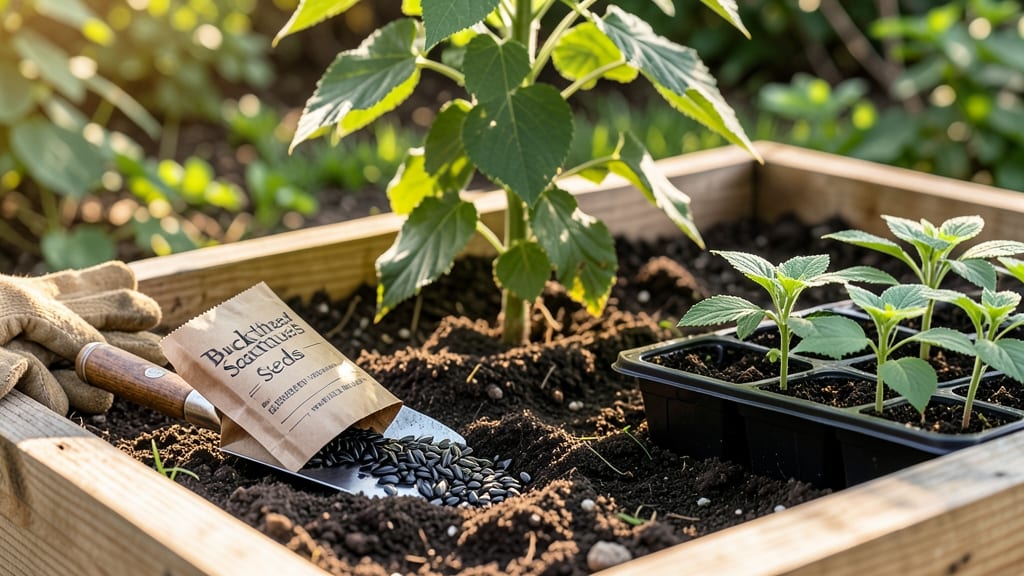
Planting buckwheat at the wrong time in North Carolina can mean the difference between a bountiful harvest and wasted effort. This hardy 🌾 thrives in the state's warm summers, but getting the timing right—especially across zones 7a-8b—is key to avoiding frost damage or stunted growth.
Most gardeners in NC aim for late spring to early summer, but the exact window depends on your county's last frost date. Whether you're in the cooler mountains or the humid coastal plains, planting too early risks frost, while waiting too long cuts your harvest window short.
I'll break down the ideal planting schedule by region, including April-June targets for Piedmont areas and adjusted timelines for the mountains. With 60-90 days to maturity, buckwheat demands precision—but once you nail the timing, you'll enjoy fresh greens and grain until early fall.
Ready to transform your garden? Let's dive into the frost-date cheat sheet that'll have your buckwheat flourishing from August through October, no matter where you are in the state.
North Carolina buckwheat planting calendar by county (frost-date guide)
North Carolina’s diverse climate—from the cool mountain valleys of the west to the humid coastal plains—creates unique planting windows for buckwheat. Since buckwheat thrives in warm soil (60°F+) and matures in 60-90 days, timing is everything.
Plant too early, and frost will kill your crop; too late, and you’ll miss the ideal harvest window before fall frosts. This guide breaks down planting dates by USDA zones (7a-8b) and county clusters to help you align your schedule with NC’s last frost dates.
Buckwheat’s fast growth cycle makes it perfect for summer planting, but your exact window depends on whether you’re growing it for greens (young leaves) or grain (mature seeds). Greens can be harvested as early as 30 days, while grain takes the full 60-90 days.
For most NC gardeners, this means starting seeds or sowing directly in late April to early June, with harvests spanning August through October. However, mountain counties like Henderson or Haywood may need to wait until mid-May to avoid late spring frosts.
For mountain counties like Buncombe or Madison, aim to plant buckwheat by May 15 to ensure a full harvest before the first frost, which can arrive as early as October 15. In these areas, consider using row covers to push your harvest window slightly later.
The Piedmont region, including Wake or Guilford counties, offers a longer window—plant by May 1 for a late-summer harvest, or even late May if you’re targeting grain production.
Coastal NC gardeners in New Hanover or Craven counties have the earliest last frost dates (March 10–25), allowing for April planting. However, the high humidity and heat in these areas demand extra care: space plants 12–18 inches apart for airflow and
How to adjust buckwheat planting for NC’s microclimates (mountains vs. coastal vs. Piedmont)
North Carolina’s diverse microclimates can dramatically impact your buckwheat success. The Mountains (like Asheville) have cooler temperatures and shorter growing seasons, while the Coastal Plain (like Wilmington) faces higher humidity and heat.
Even the Piedmont (Raleigh) has its own unique challenges. Adjusting your planting strategy based on your region ensures optimal growth and higher yields.
In the Mountains, buckwheat thrives in cooler temperatures but requires earlier planting to avoid early frost. Coastal areas need heat-tolerant varieties and shade protection during peak summer.
Meanwhile, the Piedmont’s moderate climate offers a longer growing window but demands soil adjustments to handle its clay-heavy soils. Let’s break down the key adjustments for each region.
For Mountain gardeners, focus on early planting to take advantage of cooler temperatures. Start seeds indoors in March and transplant by late April. Use mulch to retain moisture and protect against late frosts.
In coastal areas, prioritize shade cloth during July and August to prevent heat stress. Plant in raised beds to avoid waterlogged soil from frequent rains.
The Piedmont’s moderate climate allows for a wider planting window, but soil amendments are critical. Mix gypsum into clay-heavy soils to improve drainage and aeration. Water deeply twice weekly during dry spells, and pair buckwheat with nitrogen-fixing plants like beans to boost soil health.
Avoid planting near tomatoes, as they compete for nutrients.
Regardless of your region, always test your soil before planting. Buckwheat prefers a pH of 6.0-7.5 and well-draining soil. If your soil is too acidic, add lime in the fall before planting.
For organic matter, work in aged compost or well-rotted manure to give your buckwheat the nutrients it needs to thrive.
One final tip: Monitor your plants closely for pests like aphids or Japanese beetles, which are more common in humid coastal areas. Use neem oil or soapy water sprays to keep them at bay.
With these region-specific adjustments, you’ll be well on your way to a bountiful buckwheat harvest! 🌾