
Plants
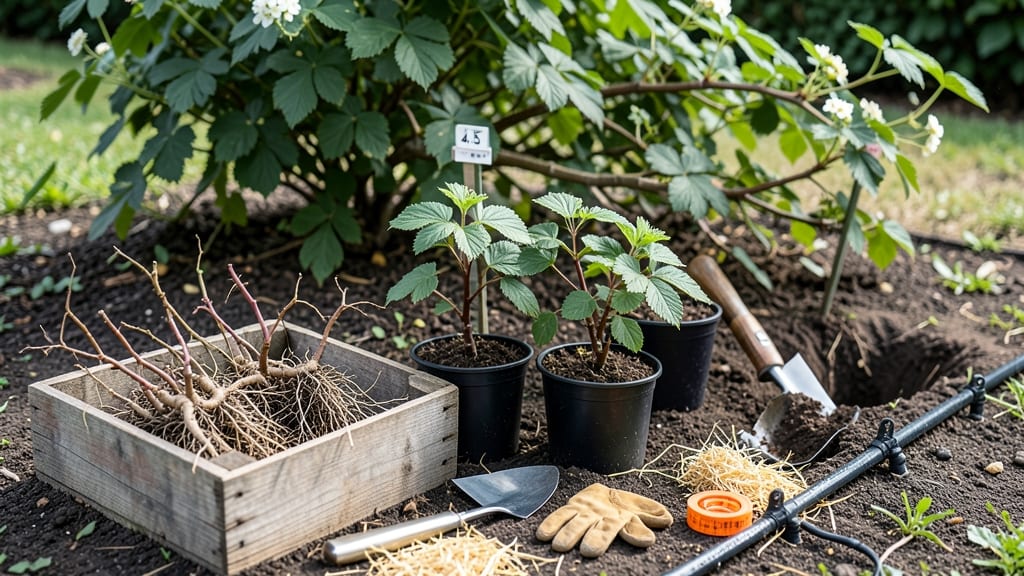
Planting blackberries in Colorado isn’t just about grabbing a 🫐 bush and sticking it in the ground—it’s about matching your variety to the state’s chill-hour zones to guarantee a harvest that’ll make your neighbors jealous.
If you’ve ever wondered why some gardeners get lush blackberry patches while others struggle, the answer lies in timing. Colorado’s USDA Zones 5-7 mean frost can still sneak in well into May, and planting too early risks losing your young canes.
But get it right, and you’ll be feasting on sweet berries by mid-summer—no more store-bought, watery substitutes.
Whether you’re planting bare-root canes in early spring (March-April) or potted plants in early fall (September-October), the secret is knowing when your local chill hours align with your blackberry’s needs.
I’ll walk you through the exact windows for Colorado’s high country, Front Range, and Western Slope to set your plants up for success.
Ready to skip the guesswork and grow blackberries that thrive? Let’s dive into the planting schedule that’ll turn your Colorado garden into a berry bonanza—without the frost-related heartbreak.
Colorado chill-hour zones: how to choose the right blackberry variety
Colorado’s diverse elevations create unique chill-hour requirements for blackberries, ranging from 400 hours in the Front Range to over 1,000 hours in mountain regions. These chill hours trigger dormancy and ensure proper fruiting. Selecting the wrong variety can mean poor yields or no fruit at all.
Blackberries fall into three main categories: Evergreen, Thornless, and Primocane. Evergreen varieties like Cheyenne thrive in 600+ chill hours, while Primocane types such as Natchez adapt to 400-700 hours. Matching your variety to your zone is critical for success.
In Colorado, we typically see four chill-hour zones: 400-600 hours (Western Slope), 600-800 hours (Front Range), 800-1,000 hours (Eastern Plains), and 1,000+ hours (High Mountains). Each zone has ideal planting windows and varieties that perform best.
For example, Thornless Evergreen varieties like Apache excel in 600+ chill-hour zones, while Primocane varieties such as Ouachita handle 400-700 hours better. Understanding your chill hours ensures your blackberries survive winter and fruit well.
Spring planting (March-April) works best in 400-800 chill-hour zones, while fall planting (September-October) suits 800+ chill-hour regions. Fall planting allows roots to establish before winter, reducing stress in colder zones.
Here’s a quick comparison of chill-hour zones, recommended varieties, and planting windows to help you choose the right blackberries for your Colorado garden:
Once you’ve selected the right variety, soil preparation is key. Blackberries prefer well-draining, slightly acidic soil (pH 5.5-6.5). Amend heavy clay soils with compost or sand to improve drainage, and mulch heavily to retain moisture and regulate soil temperature.
After planting, water deeply once a week for the first month, then taper to every 10-14 days once established. In high-chill zones, protect young plants with row covers during late spring frosts, which can damage tender new growth.
With the right variety and timing, your Colorado blackberries will thrive year after year, yielding sweet, juicy berries perfect for jams, pies, or fresh eating. Start by checking your chill hours, then pick your variety—your future harvest depends on it! 🫐
Step-by-step planting calendar for Colorado blackberries (by zone)
Colorado’s diverse climate means the perfect time to plant blackberries varies by region. Whether you’re in the Front Range, Western Slope, Eastern Plains, or High Mountains, understanding your zone’s last frost date and chill hours ensures your blackberries thrive.
Spring planting (March-April) is ideal for most areas, while fall planting (September-October) works in lower elevations.
Blackberries need 6-8 hours of sunlight and well-draining soil with a pH of 5.5-6.5. Amend your soil with compost before planting to improve fertility. For container growing, use large pots with drainage holes and a balanced fertilizer like 10-10-10.
Here’s your month-by-month planting guide tailored to Colorado’s zones:
📅 Step-by-Step Planting Timeline
In High Mountain zones (e.g., Aspen, Leadville), delay planting until mid-May to avoid late frosts. Use cold-hardy varieties like 'Chester' or 'Triple Crown' that tolerate 1,000+ chill hours. For containers, move pots to a sheltered location in winter.
Blackberries planted in fall (September-October) establish roots before winter but require extra mulch (4-6 inches) to insulate roots. Avoid fall planting in High Mountain zones—roots may not harden before frost. Monitor soil moisture closely in drought-prone areas like the Western Slope.
Pro tip: Install a trellis system at planting to support vigorous growth. Use J-bar trellis wires spaced 3 feet apart for easy harvesting and airflow. Prune suckers aggressively in late winter to redirect energy to fruit production.