
Plants
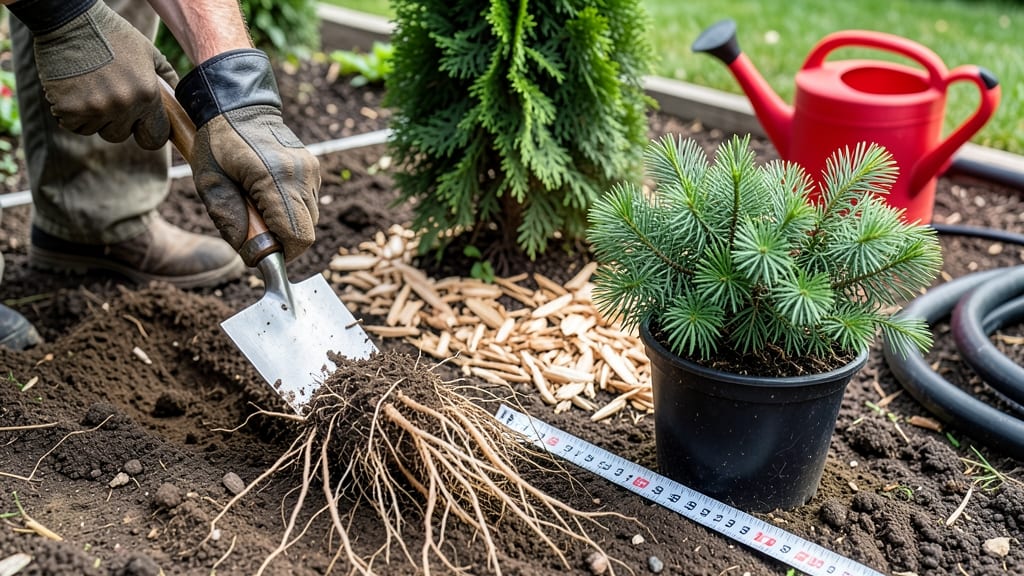
Planting your 🌲 arborvitae at the right time in Michigan’s 5b-6b climate can make all the difference between a lush, thriving evergreen and a struggling one that never quite takes off.
The key window isn’t just about months—it’s about avoiding those late spring frosts that can shock young roots or the early fall freezes that stunt growth before winter.
Most gardeners in Michigan swear by early spring (April) or fall (September-October) planting, but there’s a science behind it. Spring gives your arborvitae time to establish roots before summer heat, while fall lets it settle in before winter dormancy kicks in.
I’ll break down exactly which timing works best for your specific region—whether you’re in the Upper Peninsula or the warmer pockets of southern Michigan.
You’ll also discover how to prep your soil, choose between container-grown or bare-root plants, and protect your new 🌲 arborvitae from Michigan’s harsh winters. Trust me, skipping these steps could mean the difference between a 5-year-old hedge and a 10-year-old one—and nobody wants to wait a decade for shade!
Let’s dive into the best planting schedule, so you can get your arborvitae off to the strongest start possible. Your future privacy screen (or stunning landscape focal point) will thank you!
Optimal arborvitae planting windows in Michigan by month (Zone 5-6 guide)
Michigan’s USDA Zones 5-6 present unique challenges for planting arborvitae, with late frosts in spring and early frosts in fall. Timing your planting correctly ensures root establishment before winter dormancy, giving young trees the best chance to thrive.
The ideal window spans early spring (April) and fall (September-October), but each offers distinct advantages for Michigan gardeners.
Spring planting allows arborvitae to establish roots before summer heat, while fall planting avoids summer stress and gives roots time to harden off before winter. However, soil temperature is critical—roots won’t grow below 40°F (4°C).
In Michigan, this means waiting until mid-April in most regions or late April in colder northern areas like the Upper Peninsula. Fall planting should wrap up by early October to allow 6-8 weeks of root growth before frost.
Here’s how Michigan’s month-by-month climate impacts your planting success, including soil conditions, frost risks, and care adjustments:
| Month | Soil Temp Threshold | Frost Risk | Planting Viability | Care Adjustments |
|---|---|---|---|---|
| March | Below 40°F (4°C) | High (late frosts) | ❌ Not recommended | Soil too cold for root growth |
| April | 40-50°F (4-10°C) | Moderate (late frosts possible) | ✅ Ideal (wait until mid-April) | Water deeply after planting; mulch heavily |
| May | 50-60°F (10-15°C) | Low | ✅ Good (roots establish quickly) | Reduce watering as temps rise; monitor for drought |
| June | 60-70°F (15-21°C) | None | ⚠️ Possible (stressful for young roots) | Water deeply 2x/week; shade cloth may help |
| July | 70-80°F (21-27°C) | None | ❌ Avoid (heat stress risk) | Established trees only; new plants need protection |
| August | 65-75°F (18-24°C) | Low (early frosts rare) | ✅ Good (fall prep begins) | Reduce watering; fertilize lightly for fall growth |
| September | 50-60°F (10-15°C) | Low (late in month) | ✅ Ideal (best overall window) | Water deeply; mulch 3-4 inches thick |
| October | 40-50°F (4-10°C) | Moderate (early frosts) | ✅ Good (plant by early Oct) | Water sparingly; protect from wind |
| November | Below 40°F (4°C) | High | ❌ Not recommended | Soil frozen; roots can’t establish |
| December-February | Below freezing | Extreme | ❌ Dormant season | Focus on winter protection |
For container-grown arborvitae, you have slightly more flexibility—plant anytime soil isn’t frozen, but spring or early fall still offer the best survival rates. Bare-root plants, however, demand precise timing: plant only when soil is workable (typically April or September) to avoid root desiccation or frost damage.
In Michigan’s Zone 5b (northern regions), aim for mid-April to early May or mid-September to early October.
One key advantage of fall
How Michigan’s microclimates affect arborvitae survival rates by region
Michigan’s diverse microclimates create wildly different conditions for arborvitae survival—what works in Detroit’s urban warmth may fail in Traverse City’s coastal chill. The Upper Peninsula’s shorter growing season demands earlier planting, while southern Michigan’s extended fall warmth lets you plant later.
Let’s break down the best strategies for each region to maximize your evergreen’s chances.
In the Upper Peninsula (Zone 5b), arborvitae thrive when planted in early May, giving roots time to establish before frost risks return in October. Rural areas with cooler nights and thin soil need extra care—mulching and windbreaks are essential.
Meanwhile, urban Detroit (Zone 6a) can plant until mid-October thanks to heat islands and concrete’s retained warmth.
| Region | Best Planting Window | Key Adjustments | Survival Tip |
|---|---|---|---|
| Upper Peninsula (Zone 5b) | Early May–June 15 | Use container-grown plants; avoid bare-root in spring | Add 3" mulch to insulate roots |
| Lower Peninsula (Zone 6a) | September 1–October 15 | Urban areas: plant 2 weeks later than rural | Water deeply every 10 days in fall |
| Southern Michigan (Detroit) | September 15–November 1 | Extend window 10 days past Traverse City | Use deer-resistant varieties (e.g., 'Emerald Green') |
| Traverse City (Coastal) | August 20–September 10 | Avoid late fall due to lake-effect winds | Plant on south-facing slopes for warmth |
For rural areas across Michigan, focus on soil drainage—arborvitae hate soggy roots. If your yard has clay-heavy soil, amend with compost or plant on a slight mound.
In urban environments, pollution and compacted soil can stunt growth, so test pH (ideal: 6.0–7.0) and consider mycorrhizal fungi to boost root health.
Timing isn’t just about months—it’s about degree days. In Zone 5b, wait until soil temps hit 50°F (use a soil thermometer!). In Zone 6a, fall planting works until ground temps drop below 40°F.
Pro tip: Container-grown arborvitae can handle a 2-week later window than bare-root, giving you flexibility in cooler regions.
Don’t overlook wind exposure, especially near Great Lakes shorelines. Young trees need windbreaks (like burlap or evergreen screens) for the first 2 growing seasons.
In Detroit’s urban heat islands, you might even push planting to early November—just monitor frost forecasts and protect with burlap wraps if needed.
Remember: Fall planting (September–October) is ideal for southern Michigan because cool temps reduce transplant shock. But in the UP, spring planting wins—your arborvitae will have 6+ months to root before winter. Adjust your strategy based on your specific microclimate, and your evergreen will thrive year-round.