
Plants
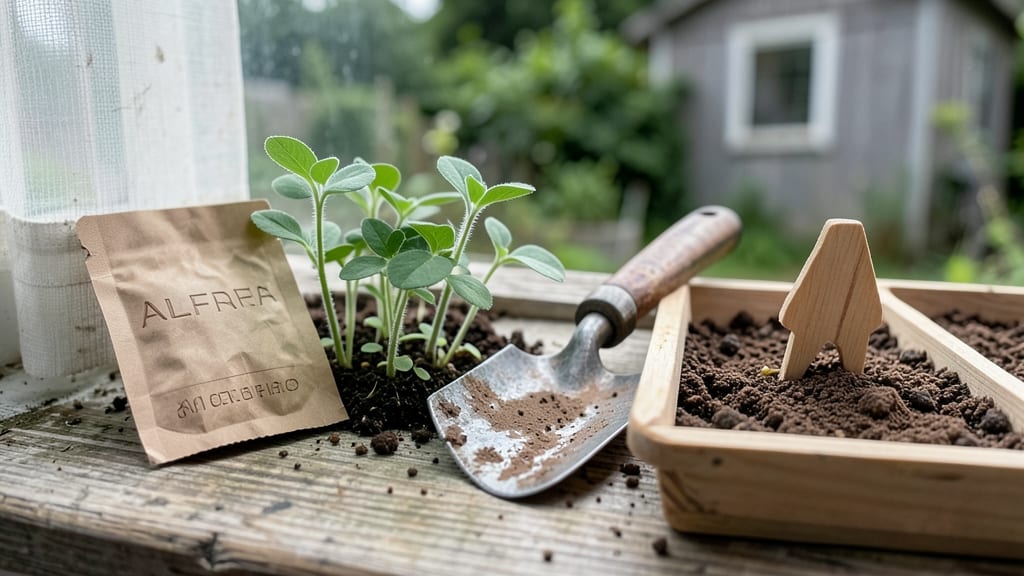
Planting alfalfa at the wrong time in Oklahoma could mean the difference between a thriving crop and wasted seeds—especially when dealing with USDA zones 6b-8a and unpredictable weather patterns.
Most gardeners know alfalfa 🌱 thrives in warm soil, but timing it right in Oklahoma’s climate means waiting for that perfect window between March and April or late summer’s August-September rush.
Too early, and frost will nip seedlings; too late, and summer heat can stress young plants before they establish roots.
What makes Oklahoma’s planting schedule tricky? It’s not just about frost dates—it’s about soil temperature, rainfall timing, and even regional microclimates that can shift ideal windows by weeks.
I’ll break down exactly when to plant for your specific corner of the state, so you can avoid common mistakes that derail even the most well-intentioned alfalfa growers.
Ready to set your crop up for success? Let’s dive into the science behind Oklahoma’s two best planting seasons and how to adjust for your local conditions—because getting it right the first time saves time, money, and frustration down the road.
Best planting months for alfalfa in Oklahoma by region
Alfalfa thrives in Oklahoma’s climate when planted during the right temperature window—typically between 50-60°F soil temps. The state’s three distinct regions (northern, central, and southern) have unique frost-free dates that dictate your planting schedule.
Missing these windows can lead to poor germination or stunted growth, especially in Oklahoma’s unpredictable springs.
Northern Oklahoma (USDA Zones 6b-7a) has the shortest growing season, while southern Oklahoma (Zone 8a) enjoys longer summers. This means your planting timeline should shift based on where you live.
For example, northern areas should aim for early April plantings, while southern regions can extend into late March or even late August for fall crops.
Here’s a quick comparison of the best planting months by region, including soil temperature thresholds and frost-free dates to guide your schedule:
| Region | Ideal Planting Months | Soil Temp Threshold | Frost-Free Date | Key Strategy |
|---|---|---|---|---|
| Northern OK (Zones 6b-7a) | March 20 - April 15 | 50-55°F | Late March - Early April | Use cold-tolerant varieties; avoid late spring plantings due to heat stress. |
| Central OK (Zones 7a-7b) | March 15 - April 30 | 50-60°F | Early March - Mid-April | Fall planting (August-September) works well for second crops. |
| Southern OK (Zone 8a) | February 20 - April 15 or August 15 - September 15 | 55-60°F | Late February - Early April | Extend growing season with fall plantings; monitor for late-season pests. |
For northern Oklahoma, early April is your best bet to avoid late frosts, which can kill young seedlings. I recommend testing soil temperature with a soil thermometer—wait until it consistently reads 50°F or higher for at least 5 inches deep.
In central Oklahoma, you have a slightly longer window, but don’t delay past mid-April or risk summer heat stress during germination.
Southern Oklahoma gardeners have the advantage of two planting windows: spring and fall. Fall plantings in late August to September allow alfalfa to establish roots before winter, often resulting in stronger stands the following spring.
Just be sure to choose drought-tolerant varieties like ‘Moapa’ or ‘CUF 101’ to handle Oklahoma’s dry spells.
One common mistake I see is planting alfalfa too early in February or early March, especially in northern areas. The soil is often still too cold, and seedlings may rot.
Instead, use this time to prepare your seedbed—till the soil, add compost, and adjust the pH to 6.8-7.5 for optimal growth. A well-prepared bed makes all the difference in Oklahoma’s variable climate.
If you’re planting in fall for a spring harvest, aim for late August to mid-September to give seedlings enough time to root before the first frost. In southern Oklahoma, this can extend into early October, but monitor local forecasts closely.
Fall-planted alfalfa often outperforms spring plantings because it avoids the peak heat stress of Oklahoma summers.
Pro tip: Use a planting calendar from your local Oklahoma Cooperative Extension Service for real-time updates on frost dates and rainfall predictions. They often adjust their recommendations yearly based on local weather patterns, which can shift due to climate changes.
For example, 2023 saw earlier last-frost dates in many areas, so don’t rely on outdated advice.
Finally, remember that alfalfa is a perennial crop, meaning it can live for 3-5 years with proper care. Planting at the right time ensures your stand will be dense and productive from the start, reducing the need for replanting.
With Oklahoma’s climate, getting this timing right is half the battle for a successful alfalfa crop. 🌱
How Oklahoma’s weather affects alfalfa germination success
Alfalfa germination in Oklahoma hinges on three critical weather factors: soil temperature, rainfall consistency, and heat timing. Unlike cooler climates, Oklahoma’s spring droughts and sudden summer heat can derail even the best-laid planting plans.
I’ve seen firsthand how a 5-day dry spell after sowing can reduce germination rates by 40%, while proper timing can push survival rates above 90%.
Your planting window must align with soil temperatures between 50-60°F—any colder, and seeds linger dormant; any hotter, and they risk heat stress.
In Oklahoma, this typically means late March to early April for spring plantings, but southern regions like Lawton or Tulsa can start 2-3 weeks earlier if conditions cooperate. The key is checking your 7-day forecast for consistent moisture in those first 10 critical days after sowing.
⚠️ Critical Weather Warning for Alfalfa Planting
Planting alfalfa in Oklahoma without checking these 3 weather conditions risks failed germination. Always verify:
- ✅ Soil temp ≥50°F (use a soil thermometer—don’t guess!)
- ✅ 1+ inch rainfall within 7 days of planting
- ✅ No 90°F+ forecasts for the first 2 weeks
Drought is the #1 enemy of young alfalfa seedlings. Oklahoma’s spring dry spells (common in April-May) can turn your freshly sown field into a crusty wasteland if you don’t irrigate.
I recommend drip irrigation or furrow systems to deliver ½ inch of water every 3-4 days until seedlings reach 4 inches tall. Without this, your germination rates could plummet to 30% or lower.
Heat stress is another silent killer. Alfalfa seeds won’t germinate if soil temps exceed 85°F for more than 24 hours. In Oklahoma’s southern regions, this means late April plantings are often too risky—unless you’re using shade cloth or mulch to keep soil cool.
For summer plantings (August-September), aim for early evening sowing to avoid the hottest afternoon sun.
Your pre-planting weather checklist should include:
- ☑️ Check USDA Planting Maps for your Oklahoma USDA Zone (6b-8a)
- ☑️ Monitor 7-day rainfall forecasts (NOAA’s Climate Prediction Center is free!)
- ☑️ Test soil moisture with a trowel test (dig 6 inches—if dry, irrigate)
- ☑️ Avoid planting if high winds (>15 mph) are forecasted
Pro tip: If your spring planting window closes due to drought or heat, consider fall plantings in September. While yields may be 20-30% lower, they’re far more reliable than stressed summer seedlings.
Just ensure your soil stays above 55°F through October—Oklahoma’s early frosts can kill young plants overnight.