
Companion Plants
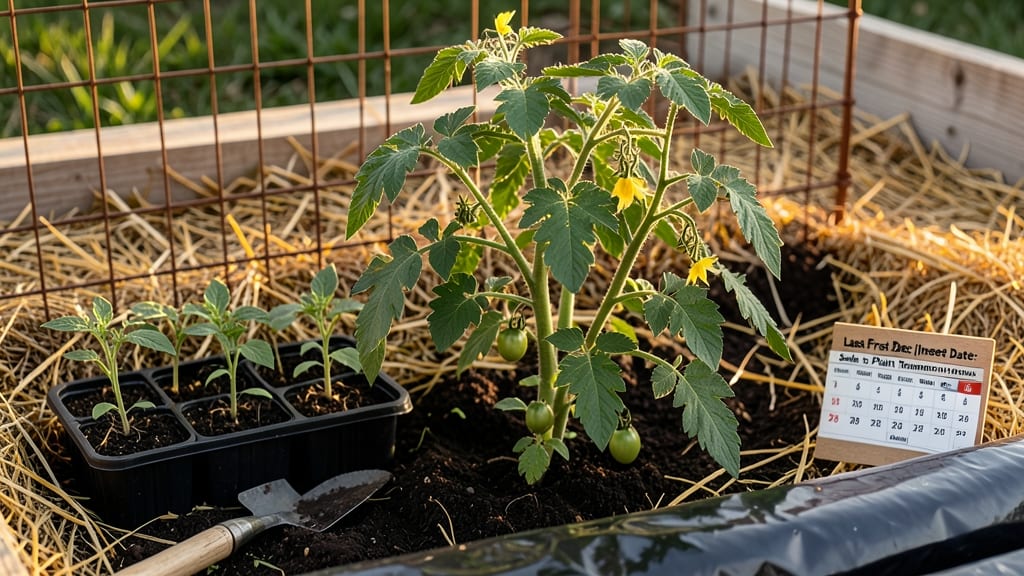
Planting your 🍅 tomatoes at the wrong time in Illinois can mean the difference between a garden full of juicy red slices and a sad, frost-nipped disappointment. The key isn't just waiting for spring—it's understanding your exact USDA 5b-6b zone, soil warmth, and those tricky frost dates that shift yearly.
Most gardeners in Illinois rush to plant too early, only to watch their seedlings shiver when nighttime temps dip below 50°F. But timing isn't just about avoiding frost—it's also about giving your plants enough warm days to mature before fall's first chill.
Whether you're in Chicago's cooler north or St. Louis' milder south, getting this right means more tomatoes on your plate.
I'll walk you through the exact planting windows for your county, plus smart tricks to stretch your growing season—like using row covers or choosing heat-tolerant varieties. No more guessing games, just a foolproof plan to turn your garden into a tomato powerhouse.
Ready to go from "maybe next year" to "harvest in 70 days?" Let's get started with the perfect planting schedule for your Illinois garden.
Illinois frost-free dates by County: exact tomato planting windows
Timing your tomato planting in Illinois depends on your USDA Hardiness Zone and last frost dates. Northern Illinois (Zone 5b) has later frost dates than Southern Illinois (Zone 6b), creating a 3-4 week difference in planting windows.
Even within a county, microclimates can shift planting by 10 days or more. Let's break down the exact windows for early, mid-, and late-season varieties.
For Northern Illinois (Chicago area), the average last frost date is April 25-30, but urban areas like Cook County may experience frost 5-7 days later due to heat island effects.
In Central Illinois (Springfield), frost typically lifts by April 15-20, while Southern Illinois (St. Louis) sees frost-free conditions by March 25-April 5. These dates determine when to move transplants outdoors or start direct sowing.
Here’s the key rule for Illinois tomato planting: Wait until soil temperatures reach 60°F (15°C) and nighttime temps stay above 50°F (10°C). Cold soil slows germination, and frost damage can kill young plants. Use row covers if planting 2-3 weeks early in Zone 5b areas.
| Region | Avg. Last Frost | Safe Planting Window | Early Varieties | Mid-Season | Late Varieties |
|---|---|---|---|---|---|
| Northern IL (Chicago, Zone 5b) | April 25-30 | May 10-15 | Early Girl (50 days) | Better Boy (70 days) | Brandywine (80 days) |
| Central IL (Springfield, Zone 5b-6a) | April 15-20 | April 25-May 5 | Stupice (48 days) | Sungold (55 days) | Cherokee Purple (85 days) |
| Southern IL (St. Louis, Zone 6b) | March 25-April 5 | April 10-20 | Mountain Merit (50 days) | Celebrity (68 days) | Black Krim (80 days) |
| Northern IL (Dekalb, Zone 5a) | May 5-10 | May 20-25 | Patio (45 days) | Roma (70 days) | San Marzano (85 days) |
| Southern IL (Carbondale, Zone 6a) | April 1-5 | April 15-25 | Tiny Tim (40 days) | Sweet 100 (60 days) | Amish Paste (75 days) |
For Northern Illinois, like Cook County, plant transplants after May 10 to avoid frost. Early Girl and Stupice are top choices for short seasons, maturing in 50-55 days.
In Central Illinois (e.g., Champaign County), you can start direct sowing by April 25 for mid-season varieties like Better Boy. Southern Illinois gardeners enjoy a 2-week head start, with St. Louis County often planting Sungold by April 15.
If you’re in Zone 5b and face an unusually late frost, opt for container gardening or use black plastic mulch to warm soil faster. Late-season varieties like Brandywine need 80+ days, so plant them by May 15 in Northern Illinois to ensure harvest before frost.
Always check your local cooperative extension for year-specific adjustments—2023’s frost dates may vary from averages.
For fall planting, Illinois gardeners can extend the season by 6-8 weeks using row covers or cold frames. Start transplants indoors by July 15 for a September harvest.
How to adjust tomato planting for Illinois microclimates
Illinois' diverse microclimates—from Chicago's lake-effect zones to Southern Illinois' river valleys—can shift your tomato planting window by 2-3 weeks. Urban heat islands in cities like Peoria or Springfield trap warmth, while high-altitude areas like Galena face cooler soils.
Understanding these variations lets you extend your harvest or avoid late-season losses.
For example, Northern Illinois gardeners (USDA Zone 5) often plant 3 weeks later than those in Southern Illinois (Zone 6). But with the right adjustments—like row covers or cold frames—you can push your planting window 10-14 days earlier in protected spots. Let’s break down how to tailor your approach.
- 1
- 2
- 3
- 4
- 5
If you’re gardening in containers, like on a Chicago balcony or St. Louis rooftop, heat up your pots by placing them on black plastic trays or using self-watering fabric pots.
These absorb and retain heat better than traditional clay pots, giving you a 5-7 day head start on soil warming.
For high-altitude gardens, like those in Carbondale or Galena, focus on cold-hardy varieties like 'Mountain Merit' or 'Siletz'. These tolerate cooler soils and 50°F nighttime temps, letting you plant 10 days earlier than with traditional varieties. Pair them with straw mulch to insulate roots.
Don’t forget about late-season extensions! In Southern Illinois, where frost hits later, use low tunnels to protect plants until October 15. This can add 3-4 more weeks of harvest time. Just ensure good airflow to prevent blossom-end rot from excess moisture.
Pro tip: Monitor your local Almanac frost predictions and adjust by 5-7 days based on your microclimate. For example, if your neighborhood is 2°F warmer than the county average, shift your planting date 3-5 days earlier.