
Plants
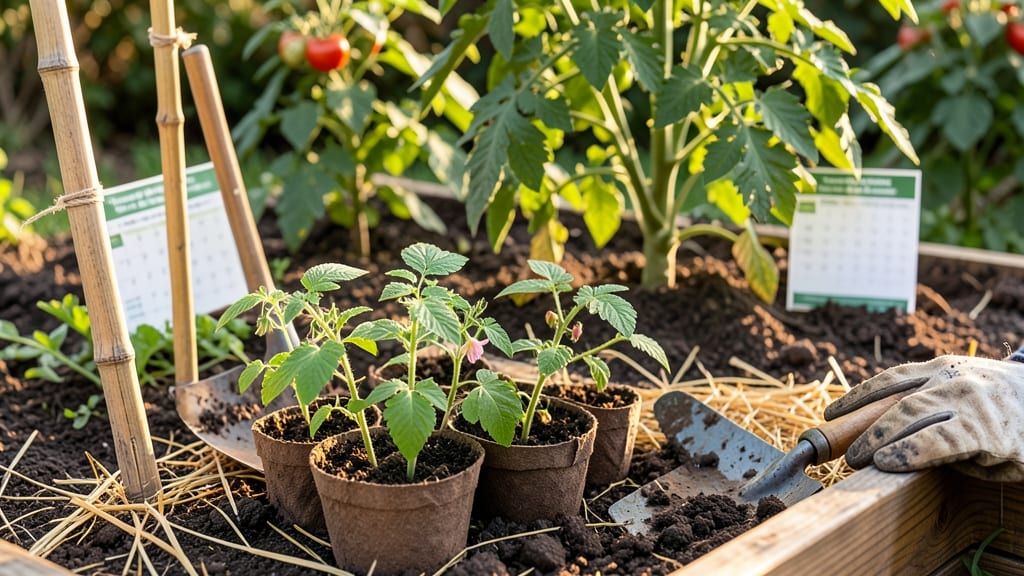
Planting tomatoes in Oklahoma isn't just about throwing seeds in the dirt—it's about timing your move to beat the heat, frost, and soil that's still too cold to grow those juicy 🍅 vines we all crave.
If you wait too late, you'll miss the sweet spot before summer scorches your plants. But rush it, and those tender seedlings will wilt in chilly soil.
The secret lies in knowing when your 60°F soil and 50°F nights align—usually between April 15 and June 1, but your exact ZIP code could shift that window by weeks.
I’ve grown tomatoes in Oklahoma’s 6a-7b zones for years, and I’ll show you how to check your microclimate, prep your soil, and even stretch your season with simple hacks. No more guessing—just zero-fail harvests from June to October.
Ready to turn your garden into a tomato powerhouse? Let’s dive into the exact steps that’ll have your plants thriving while your neighbors are still debating whether to plant at all.
Oklahoma’s ideal tomato planting timeline: soil temperature & frost-free rules
Timing your tomato planting in Oklahoma isn’t just about avoiding frost—it’s about catching the sweet spot between soil warmth and stable nighttime temps. Tomatoes thrive when the ground reaches at least 60°F, but rushing too early risks cold damage or stunted growth.
Oklahoma’s USDA zones 6a-7b create microclimates where last frost dates can vary by 2-3 weeks, making local research your best friend.
For most of Oklahoma, the ideal planting window stretches from mid-April to early June, but this shifts dramatically from the Panhandle’s cooler zones to the Southeast’s warmer microclimates.
Start seeds indoors 6-8 weeks before your last frost date to give seedlings a head start, or buy healthy transplants from local nurseries once soil temperatures stabilize.
Here’s the non-negotiable rule: Never plant outdoors until nighttime temps stay above 50°F consistently. Cold snaps after planting can shock young plants, leading to blossom end rot or poor fruit set. Use a soil thermometer to verify warmth—60°F+ at 4 inches deep is your green light.
| Region | Last Frost Date | Safe Planting Window | Soil Temp Requirement | Nighttime Temp Rule |
|---|---|---|---|---|
| Panhandle (USDA 6a-7a) | April 15–May 1 | May 10–June 1 | 60°F+ (4" deep) | 55°F+ for 5+ nights |
| Central Oklahoma (USDA 7a-7b) | March 20–April 5 | April 15–May 15 | 60°F+ (4" deep) | 50°F+ for 7+ nights |
| Southeast Oklahoma (USDA 7b-8a) | March 1–March 15 | March 20–April 30 | 58°F+ (4" deep) | 48°F+ for 5+ nights |
| All Regions (Greenhouse/Extended) | N/A (protected) | March 1–June 15 | 55°F+ (4" deep) | 45°F+ (with protection) |
*Check your ZIP code via Old Farmer’s Almanac for precise dates.
Pro tip: Use black plastic mulch or straw bales to warm soil faster in cooler zones. These methods can push your planting window 1-2 weeks earlier by trapping heat and suppressing weeds. Just remove mulch after planting to avoid overheating roots.
If you’re in a warmer microclimate (like Oklahoma City’s urban areas), you can even plant early varieties like ‘Stupice’ or ‘Mountain Merit’ as soon as soil is workable in late February. These cold-tolerant types handle 45°F nights better than heirlooms, giving you a jump on the season.
For container gardening, soil warms up faster in pots, so you can plant 2-3 weeks earlier than in-ground. Just ensure containers have drainage holes and use a heat-absorbing fabric (like black landscape fabric) under pots to retain warmth overnight.
Always verify readiness with a frost watch from the National Weather Service or your local cooperative extension office. A late frost in May can wipe out young plants overnight—don’t skip this step, even if your neighbors are already harvesting.
Remember: Tomatoes hate cold feet. If your soil is below 60°F at planting, roots won’t establish properly, leading to poor yields or blossom drop. Invest in a $10 soil thermometer—it’s the best $10 you’ll spend this season.
Once you’ve nailed the timing, pair it with proper spacing (18–24 inches apart for indeterminate varieties) and cage support to avoid disease. Now go forth and plant—your juicy, vine-ripened tomatoes are waiting! 🍅
Microclimate hacks for Oklahoma gardeners: how to extend your tomato growing season
Oklahoma’s diverse microclimates—from the cool Panhandle to the humid Southeast—mean your tomato planting window can stretch or shrink dramatically. The key? Using season-extending tools to push boundaries while minimizing risks like late frosts or heat stress.
I’ve tested these methods in my own garden, and they’ve added 4-6 weeks to both early and late seasons.
For early planting (before April 15), focus on soil warming and frost protection. In the Panhandle (Zone 6a), where nights can dip below 40°F in April, I’ve had success with black plastic mulch combined with row covers.
Meanwhile, in Southeast Oklahoma (Zone 7b), the real challenge is humidity and fungal diseases, so I prioritize airflow and disease-resistant varieties.
🌱 Extending Tomato Season in Oklahoma: Pros & Cons
Method
Pros
Cons
Black Plastic Mulch
✅ Warms soil 10-15°F faster, speeds germination
✅ Suppresses weeds, retains moisture
⚠️ Must remove before harvest to avoid soil burn
⚠️ Can overheat soil in Zone 7b+
Row Covers
✅ Protects from late frosts down to 28°F
✅ Extends season by 3-4 weeks early/late
⚠️ Reduces airflow, increases humidity (fungus risk)
⚠️ Requires sturdy stakes for wind
Cold Frames
✅ Allows overwintering in mild zones (7b+)
✅ Starts seedlings 4-6 weeks earlier
⚠️ High maintenance (ventilation, cleaning)
⚠️ Risk of overheating in summer
Drip Irrigation + Mulch
✅ Maintains consistent moisture, reduces stress
✅ Prevents soil-borne diseases
⚠️ Initial setup cost for automated systems
⚠️ Mulch can harbor pests if not fresh
My go-to hack for late-season tomatoes is combining drip irrigation with straw mulch. This keeps roots cool in Zone 7b’s scorching summers while preventing blossom drop.
For early starts, I swear by cold frames in my Southeast Oklahoma garden—they’ve let me plant transplants in early March without frost damage.
However, risk assessment is critical. In the Panhandle, a cold snap in May can wipe out unprotected plants, while Southeast Oklahoma’s humidity turns row covers into fungus incubators if not ventilated. Always monitor 7-day forecasts and have backup covers ready.
For container growers, black pots absorb heat—place them on reflective surfaces (like white trays) to avoid root burn. And if you’re in Zone 6a, consider heirloom varieties like ‘Cherokee Purple’, which handle cooler temps better than hybrids.
Just remember: no shortcuts on soil prep—amend with compost and aged manure to give roots a fighting chance.
Start small, track your microclimate’s quirks, and soon you’ll be harvesting tomatoes in October when neighbors are giving up. The secret? Adapt, protect, and observe—your plants will thank you with bigger, sweeter fruit. 🌱