
Plants
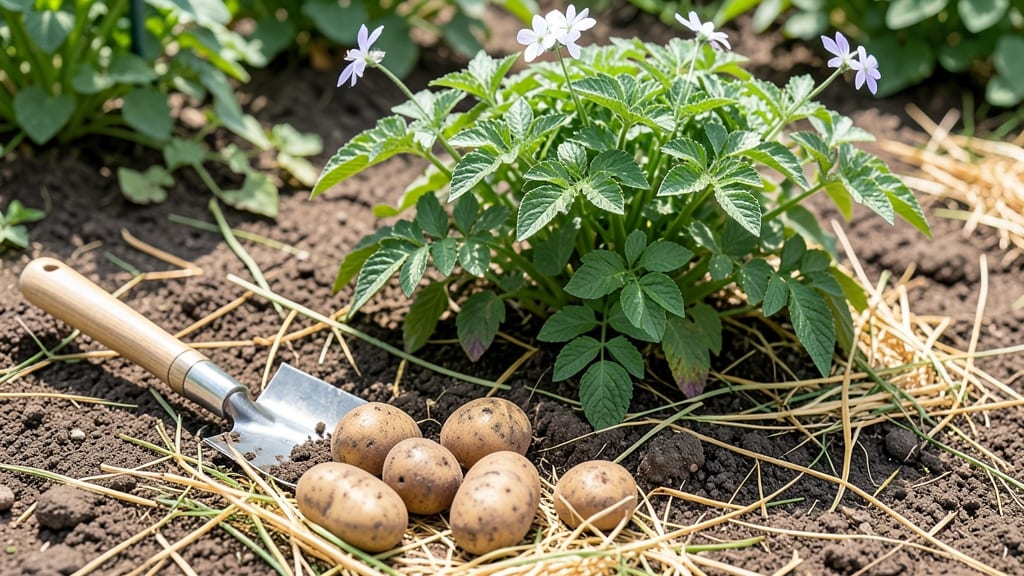
Timing when is the best time to plant potatoes in Georgia wrong could mean the difference between a bumper crop of crisp, homegrown 🥔 and a sad, wilted mess in the garden.
The key to success? Understanding when the soil warms up enough for fast germination—and avoiding the pitfalls of Georgia’s unpredictable spring weather.
Most gardeners in USDA zones 7b-8b swear by planting between February and March for early varieties, but that window shifts depending on where you live in the state.
Whether you're in the Piedmont hills or the Coastal Plain, getting the timing right means checking soil temperatures and knowing when frost threats have passed.
I’ve spent years testing different planting strategies, and what I’ve learned will help you skip the guesswork. From soil prep tricks to regional adjustments, you’ll discover exactly when to put those seed potatoes in the ground for the fastest, most reliable harvests in Georgia’s climate.
Ready to grow potatoes that outperform store-bought? Let’s dive into the science—and the secrets—that make all the difference in your garden’s success.
Georgia’s ideal potato planting window: soil temperature rules for fast germination
Georgia’s USDA zones 7b-9a create a unique challenge for potato growers—plant too early, and your seed potatoes rot in cold, wet soil. Plant too late, and you risk late blight or stunted growth from summer heat.
The secret? Soil temperature between 45°F-55°F triggers fast, even germination. This window usually falls between mid-February and early April, but regional microclimates shift those dates dramatically.
In the mountain regions (Zone 7b), like the Blue Ridge, soil warms slowly, so aim for late March planting to avoid frost damage. Meanwhile, the coastal plains (Zone 9a) can plant as early as February—but only if you’ve pre-warmed the soil.
Understanding these microclimate differences means the difference between a bumper crop and a failed patch.
Here’s the golden rule: Potatoes need consistent soil temps above 45°F to sprout reliably. Below that, germination stalls, and your seed potatoes waste away. Use a soil thermometer (just $10 at garden centers) to check temps at 4-inch depth—that’s where your spuds will live.
If your thermometer reads below 45°F, wait. Patience here prevents rot and uneven growth later.
Early varieties like Yukon Gold or Red Pontiac thrive when planted in February-March, while late varieties such as Russet or Kennebec can wait until April.
The key? Adjust based on your last frost date—plant 4-6 weeks before the average last frost (typically March 15 in most of Georgia) to give tubers time to mature before summer heat sets in.
| Region | Ideal Planting Window | Soil Temp Threshold | Best Varieties | Harvest Window |
|---|---|---|---|---|
| North Georgia (Zone 7b) | Late March - Early April | 48°F - 52°F | Yukon Gold, Red LaSoda | May - June |
| Central Georgia (Zone 8a) | Mid-February - March | 50°F - 55°F | Kennebec, Russet | April - May |
| South Georgia (Zone 9a) | February - Early March | 52°F - 58°F | Sweet Potato (yes!), Purple Viking | March - April |
To test your soil’s readiness, dig a 4-inch hole and place your thermometer in the bottom. If it reads below 45°F, cover the bed with black plastic mulch for 1-2 weeks to warm the soil faster.
Pro tip: Chit your seed potatoes (expose them to light for 2-4 weeks before planting) to jumpstart sprouting—this gives you a 2-week head start on germination.
Georgia’s humidity and heat also demand smart spacing. Plant seed potatoes 3-4 inches deep and 12 inches apart in rows 3 feet apart to improve airflow and reduce disease risk.
Add compost or aged manure to the planting hole for a nutrient boost, but avoid fresh manure—it can burn tender sprouts and attract pests.
For fall planting (a trick some Georgia gardeners use for late harvests), aim for late July-August with early-maturing varieties like Adirondack Red. These potatoes need to harvest before the first frost (Nov 15), so time it right or risk frost-damaged tubers.
Use row covers in late September to extend the season if needed.
One common mistake is ignoring the moisture balance after planting. Potatoes need consistent moisture but hate soggy soil. Water deeply once a week (or more in dry spells) to keep the soil evenly moist.
Mulch with straw or grass clippings to retain moisture and suppress weeds—this keeps your soil warm and stable for faster growth.
By mastering soil temperature and regional timing, you’ll turn Georgia’s climate into your potato-growing advantage. Start with the right variety, plant at the perfect soil temp, and watch your spuds sprout in 10-14 days instead of weeks. Happy planting—and may your harvest be bountiful! 🌱
Step-by-step guide: when to plant potatoes in Georgia’s 3 key regions
Georgia’s diverse climate means your potato planting timeline depends heavily on where you live. North Georgia’s cooler mountain air demands earlier starts, while South Georgia’s humid coastal plains allow later plantings.
Even Central Georgia (like Atlanta) has subtle microclimates that shift your ideal window by weeks. Let’s break down the exact dates and prep work for each region to maximize your harvest.
Before we dive into dates, here’s the golden rule: Potatoes thrive when soil temps hit 45°F-55°F. Use a soil thermometer to check—planting too early in cold soil leads to rot, while waiting too long risks blight.
For fall harvests, you can push planting into July, but only with disease-resistant varieties like Kennebec or Red LaSoda.
Plant: Mid-February to early March
Soil temp: 45°F+
Harvest: May-June
Plant: Late February to March
Soil temp: 50°F+
Harvest: June-July
Plant: March-April
Soil temp: 55°F+
Harvest: July-August
For North Georgia gardeners, start chitting seeds (placing cut potatoes in light) in late January to jumpstart growth. Use a row cover after planting to protect from late frosts—even Atlanta’s last frost average is March 15, but mountain areas can see frost until April 1.
Pro tip: Plant early varieties like ‘Yukon Gold’ first, then follow with later maturing types like ‘Russet’ for a staggered harvest.
In Central Georgia, where Atlanta’s urban heat islands can push soil temps faster, aim to plant by March 1 for a June harvest. If you’re in the coastal plains, wait until April 1—soil stays warmer longer, but humidity increases blight risks.
Always rotate crops: Never plant potatoes in the same spot two years in a row to prevent verticillium wilt.
Extend your season with fall plantings: In North Georgia, try July 1 for a September-October harvest before first frost. For South Georgia, push to August 1 with drought-resistant varieties like ‘Sweetheart’—just watch for wireworms, which thrive in sandy coastal soils.
Mulch heavily with straw to retain moisture and suppress weeds.
Remember: Soil prep is half the battle. Work in compost or aged manure 2-3 weeks before planting, and avoid fresh nitrogen—it burns tender sprouts. Test your soil’s pH (aim for 5.0-6.5), and if it’s too acidic, add lime in fall.
With these region-specific tweaks, you’ll go from seed to spud in record time—no more waiting for store-bought potatoes!