
Plants
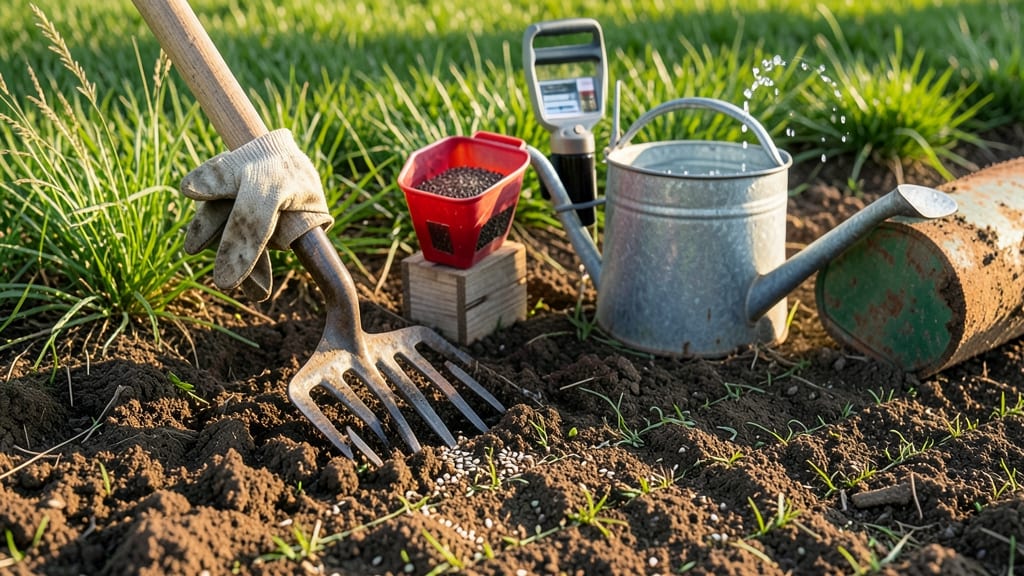
Planting grass seed at the wrong time in Maryland can turn your spring lawn dreams into a wasted effort—frost, heat, or drought can kill seeds before they even sprout.
The best time isn’t just about the season; it’s about beating Maryland’s last frost in your county and avoiding summer’s scorching heat.
For most of Maryland’s 6a-7b zones, early fall (September-October) and late spring (April-May) offer the ideal window for cool-season grasses like tall fescue. But timing varies by county—Baltimore’s urban heat island delays planting later than Frederick’s cooler Piedmont air.
I’ll break down the exact deadlines to avoid frost damage and maximize germination.
You’ll also discover how to adjust for Maryland’s microclimates, from coastal breezes in Anne Arundel to the extra warmth of Baltimore City. Plus, I’ll share the 3 biggest mistakes gardeners make (like planting too late in fall or ignoring soil prep) and how to skip them entirely.
Ready to grow a lush lawn without the guesswork? Let’s dive into the perfect planting schedule for your Maryland yard—no more wasted seed or frustrating regrowth.
Maryland’s frost-free planting windows by county: exact dates for cool-season grass seed
Maryland’s last frost dates vary dramatically across its 23 counties, making timing everything for cool-season grass seed like tall fescue and Kentucky bluegrass. Plant too early, and frost will kill tender sprouts; too late, and summer heat stunts germination.
The key is 4-6 weeks before first frost in fall or 2-3 weeks after last frost in spring.
For Baltimore County and Prince George’s County, urban heat islands can delay last frosts by 5-7 days compared to rural areas. Meanwhile, Western Maryland (Frederick, Washington) often sees frost 1-2 weeks earlier than coastal regions like Anne Arundel.
Use these county-specific windows to align your planting with soil temperatures of 50-65°F for best results.
🌱 PRO TIP: Test soil temperature with a soil thermometer—cool-season grasses need 50°F+ to germinate consistently. If temps dip below 45°F, delay planting until conditions stabilize.
In Northern Maryland (Garrett, Allegany), the last frost can arrive as early as March 30, giving you a 2-week head start over southern counties.
For Kent and Queen Anne’s, coastal breezes often push last frosts to April 10-15, so don’t rush—wait for consistent 50°F+ soil temps to avoid frost damage to new seedlings.
For tall fescue and Kentucky bluegrass, aim to finish planting 6 weeks before first frost to allow 4-6 weeks of growth before winter dormancy. Perennial ryegrass, which germinates faster, can tolerate slightly later plantings but still needs 3-4 weeks of growth before cold snaps.
🌡️ WARNING: Maryland’s 2023-2024 weather patterns showed unpredictable late frosts in May. Use frost cloth if planting early spring or monitor NOAA frost predictions for your county. A single 28°F night can kill young grass, even if the calendar says "safe."
If you miss the primary window, don’t panic—late summer plantings (August) can work in cooler microclimates like Western Maryland. Just reduce watering slightly to prevent fungal diseases in humid fall air.
For Baltimore’s urban heat, late August plantings may need light shade cloth to protect seedlings from 90°F+ afternoons.
For overseeding existing lawns
How to adjust planting timing for Maryland’s microclimates and soil conditions
Maryland’s microclimates create dramatic differences in planting success—what works in Frederick’s Piedmont may fail in Baltimore’s urban heat island. Coastal areas like Anne Arundel experience milder winters, while inland zones face harsher frost risks.
Adjusting your planting schedule based on these conditions can mean the difference between a lush lawn and wasted seed.
Soil temperature is your #1 guide—grass seed needs 50–60°F soil temps to germinate. In Baltimore City, urban pavement delays warming, while coastal regions warm faster due to ocean influence.
Use a soil thermometer (or the "barefoot test"—can you keep your foot on the soil for 5 seconds?) to confirm readiness before planting.
Here’s how to adapt your timing for Maryland’s key zones:
- Extended spring window (plant 2–3 weeks later)
- Soil warms faster in paved areas
- Less frost risk in microclimates
- Earlier planting (2–4 weeks sooner)
- Milder winters reduce frost damage
- Higher humidity aids germination
- Traditional timing works best
- Cooler nights reduce heat stress
- Well-drained soil improves success
- Higher evaporation needs more watering
- Heat stress if planted too early
- Pollution/soil compaction in cities
- Salt air can damage seedlings
- Wind exposure requires protection
- Soil salinity near shorelines
- Later frost risk in valleys
- Drier soil needs irrigation
- Limited extension tools available
Urban: Use mulch to retain moisture
Coastal: Plant frost cloth for late fall
Piedmont: Test soil pH (aim for 6.0–7.0)
For urban heat islands, extend your planting window by using lightweight mulch (straw or shredded leaves) to keep soil cool and moist. In Anne Arundel’s coastal zones, lay down frost cloth 4–6 weeks before the first frost to protect seedlings from unexpected chills.
Meanwhile, Frederick’s Piedmont benefits from soil amendments—add compost to improve drainage and water retention.
Rainfall patterns also dictate timing. Maryland’s spring showers can delay planting in low-lying areas, while summer droughts in inland zones may require pre-watering. Check your local NOAA climate data for 30-day forecasts before committing to a planting date.
For example, Baltimore’s average 1.5-inch weekly rainfall in May can saturate soil, while Frederick’s drier conditions may need supplemental irrigation.
If you’re planting in high-risk zones (like late May or early October), use row covers or cold frames to create a microclimate that mimics ideal conditions. For cool-season grasses like tall fescue, aim to plant when daytime highs are 70–80°F—this balances growth speed with frost avoidance.
In coastal areas, where winters are milder, you can push planting into early November with protection.
Remember: Maryland’s soil temperature lags behind air temperature by 1–2 weeks. Wait until the 50°F threshold is met at a 4-inch depth—this is your green light. For urban gardeners, consider raised beds filled with amended soil to warm faster than compacted city soil.
With these adjustments, you’ll turn Maryland’s microclimate challenges into opportunities for a thriving lawn year-round. 🌱