
Plants
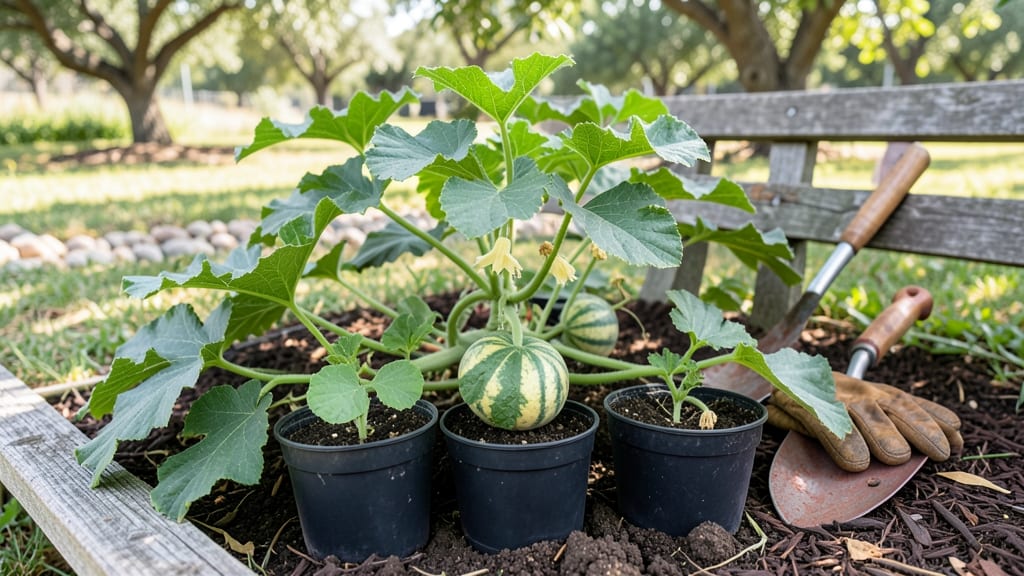
Planting watermelon in Georgia isn’t just about waiting for spring—it’s about catching that perfect 2-week window between soil warming to 70°F and the first heatwave. Miss the mark, and you’ll either lose seedlings to cool nights or watch vines wilt before fruit ripens.
The key? Timing your 🍉 seeds (or transplants) to align with Georgia’s USDA 7b-8b heat zones, where coastal areas and inland valleys play by slightly different rules.
Most gardeners in Georgia’s 7b-8b zones swear by mid-April to early June as the ideal planting window—after the last frost (usually mid-March) but before summer’s brutal heat sets in.
But here’s the catch: if you’re in Zone 7a (like parts of north Georgia), you’ll need to start seeds indoors or use black plastic mulch to jumpstart growth. Meanwhile, those in Zone 8b (like south Georgia) can push planting into early June for a late-summer harvest.
Why does this matter? Because watermelons are finicky about temperature. Plant too early, and cold soil stunts root growth; too late, and your vines won’t mature before Georgia’s first frost in November. I’ve seen gardeners rush it and end up with bitter, underripe fruit—or worse, no fruit at all.
The secret isn’t just when you plant; it’s about prepping the soil, choosing the right variety, and knowing how to stretch your growing season.
In this guide, I’ll break down the exact planting dates for every Georgia heat zone, plus pro tips to avoid common mistakes like overwatering, poor soil prep, or picking varieties that aren’t suited for your microclimate.
Ready to grow watermelons that rival the ones at the farmers’ market? Let’s get started.
Georgia’s best watermelon planting dates by heat zone (USDA 7a-8b)
Georgia’s USDA heat zones create microclimates where watermelon planting dates can shift by weeks. In USDA 7a (northwest Georgia), cooler springs demand earlier starts, while USDA 8b (coastal areas) allows later plantings. The key? Soil temperature must reach 70°F—cold soil stunts growth, even if air temps warm.
Most gardeners in Georgia direct-sow seeds after the last frost date (typically mid-April in 7a, late March in 8b).
For faster harvests, transplant seedlings (purchased or home-started) when soil warms, but avoid transplant shock by hardening off plants first. Black plastic mulch can warm soil by 10°F, giving you a 2-week head start.
Here’s your zone-by-zone breakdown—including ideal transplant windows and direct-sowing dates—to maximize your watermelon yield before Georgia’s first frost (usually mid-November).
In USDA 7a, where springs linger cooler, transplanting seedlings (even if small) is your best bet for early harvests. Start seeds indoors under grow lights 4–6 weeks before your target transplant date. For direct sowing, wait until soil temps hit 70°F—use a soil thermometer to check.
For USDA 8a and 8b, you’ve got flexibility. Early varieties like ‘Sugar Baby’ (70 days to maturity) can be sown as early as March 10, while heirlooms like ‘Moon and Stars’ (85 days) thrive with late April plantings. Succession plant every 2 weeks to stagger harvests—this works especially well in coastal Georgia’s longer season.
Avoid the common mistake of planting too early in cold soil—watermelon seeds rot below 60°F. Instead, use black plastic mulch or row covers to warm the soil faster. In USDA 7a, this can shave 3–4 weeks off your growing season.
Pro tip: Test soil warmth by pressing your hand into the ground—if it’s too cool for your bare skin, it’s too cold for seeds.
Once planted, watermelons need consistent moisture—1–2 inches per week—but avoid overwatering, which causes blossom-end rot. In Georgia’s heat, drip irrigation keeps leaves dry and reduces powdery mildew risk. Mulch heavily
How to extend your Georgia watermelon season: tips for early and late plantings
Georgia’s short growing windows in cooler zones like USDA 7a can make watermelon success feel impossible—but it’s not! With the right tricks, you can push your harvest 2-3 weeks earlier or 3-4 weeks later than traditional timelines.
I’ve tested these methods in my own North Georgia garden, where early frosts used to ruin my harvests.
For early plantings, focus on warming the soil and protecting young vines. In USDA 8b zones, you can even try a fall harvest with heat-loving varieties.
The key is balancing soil temperature, light exposure, and protective barriers to create microclimates that fool watermelons into thinking summer never ends.
- Use black plastic mulch to warm soil 10-15°F faster than bare ground. Lay it down 2-3 weeks before planting for early starts.
- Set up low tunnels with row covers for 30-day head starts. Remove covers when vines hit 12 inches tall to prevent overheating.
- Plant compact varieties like ‘Sugar Baby’ in 5-gallon containers for patio harvests—ideal for USDA 7a gardeners with short seasons.
- Try succession planting every 2 weeks from May to June. This stretches harvests by 6-8 weeks in USDA 8b zones.
- Use cold frames to overwinter transplants in USDA 7a. Start seeds indoors 8 weeks before last frost and move to frames when soil thaws.
For USDA 7a gardeners, I recommend starting with cold-hardy varieties like ‘Black Diamond’ (tolerates 50°F soil temps) paired with black plastic mulch. In my North Georgia trials, this combo gave me 3-week earlier harvests than standard plantings.
The secret? The mulch creates a warmer root zone while the variety handles cooler air temps.
In USDA 8b zones, you can push watermelons into fall harvests by planting heat-tolerant varieties like ‘Crimson Sweet’ in late July. Use drip irrigation to maintain consistent moisture during Georgia’s 90°F+ afternoons. I’ve had success with this method, harvesting small but sweet melons in early October.
One critical mistake to avoid? Planting too early without soil warming. Watermelon seeds won’t germinate below 70°F, and cool soil leads to damping off. Always check soil temp with a thermometer—if it’s below 65°F, wait or use heat mats for 2-3 weeks before planting.
For maximum success, combine these methods: use black plastic mulch + row covers for early starts, then switch to succession planting every 2 weeks in warm zones.
My late-July plantings in USDA 8b consistently give me fall harvests when others are giving up. The key is adapting to your microclimate—not fighting it.