
Plants
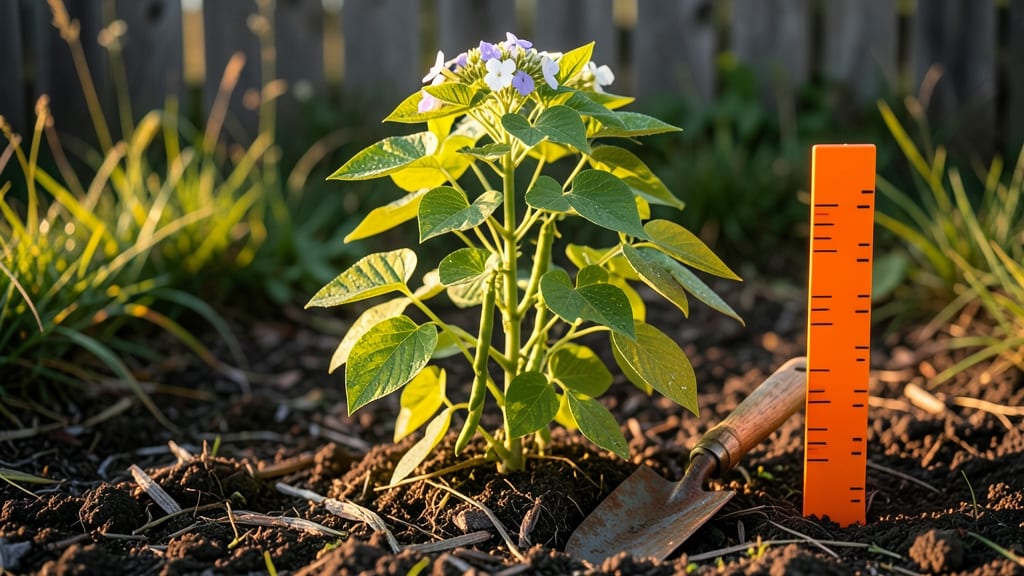
Planting soybeans 🌱 in Alabama at the wrong time can turn a promising crop into a frustrating gamble—especially when summer heat arrives too early or frost lingers longer than expected.
The key to success lies in understanding your region’s unique climate quirks, from North Alabama’s cooler springs to South Alabama’s rapid warming.
Most Alabama gardeners should aim to plant between mid-April and early June, but timing varies dramatically depending on whether you’re in the 7b or 8b zones. Waiting until soil temperatures hit at least 60°F ensures strong germination, while planting too late risks stunted growth before harvest season.
I’ll break down the exact planting windows for your area—whether you’re in the cooler hills of North Alabama or the warmer coastal plains of the South—plus how to choose early-maturing varieties that thrive in shorter growing seasons. No more guesswork, just science-backed dates tailored to your backyard.
Ready to maximize your yield? Let’s dive into the perfect planting schedule that keeps your soybeans healthy from seed to harvest, with pro tips from Alabama Cooperative Extension to back it up.
Optimal soybean planting dates in Alabama by region (2024 guide)
Alabama's diverse climate means your soybean planting dates should vary dramatically depending on whether you're in the cooler North, the transitional Central region, or the warmer South. Getting this right ensures your plants avoid frost damage in spring or heat stress in summer.
I'll break down the exact windows for each region, including soil temperature thresholds that determine when seeds will germinate reliably.
Soybeans thrive when planted after the last frost date and when soil temperatures consistently stay above 50°F (10°C). In Alabama, this typically means waiting until mid-April in the north and as late as early June in the south.
But let's dig into the specifics for each region to maximize your yield potential.
The key to successful soybean planting in Alabama lies in understanding your USDA hardiness zone and matching it with the right maturity group. North Alabama (zones 7a-7b) has shorter growing seasons, while South Alabama (zones 8a-8b) can support later plantings.
Central Alabama acts as a transition zone where you have flexibility but must monitor weather patterns closely.
Alabama Soybean Planting Comparison by Region
| Region | USDA Zone | Last Frost Date | Ideal Planting Window | Soil Temp Threshold | Maturity Group |
|---|---|---|---|---|---|
| North Alabama | 7a-7b | March 15-April 1 | April 15-May 15 | 50°F+ (10°C+) | Group III-IV |
| Central Alabama | 7b-8a | March 1-April 10 | April 1-May 31 | 55°F+ (13°C+) | Group IV-V |
| South Alabama | 8a-8b | February 15-March 15 | April 15-June 15 | 60°F+ (15°C+) | Group V-VI |
*Maturity groups indicate days to maturity - Group III matures in ~90 days, Group VI in ~120 days
For North Alabama growers, I recommend focusing on early-maturing varieties like 'Braxton' (Group III) that can complete their life cycle before the first frost in November. These varieties need to be in the ground by May 15 at the latest to avoid yield losses.
The cooler temperatures in this region mean you'll need to be especially vigilant about soil warming—wait until a 3-inch depth reaches 50°F consistently.
Central Alabama offers more flexibility with its longer growing season. Here, you can plant Group IV varieties like 'Dare' from April through May 31. The transition zone means you'll need to monitor weekly rainfall—soybeans need about 1-2 inches of water per week during flowering and pod development.
If your area experiences drought conditions, consider using drought-tolerant varieties like 'AGS 5301'.
In South Alabama's warmer climate, you can extend your planting window significantly. The heat-tolerant Group V-VI varieties like 'AGS 5404' can handle the region's high summer temperatures.
Planting as late as June 15 is often successful here, but you'll need to choose varieties with high heat tolerance to prevent flower abortion during Alabama's frequent summer heatwaves.
One critical factor I can't emphasize enough is soil preparation. Alabama's clay soils in many regions require special attention. Work in 2-3 inches of compost before planting and aim for a soil pH between 6.0-6.5.
Soybeans are nitrogen-fixing, but they still benefit from phosphorus-rich starter fertilizer to encourage strong root development before they begin fixing nitrogen themselves.
Remember that these are general guidelines—always check the Alabama Agricultural Statistics Service for the most current frost date data. In my experience, the 7-day forecast is more important than the average last frost date.
If a cold snap is predicted after your planting, consider using row covers or planting in slightly later windows to avoid frost damage to young seedlings.
For home gardeners with limited space, consider container growing of dwarf varieties. You can plant these in 5-gallon buckets and still achieve good yields, with the added benefit of being able to move containers to cooler microclimates if late-season heat becomes problematic.
Just remember that container-grown soybeans will need daily watering during hot periods.
How soil temperature and weather affect soybean germination in Alabama
Soybeans thrive when planted in Alabama's warm soil, but soil temperature is the #1 factor determining germination success. Seeds won't sprout reliably until the soil reaches 50°F (10°C), but ideal germination occurs at 60°F (15°C) or warmer.
In North Alabama, this typically means waiting until late April, while South Alabama can start as early as mid-March. Cold soil below 50°F slows germination and increases disease risk.
Alabama's rainfall patterns also play a critical role. Soybeans need consistent moisture during germination, but excessive rain can cause soil compaction or fungal issues.
Aim for 1-2 inches of rain per week or supplement with irrigation if drought threatens. Heat tolerance varies by maturity group—early varieties handle heat better than late ones, which is why adjusting planting dates matters.
| Factor | North Alabama | Central Alabama | South Alabama |
|---|---|---|---|
| Optimal Planting Window | Late April - Early May | Mid-April - Late May | Mid-March - Early June |
| Minimum Soil Temp | 60°F (15°C) | 55°F (13°C) | 50°F (10°C) |
| Heat Tolerance Stage | Early Maturity (Group IV-V) | Mid Maturity (Group III-IV) | Late Maturity (Group II-III) |
| Rainfall Needs | 1.5-2.5 inches/week | 1-2 inches/week | 1-1.5 inches/week |
For early-maturing varieties (Group IV-V), plant in late April to avoid summer heat stress.
These varieties take 90-100 days to mature, making them ideal for North Alabama's shorter growing season. Late-maturing varieties (Group II-III) should go in the ground by early June in South Alabama to ensure harvest before the first frost in November.
Watch for unseasonal heat waves, which can stress young seedlings. If temperatures rise above 90°F (32°C) before plants establish roots, consider using shade cloth or mulch to protect soil moisture. Alabama's humid climate also increases fungal risks, so avoid overhead watering during germination.
Adjust your planting dates based on local weather forecasts. If a cold snap is predicted after planting, delay until soil warms.
For home gardeners, test soil temperature with a soil thermometer—plant only when readings consistently stay above 55°F (13°C) for 5+ days. Professional growers often use black plastic mulch to raise soil temps faster.
Remember: soil temperature matters more than air temperature. Even if daytime air feels warm, cool nights can keep soil chilly. Use row covers or warm-season crops like sweet potatoes as living mulch to insulate soil. With the right timing, Alabama's climate can produce high-yielding soybean crops year after year. 🌱