
Plants
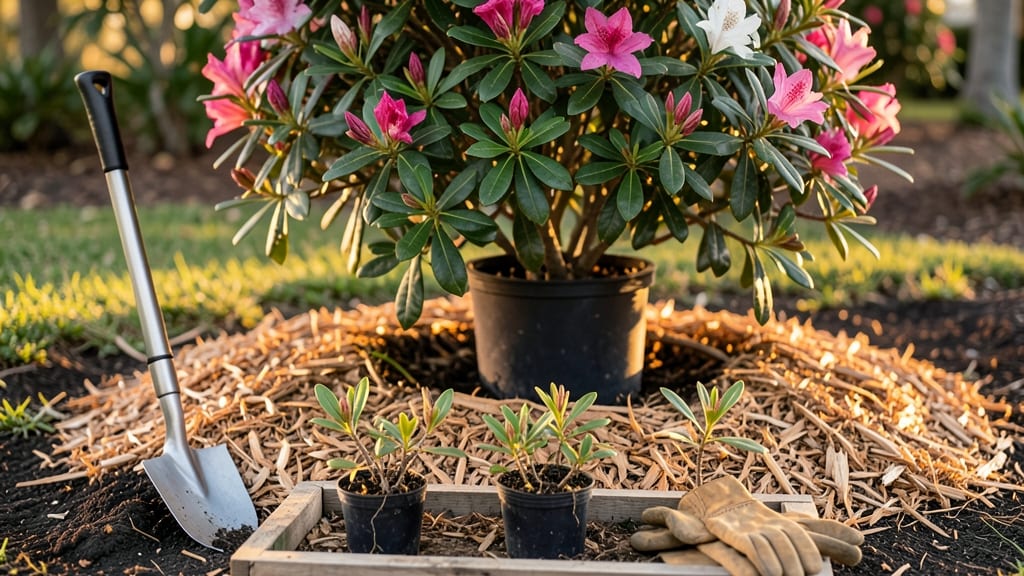
Planting azaleas in Florida isn’t just about grabbing a 🌸 and sticking it in the ground—it’s about matching your variety to the right chill hours for those showstopping spring blooms.
Unlike cooler climates, Florida’s subtropical zones mean timing is everything, and getting it wrong can leave you with stressed shrubs instead of vibrant displays.
If you’ve ever wondered why some azaleas thrive while others struggle, the answer lies in understanding Florida’s unique chill-hour requirements. The key is planting during the fall window (September–November) or early spring (February–March), when temperatures are cooler and the risk of transplant shock is lower.
This strategy ensures your azaleas get the dormancy period they need to bloom beautifully next season.
But here’s the catch: not all azaleas are created equal. Southern Indica varieties love Florida’s mild winters, while Kurume types need a little more chill.
I’ll break down which varieties work best in your specific zone—whether you’re in North Florida’s cooler pockets or the balmy South—so you can pick the perfect match for your garden.
Ready to transform your yard into a springtime spectacle? Let’s dive into the exact planting schedule, soil prep secrets, and care tips tailored for Florida’s humidity and heat. Your future blooms will thank you!
Best planting months for azaleas in Florida by chill-hour zones
Florida’s unique climate—with its humid subtropical conditions—means azaleas thrive when planted during cooler months. Unlike northern states, Florida’s chill-hour requirements (500–1,000 hours) vary dramatically from North to South.
Planting at the wrong time can lead to transplant shock or poor blooming, so timing is everything. Here’s how to match your county’s chill hours to the perfect planting window.
North Florida (e.g., Jacksonville, Gainesville, Tallahassee) averages 500–700 chill hours, while Central Florida (e.g., Orlando, Tampa) sees 300–500 hours, and South Florida (e.g., Miami, Fort Lauderdale) often gets less than 300 hours.
This means Southern Indica azaleas (which need 300–500 hours) are ideal for Central/South Florida, while Kurume or Exbury varieties (requiring 500–1,000 hours) suit North Florida better.
| Region | Chill Hours | Best Planting Months | Microclimate Tips |
|---|---|---|---|
| North Florida (Jacksonville, Gainesville) | 500–700 hours | October–November or February | Use mulch to extend chill; avoid summer planting. |
| Central Florida (Orlando, Tampa) | 300–500 hours | September–October or early March | Choose Southern Indica varieties; plant in partial shade. |
| South Florida (Miami, Fort Lauderdale) | 0–300 hours | August–September or January–February | Opt for heat-tolerant varieties; water deeply after planting. |
In North Florida, where chill hours are higher, fall planting (October–November) gives azaleas time to establish roots before winter. Early spring (February) is also ideal, as cooler temps reduce transplant shock.
For Central Florida, September–October is best—avoid late fall, as unpredictable freezes can occur in Zone 9a (e.g., Lake County).
South Florida’s lack of chill hours means Southern Indica azaleas are your best bet. Plant in late summer (August–September) to beat the peak heat or in January–February for a spring bloom. If you’re in Miami-Dade County, container planting with acidic potting mix is often more successful than in-ground.
Microclimates matter! Coastal areas (e.g., St. Augustine) may have warmer winters than inland spots like Ocala. Use 3–4 inches of mulch to protect roots and water deeply after planting to reduce stress. Morning watering prevents fungal issues in Florida’s humid air.
Avoid planting azaleas in summer (June–August)—the intense heat and drought stress can kill young plants. If you must plant in summer, shade cloth and daily watering are a must. Early fall is the safest bet for most of Florida, giving roots time to settle before winter rains arrive.
For container-grown azaleas, timing is less critical, but fall or early spring still works best. Use well-draining pots and acidic fertilizer (like 8-4-8 NPK) to mimic Florida’s sandy soils. Repot every 2–3 years to refresh nutrients.
Pro tip: If you’re in a warmer microclimate (e.g., Naples), try Kurume azaleas—they bloom earlier and tolerate milder winters. For cooler inland areas (e.g., Mount Dora), Exbury hybrids handle 500+ chill hours beautifully.
Remember: Azaleas need acidic soil (pH 4.5–6.0). Test your soil before planting—Florida’s limestone-based soils are often too alkaline. Amend with peat moss or sulfur to adjust pH. Mulch with pine bark to keep soil acidic and retain moisture.
With the right timing and care, your azaleas will reward you with vibrant spring blooms year after year—even in Florida’s heat! Start with the chill-hour chart above, then adjust for your specific microclimate for the best results. 🌸
How to match azalea varieties to Florida’s chill-hours for guaranteed blooms
Florida’s azaleas thrive when you match cultivar chill-hour needs to your local climate. Southern Indica varieties handle Florida’s 500-800 chill hours best, while Kurume types need 300-500 hours—critical for South Florida gardens. Choosing wrong can mean no blooms or stressed plants struggling in heat.
Transplant shock is real in Florida’s humidity—acclimate plants for 1-2 weeks before planting. Mulch heavily (3-4 inches) with pine bark or leaves to mimic natural forest floors and extend chill periods. This trick works especially well in Zone 10-11 where winters barely dip below 40°F.
| Variety | Chill Hours Needed | Best Florida Zones | Bloom Time | Mulch Tip |
|---|---|---|---|---|
| Southern Indica | 500-800 | North/Central (8a-9b) | Spring (March-May) | Pine bark mulch |
| Kurume | 300-500 | South/Central (9a-10a) | Winter-Spring (Jan-Apr) | Leaf mulch + shade cloth |
| Exbury | 200-400 | South (10a-11) | Fall-Winter (Oct-Dec) | Thick mulch + winter watering |
For North Florida gardens (like Jacksonville or Gainesville), Southern Indica varieties like 'Hilton' or 'Southern Charm' deliver bold spring blooms with 600+ chill hours. In Central Florida (Orlando area), Kurume types such as 'Girard's Pink' or 'Hino Crimson' thrive with 400-500 chill hours.
South Florida (Miami or Naples) gardeners should focus on Exbury hybrids like 'Otome' or 'Winter Beauty', which bloom in fall/winter and need only 200-400 chill hours. Container growing extends options—use black plastic pots to absorb heat and protect roots during summer.
After planting, water deeply (1-2 gallons per plant) and avoid overhead watering to prevent fungal diseases. Fertilize lightly in early fall with acid-loving plant food (8-4-8 NPK ratio) to boost root growth before winter. Prune after blooming to shape and encourage next year’s flowers.
With the right variety-chill-hour match and mulching strategy, your Florida azaleas will reward you with season-long color—even in the heat! 🌸🌿