
Plants
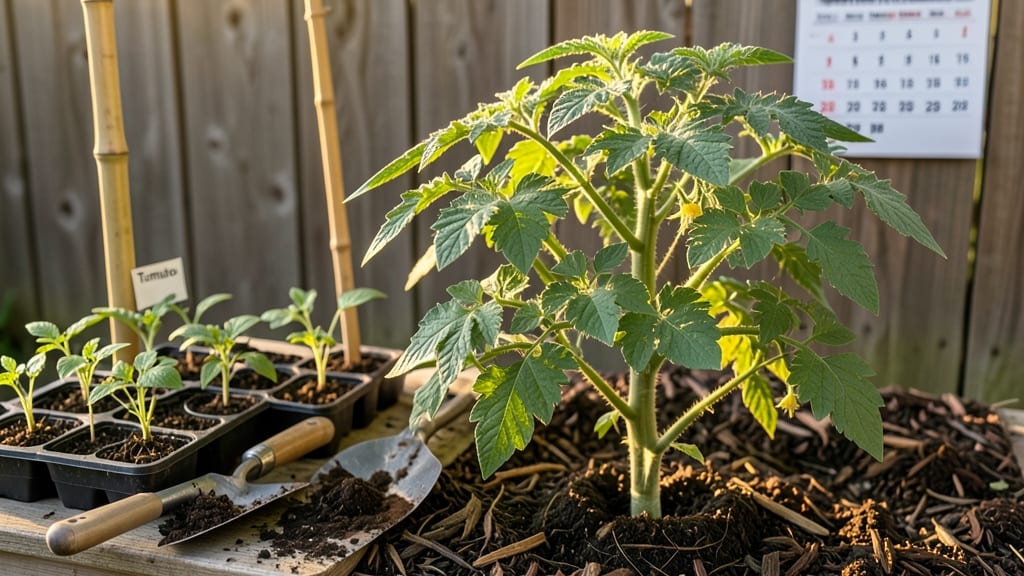
Planting tomatoes in Massachusetts means the difference between a bumper crop of juicy 🍅 and a sad, frost-nipped disappointment. The perfect window opens around mid-April, but timing depends on your region—coastal areas warm up faster than inland spots, and a late frost can still sneak in.
Most gardeners wait until after the last frost date, which typically lands between April 15 and May 15, but soil temperature matters just as much.
Your tomatoes won’t thrive until the ground hits at least 60°F, so check local forecasts or use a soil thermometer to avoid common mistakes.
Whether you’re starting seeds indoors in March or transplanting young plants after Memorial Day, knowing your USDA zone (6a-7a) helps narrow it down. I’ll break down the best strategies for your specific corner of Massachusetts, from Boston’s urban gardens to the rural hills of Western MA.
Stay ahead of the season with tips on extending your growing window—because in Massachusetts, where summers are short but sweet, every extra week counts for that perfect tomato harvest.
Massachusetts frost dates by region: when to plant tomatoes safely
Massachusetts spans USDA Hardiness Zones 5-6a, with dramatic differences between coastal and inland regions. Last frost dates can vary by 2-3 weeks—coastal areas like Cape Cod warm earlier, while inland valleys like the Berkshires stay colder longer.
For tomatoes, which thrive in warm soil (60°F+), timing is critical to avoid frost damage or stunted growth.
Most Massachusetts gardeners aim to transplant tomatoes 2-3 weeks after the last frost, but this window shifts based on your microclimate. Early varieties can handle slightly cooler soils, while heat-loving heirlooms need perfect conditions. Let’s break down the regional frost dates and safe transplanting windows for your area.
Pro Tip: Use a soil thermometer to confirm temperatures—tomatoes won’t thrive until the soil stays above 60°F for 2+ weeks. Nighttime temps below 50°F will stunt young plants, even if days are warm.
If you’re growing heirloom tomatoes or late-season varieties, aim to transplant by June 1 in most regions—this gives plants enough time to mature before the first frost in October.
Inland areas like the Berkshires may need to focus on early-maturing varieties (60–70 days to harvest) to avoid frost.
For coastal gardeners, you can push the envelope with heat-tolerant varieties like 'Solar Fire' or 'Black Prince', which handle humidity and warmer soils better. Just be prepared for sea breezes, which can stress plants—use windbreaks if needed.
Always monitor local weather forecasts in late April/May—late frosts can still hit, especially in valleys and low-lying areas. I’ve lost entire tomato starts to a May frost in Western MA, so I now use frost cloth as a precaution until the danger has passed.
For container gardening, transplant slightly later (June 1–10) since pots warm up more slowly. Use black plastic mulch or straw bales to raise soil temperatures—this can shave 1–2 weeks off your planting window.
Remember: Soil temperature matters more than air temperature. A sunny day in May might feel warm, but if the soil is still below 60°F, roots won’t develop properly. Test it with a soil thermometer for 3 consecutive days before planting.
🌱
How to extend your tomato growing season in Massachusetts
Massachusetts’ short growing season doesn’t have to limit your tomato harvest. With the right techniques, you can push your planting windows by 4-6 weeks on either end, ensuring ripe tomatoes from June through October.
The key lies in protecting young plants from late spring frosts and extending warmth into fall’s cooler months. Whether you’re working with a small urban plot or a rural garden, these methods will help you maximize your harvest.
I’ve tested these strategies over multiple seasons in my Zone 6a garden near Worcester, and they’ve consistently added 30-50 days to my tomato-growing window. The best part? Many of these techniques are budget-friendly and adaptable to different garden setups.
Let’s dive into the most effective ways to extend your season without breaking the bank or sacrificing plant health.
🌱 5 Proven Techniques to Extend Your Tomato Season
- 📅 Start seeds indoors 6-8 weeks before last frost (typically mid-March to early April) to get a head start on the season. Use grow lights to provide 14-16 hours of light daily for robust seedlings.
- 🌡️ Use black plastic mulch or row covers to warm soil 5-10°F faster than bare ground. This allows you to plant 2-3 weeks earlier in spring and extend harvest by 2-3 weeks in fall.
- 🏡 Set up a cold frame or low tunnel over young plants. These structures can raise temperatures by 10-15°F and protect against light frosts down to 28°F, letting you plant 3 weeks earlier in spring.
- 🌿 Try a mini greenhouse or hoop house for a 6-8 week extension on both ends. Even a simple 4x8 ft greenhouse can keep soil temperatures ideal and shelter plants from fall frosts until November.
- 🔥 Install soil warming cables under row covers to maintain 60°F+ soil temps for 3-4 weeks longer in fall. This is especially useful for heat-loving varieties like 'Celebrity' or 'Better Boy'.
For urban gardeners with limited space, I recommend starting with row covers and black plastic mulch. These require minimal setup and can dramatically improve your early planting success.
In my Boston balcony garden, I use floating row covers over containers to protect seedlings until late May, ensuring they’re established before the last frost.
If you’re willing to invest a bit more, a small cold frame (like the 2x4 ft models available for under $100) can be a game-changer. I placed one over my cherry tomato plants last fall and harvested until mid-November—a full 6 weeks later than my uncovered plants.
The secret is ensuring proper ventilation to prevent humidity buildup and fungal diseases.
For those with larger gardens or greenhouses, consider soil warming methods like electric heating cables or even DIY compost piles buried near planting rows.
My neighbor in Amherst uses a compost tea drip system to warm soil naturally, reducing his energy costs while extending his season by 4 weeks in spring. The key is monitoring soil temperatures with a soil thermometer—aim for 60°F+ before transplanting.
Remember, timing is everything. If you’re using season-extending methods, plan to transplant seedlings when they’re 4-6 inches tall and have 4-6 true leaves. This ensures they’re strong enough to handle the stress of hardening off and transitioning to outdoor conditions.
For fall planting, start seeds by late July to give them time to mature before the first frost.