
Plants
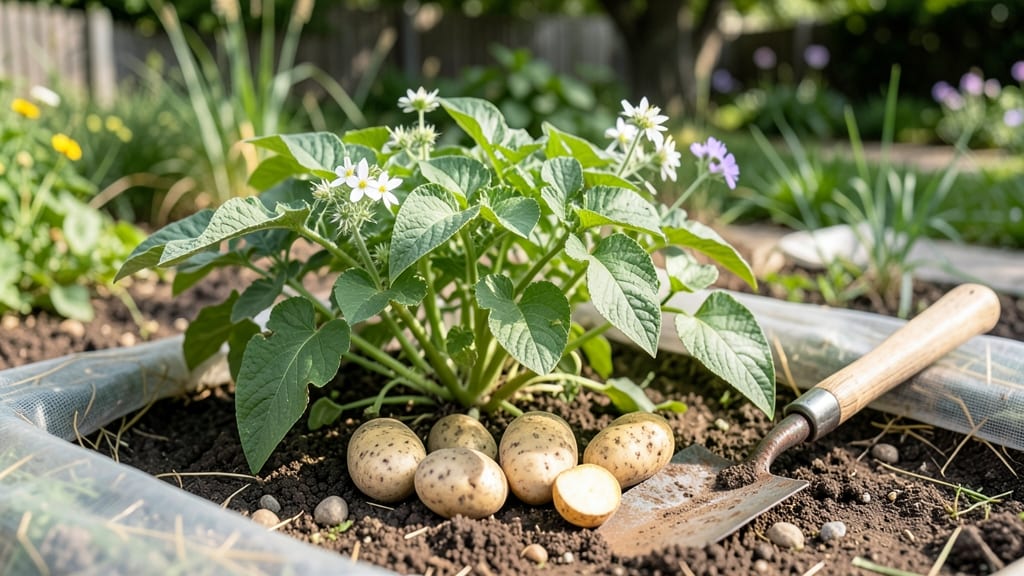
Planting potatoes in North Carolina isn't a one-size-fits-all task—get the timing wrong, and you might end up with stunted 🥔 or even worse, a total flop.
The key lies in understanding your specific USDA zone, whether you're in the cooler mountains or warmer coastal plains, because those 2-3 month windows for planting can shift dramatically.
For most of North Carolina's 7a-8b zones, the sweet spot arrives between February and April for early varieties, while late varieties can go in as late as May.
But here's the catch: planting too early when soil temps are still chilly can delay growth, while waiting too long risks running out of the growing season before harvest. I'll break down exactly when to plant in your corner of the state.
Whether you're a first-time gardener or a seasoned grower, knowing these dates means the difference between a bountiful harvest and wasted effort. We'll cover everything from soil prep to choosing the right varieties for your region, so you can confidently dig in when the time is perfect.
Ready to grow those crisp, homegrown potatoes? Let's get you planted at the ideal moment so you can enjoy fresh 🥔 from your garden all summer long.
NC potato planting dates by USDA heat Zone (exact months & weeks)
North Carolina’s 8 USDA heat zones create wildly different potato planting windows—from Coastal Plain’s mild winters to Mountain regions’ late frosts. Getting your timing right means avoiding frost damage or overly hot soil that stunts growth.
Let’s break down the exact weeks to plant in each zone, including early vs. late varieties and frost risk thresholds.
For Zone 5a (Mountains), like Waynesville, your last frost date often lands in late May, so you’ll need to plant early varieties as soon as soil warms to 45°F—usually mid-April.
Meanwhile, Zone 8a (Coastal Plain), such as Wilmington, can plant late varieties until early May without frost worries.
Here’s the comparison-table with exact planting windows, frost risks, and recommended varieties for each NC zone:
Notice how Zone 8
Best potato varieties for NC climates & their ideal planting times
North Carolina’s three distinct climate zones—Coastal Plain, Piedmont, and Mountains—require different potato varieties for optimal yields. The Piedmont region (USDA Zones 7a-7b) thrives with Yukon Gold and Red LaSoda, while mountain zones (5b-7a) favor early-maturing varieties like Kennebec to avoid late-season frosts.
Coastal areas (Zone 8a) can extend planting into late March thanks to milder winters.
Your planting window hinges on soil temperature (45°F minimum) and last frost dates. In the Piedmont, aim for mid-February to early April, while mountain gardeners should start 4-6 weeks earlier (late January) to beat spring freezes. Coastal gardeners enjoy a 2-week later start due to warmer soils.
Variety selection directly impacts harvest timing and yield potential. For example, Yukon Gold (100-110 days to maturity) thrives in Piedmont’s longer growing season, while Red LaSoda (90 days) suits shorter mountain seasons. Each variety also has specific disease resistance—critical for NC’s humid summers.
| Variety | Best NC Region | Planting Window | Days to Maturity | Yield (lbs/10ft row) | Key Notes |
|---|---|---|---|---|---|
| Yukon Gold | Piedmont (Zones 7a-7b) | Feb 15 - Mar 15 | 100-110 days | 25-35 lbs | Buttery texture; plant in well-drained soil |
| Red LaSoda | Mountains (Zones 5b-7a) | Jan 20 - Feb 20 | 90-100 days | 20-30 lbs | Early maturity; resistant to scab |
| Kennebec | All Regions | Feb 1 - Mar 15 | 80-90 days | 30-40 lbs | Classic baking potato; needs staking |
| Adirondack Blue | Coastal (Zone 8a) | Mar 1 - Apr 1 | 100-120 days | 15-25 lbs | Heirloom; plant in partial shade |
| Sweetheart | Piedmont/Mountains | Feb 10 - Mar 10 | 70-80 days | 10-15 lbs | New potatoes; great for containers |
For container gardening, prioritize compact varieties like Sweetheart (ideal for 5-gallon buckets) or Red LaSoda. These thrive in well-draining mixes with 2-3 hours of afternoon shade to prevent overheating. Mountain gardeners should mulch heavily (straw or leaves) to protect tubers from temperature swings.
Harvest timing varies by maturity type: early varieties (70-90 days) like Sweetheart can be dug in late May-June, while late varieties (100+ days) like Yukon Gold peak in July-August. Use a fork to loosen soil gently—never pull plants—to avoid damaging tubers.
Pro tip: Chit your seed potatoes (pre-sprout in sunlight) 4-6 weeks before planting to jumpstart growth. This cuts 10-14 days off your time to harvest, critical for NC’s short mountain seasons. Store extra seed potatoes in a cool, dark place (40-50°F) until ready to plant.